
REVIEW · SARAJEVO SIEGE HISTORY TOURS
Sarajevo Under Siege: A City’s Struggle & Survival Tour
Sarajevo tells its war story in street corners. I love how the tour connects the big facts of the 1992 to 1995 siege to the actual geography of the city, and I love the chance to see the War Tunnel and Sarajevo Roses symbolism up close. A heads-up: the subject is emotionally tough, and you’ll spend time outside between stops.
The pacing feels designed for first-timers. You meet at Toureedoo – Sarajevo City Tours (S.H., Muvekita 7) at 10:30 am, move between key sites with transportation included, and travel in a small group of up to 10. Guides like Safet and Adnan come with real personality, and they explain the story clearly without turning it into a lecture.
In This Review
- Key Highlights You Should Expect
- Why This Tour Feels Essential in Sarajevo
- Where You Start: Toureedoo Meeting and a Smooth First Minutes
- Yellow Fortress: Your Fast Intro to Siege Geography
- Sniper Alley: Why a Street Name Matters
- Asim Ferhatovic Hase Stadium: Olympics, Then Ruins and Reality
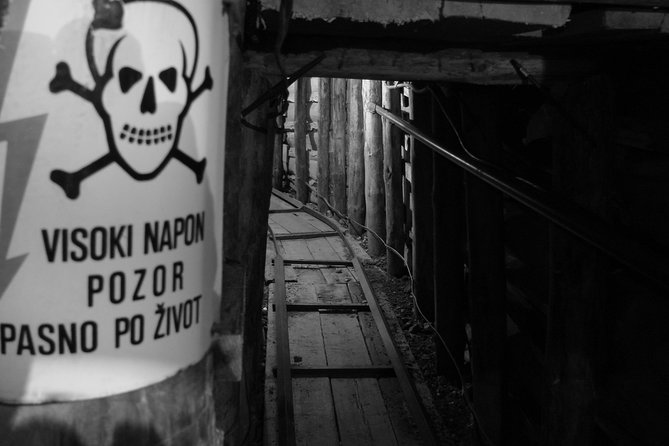
- Sarajevo War Tunnel Museum: The Stop You’ll Remember
- Jewish Cemetery Sarajevo: Memory, Community, and Survival
- Sarajevo Roses: Symbols That Explain What Words Can’t
- Dayton Peace Accords and Life Today in Bosnia and Herzegovina
- Price and Value: Is $45.38 Worth It?
- Who This Tour Suits Best
- Tips to Get the Most Out of the Tour
- Should You Book Sarajevo Under Siege?
- FAQ
- How long is the Sarajevo Under Siege tour?
- What is the price per person?
- What is included in the tour price?
- What is not included?
- Where does the tour start and what time?
- How large is the group?
- Is there free cancellation?
Key Highlights You Should Expect
- A siege map you can actually visualize, from viewpoints to street-level danger points
- War Tunnel museum time that explains how survival worked, not just what happened
- Yellow Fortress as your fast introduction, with city views that make the siege make sense
- Sniper Alley in context, so the name lands with weight
- Jewish Cemetery Sarajevo’s role in the siege story, tied to community life
- Clear wrap-up on Dayton peace accords and life today, so you leave with more than sadness
Further siege history tours in Sarajevo
- Fall of Yugoslavia, Sarajevo War Tour with Tunnel of Hope Museum and Frontlines
★ 5.0 · 1,314 reviews - ROSES OF SARAJEVO (Official WAR + CITY tour)- Story of a Survivor
★ 5.0 · 770 reviews - Tunnel Museum: Bosnian & Yugoslav Wars Tour with War Veteran
★ 5.0 · 551 reviews - Sarajevo War Tour: A Veteran’s Story of the Siege (fees included)
★ 5.0 · 326 reviews
Why This Tour Feels Essential in Sarajevo
If you only visit Sarajevo for its cafes and architecture, you miss a big piece of why the city still feels intense. This tour turns the siege of Sarajevo (1992 to 1995) into a route you can follow with your eyes. That matters, because the siege wasn’t abstract. It was people trying to live inside a city that kept changing around them.
I like that the tour doesn’t just focus on tragedy. It also talks through the causes of Yugoslavia’s breakup, why Bosnia got labeled as a small Yugoslavia, and how independence came with a brutal cost. You get the sense of how political decisions and ethnic fault lines played out on daily life, then you move forward to how peace was negotiated with the Dayton accords.
At 3 hours and 30 minutes, it’s not long. That’s a plus when you’re on a tight schedule. It also means you should come with a bit of curiosity and an open mind. Expect facts, but also expect the guide to connect those facts to real places you’ll stand in.
Where You Start: Toureedoo Meeting and a Smooth First Minutes
You begin in front of the Toureedoo office at S.H., Muvekita 7 in Sarajevo, right by the place your guide will use as the hub for the tour. That’s a small detail, but it reduces that first-day chaos. You don’t have to figure out a confusing meeting place and hope it’s the right one.
From the start, the tour sets a practical tone. Transportation is included, and that helps because many of the siege-related sites are spread out enough that you’d burn time bouncing around on your own. Since the tour duration is about 3 hours and 30 minutes, every transfer counts.
There’s also a small-group format, with a maximum of 10 travelers. That usually means questions get answered, and you can get back on track when something clicks late, like how multiple parts of the siege story connect.
Yellow Fortress: Your Fast Intro to Siege Geography
The first real stop that hits you visually is the Yellow Fortress. It’s the kind of location where the view does half the teaching. From up there, you can understand why certain areas mattered and how a city’s layout changes the way danger moves.
This is where the tour gives you the foundations. The guide uses the vantage point to explain the siege of Sarajevo and to set the background you’ll need for the more intense stops that come next. It’s one of those “get your bearings fast” moments. If you ever feel lost on a first Sarajevo walk, this kind of start helps a lot.
One thing I appreciate: the stop is short. About 15 minutes. You get the orientation without getting stuck in one place. The trade-off is that you won’t linger for endless photos. You’re there to understand, then move on.
Practical note: fortress viewpoints can be exposed depending on weather. Wear layers and plan for wind or sun.
Sniper Alley: Why a Street Name Matters
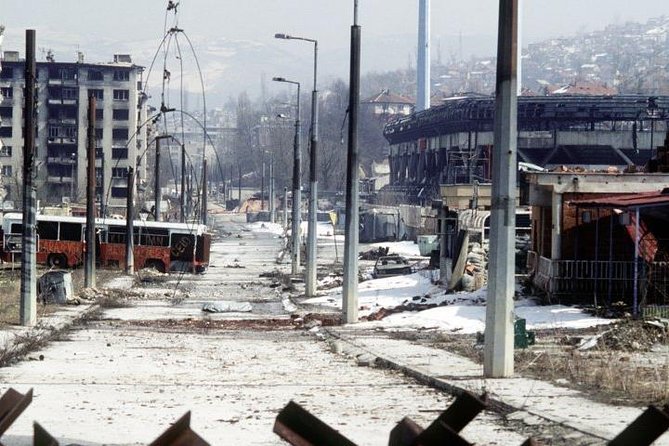
Then you shift from viewpoints to streets, and the tour turns heavier. The Sniper Alley stop is brief in time, but it carries a message. During the siege, this was one of the most dangerous street areas in Sarajevo. Standing there with the explanation in your ears makes the name stop being a dramatic label and become something real.
This part of the tour is valuable because it translates siege warfare into daily movement. It answers the question you should be asking: what happens when even ordinary walking routes become life-or-death decisions?
A possible drawback here is emotional. This isn’t the kind of site where you “just see it.” You’ll likely feel the weight, especially if you’re sensitive to war stories. I’d treat this stop like a moment to slow down mentally, not a quick photo stop.
Other Bosnian city outings
Asim Ferhatovic Hase Stadium: Olympics, Then Ruins and Reality
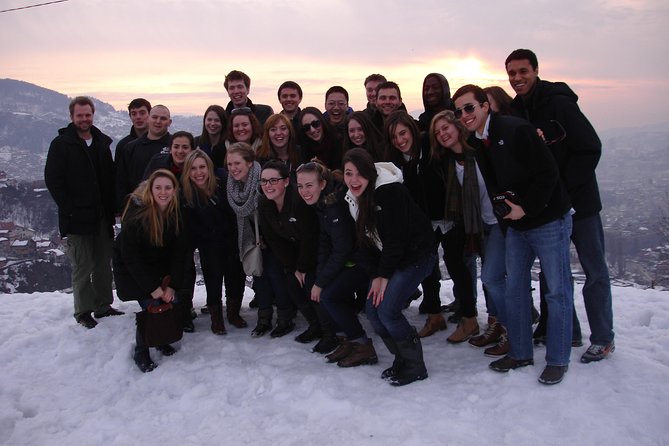
After the street-level danger, you move to Asim Ferhatovic Hase Stadium. This stop gives the story an important angle. It’s not only about survival and fear. It also touches on the Sarajevo Olympics and what happened at this famous stadium during the opening ceremony.
That juxtaposition matters. War doesn’t arrive in a single moment and destroy everything instantly. It interrupts planned life, breaks the normal calendar, and changes what a city can dream about. Seeing the stadium in the siege narrative helps you understand the cultural shock.
The time at this stop is about 15 minutes, so you get enough context to connect the stadium to the broader story without turning the day into a sports history tour. If you like stadiums and ceremonies, you’ll probably enjoy this part extra. If not, treat it as a necessary emotional counterweight to the harder sites.
Sarajevo War Tunnel Museum: The Stop You’ll Remember
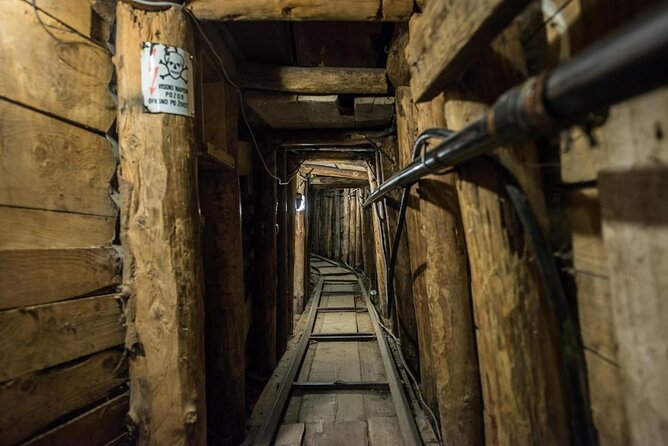
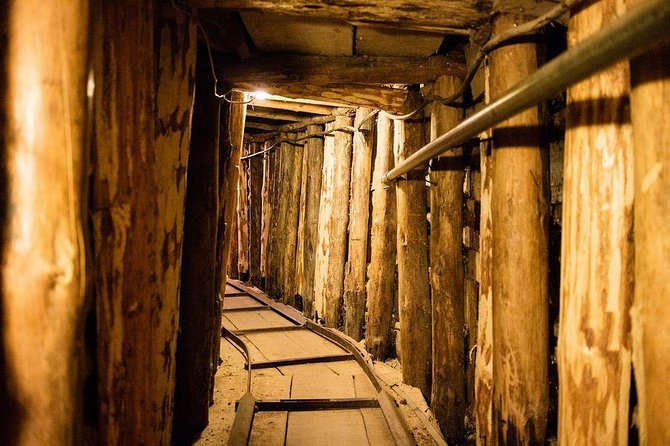
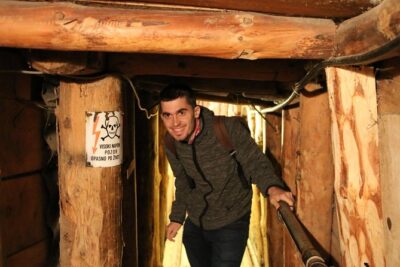
The War Tunnel is the heart of this tour. It’s dug under the airport during the Bosnian War and served as the only connection with the rest of the world. That sentence alone tells you why the tunnel is so central to the Sarajevo siege story.
Here you get around 50 minutes, with the entrance fee included. The longer museum time helps because the tunnel idea needs more than a quick overview. You’ll have time to process what it meant to use a hidden route for contact, supplies, and lifelines.
This is also where the tour’s themes start to click in a different way. Earlier stops explain the siege with geography and danger. The tunnel stop explains the siege with ingenuity and survival. It’s a shift from “where you could be hurt” to “how people kept going.”
One practical tip: museums can mean tighter indoor spaces and cooler temperatures than you expect if you came from bright daylight. If you run cold, bring a light layer.
Jewish Cemetery Sarajevo: Memory, Community, and Survival
The tour finishes with Jewish Cemetery Sarajevo, where the guide explains the role of the cemetery during the siege. This is about more than one group’s experience. It’s about how communities held on to identity, ritual, and remembrance when everything else got disrupted.
Time here is short, about 15 minutes. That can feel quick, but it also helps keep the day from becoming emotionally overwhelming. The value is in the context you’re given, so the cemetery doesn’t feel like a standalone stop. It becomes part of the wider picture of how life continued, even when life was under pressure.
If cemeteries are hard for you personally, consider this a “prepare your mind” moment before you arrive. You don’t need to force yourself to love the experience, but you do want to approach it respectfully.
Sarajevo Roses: Symbols That Explain What Words Can’t
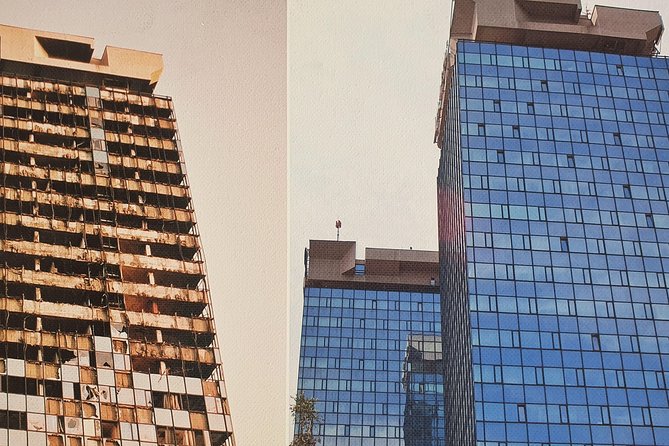
Part of what this tour promises is the symbolism of the Sarajevo Roses. You’ll learn and see how this symbol fits into the wider siege narrative.
Symbols are useful because they compress complex emotion into something you can carry with you. Instead of only hearing about hardship, you connect to a visual reminder of resistance, care, and humanity under stress. You’ll likely leave with the feeling that the siege story is not only about conflict, it’s also about how people refused to become only victims.
I like that the tour includes this. A tour without symbols can become an accident of dates and places. A tour with them gives you a memory anchor.
Dayton Peace Accords and Life Today in Bosnia and Herzegovina
One of the tour’s final goals is to explain the complexity of the Dayton peace accords. That’s important because peace agreements can sound simple in headlines, but they’re complicated in practice. The tour frames them as a negotiation shaped by the realities of the time.
Then you get a look at what life is like today in Bosnia and Herzegovina. That matters because a siege tour that stops at the war can leave you stuck in tragedy. Here, the ending pushes you to think about continuity. Sarajevo kept living, even after the siege ended.
This is also where guided conversation helps. If you ask questions, the guide can connect the political story to what you saw on the ground.
Price and Value: Is $45.38 Worth It?
At $45.38 per person for about 3.5 hours, the price is very reasonable for what you’re getting. Here’s the value logic I’d use as a buyer:
- Transportation included, which saves your energy and time
- Tour guide included, and the guide is central to understanding what you’re seeing
- Entrance fee included for the War Tunnel museum
- Several city stops are marked as free admission tickets, so you’re not paying repeatedly just to enter viewpoints or sites
- Mobile ticket is used, which keeps day-of hassle low
The biggest thing not included is meals. That’s normal for a short city tour. If you’re planning lunch afterward, I’d eat after the tour, not before. You’ll likely want a calm meal after a heavy set of stories.
Would you do it on your own? You could, but you’d likely miss the connecting tissue. The value is the way the guide links the breakup of Yugoslavia, the siege, the tunnel, the symbolism, and the peace process into one readable path.
Who This Tour Suits Best
This is a strong match if you want:
- A first-time Sarajevo orientation that goes beyond postcard sights
- A guided explanation of the Siege of Sarajevo that uses real locations
- Time at the War Tunnel, with enough length to actually absorb it
- A route built for understanding, not just checking boxes
It may be less ideal if:
- You strongly prefer light, entertainment-style tours
- You don’t like walking outdoors or standing at viewpoints for short stretches
- You want long, slow time at each site instead of a focused timeline
For many people, the best strategy is to treat this as a morning or early-day activity. Start at 10:30 am, walk it through, then later in the day enjoy the calmer side of Sarajevo.
Tips to Get the Most Out of the Tour
A few practical moves make the experience better:
- Bring water and a snack for later. Meals aren’t included.
- Wear comfortable shoes. You’ll be moving through city stops.
- If you’re sensitive to war stories, prepare yourself mentally for Sniper Alley and the tunnel museum.
- Bring your questions. This tour works best when you talk with your guide, like the clearly helpful energy shown by guides such as Safet and Adnan.
Also, keep a simple mindset: you’re not just collecting facts. You’re learning how a city functioned under siege pressure.
Should You Book Sarajevo Under Siege?
I’d recommend booking if you want a meaningful Sarajevo visit in a limited time window. This tour does a lot of heavy lifting in 3.5 hours, especially with War Tunnel museum time and the way it frames the siege with both historical background and the peace aftermath.
Book it if you like guided context, thoughtful pacing, and a route that helps you understand how danger and survival shaped everyday movement. Skip it only if the emotional weight is a dealbreaker for you, or if you’d rather keep your Sarajevo day purely upbeat.
If you’re on the fence, think of it this way: in Sarajevo, the war story isn’t a side topic. It’s part of how the city makes sense.
FAQ
How long is the Sarajevo Under Siege tour?
It runs for about 3 hours 30 minutes.
What is the price per person?
The price is $45.38 per person.
What is included in the tour price?
Included: transportation, tour guide, and entrance fees.
What is not included?
Meals are not included.
Where does the tour start and what time?
The tour starts at Toureedoo – Sarajevo City Tours at S.H., Muvekita 7, Sarajevo 71000. The start time is 10:30 am.
How large is the group?
The tour has a maximum of 10 travelers.
Is there free cancellation?
Yes. You can cancel up to 24 hours in advance for a full refund.
More Tours Across Bosnia
The Full Bosnia Review Shelf
Sarajevo Siege History, Further Tours
Recently added to the Bosnia and Herzegovina shelf
- Walking Tour in Sarajevo★ 5.0 · 3 reviews
- Travnik, Jajce, Pliva Lakes & Mills –Medieval & Ottoman Bosnia Full Day Tour★ 5.0 · 3 reviews
- Tour of Herzegovina – From Sarajevo★ 5.0 · 3 reviews
- The Siege of Sarajevo Tour★ 5.0 · 3 reviews
- Srebrenica Genocide Tour from Sarajevo★ 4.5 · 3 reviews
- Sarajevo to Zagreb: One-Way Tour via Jajce, Travnik, Pliva Lake and Watermills★ 5.0 · 3 reviews
Sarajevo Siege History Tours, compared.
 ★ 5.0Fall of Yugoslavia, Sarajevo War Tour with Tunnel of Hope Museum and FrontlinesFrom $361,314 reviews
 ★ 5.0ROSES OF SARAJEVO (Official WAR + CITY tour)- Story of a SurvivorFrom $53770 reviews
 ★ 5.0Tunnel Museum: Bosnian & Yugoslav Wars Tour with War VeteranFrom $36551 reviews
 ★ 5.0Sarajevo War Tour: A Veteran’s Story of the Siege (fees included)From $48326 reviews
 ★ 5.0Sarajevo 1425 days under the siege – War TourFrom $48170 reviews
 ★ 5.0Tunnel of Hope Tour – Survival and ResilienceFrom $25118 reviews
 ★ 5.0Sarajevo Grand Tour: Old Town, War Tunnel, Olympic Sites & MoreFrom $4773 reviews
 ★ 5.0War Times Experience in Sarajevo – Half Day TourFrom $3561 reviews
Browse the lists this tour appears in