
REVIEW · SARAJEVO SIEGE HISTORY TOURS
Tunnel of Hope Tour – Survival and Resilience
Two hours to see Sarajevo’s siege up close. This Tunnel of Hope tour mixes a city drive past shell-hit landmarks with a walk through Sniper Alley, then drops you into the underground lifeline that helped Sarajevo survive.
I love how the guide connects big sites to real daily pressure, from scarce food and water to the tunnel’s role in getting help in during 1992 to 1995. The one drawback: the Tunnel of Hope Museum ticket is extra, and the tunnel experience can feel tight and dim, even with the accessible replica sections.
In This Review
- What You Actually Get From the Tunnel of Hope Tour
- Key Tour Highlights Worth Planning For
- Start at Zelenih beretki 30, Then Get Pulled Into the Story
- The City Drive Stops: Markets, Government Seats, and the War Route
- Sniper Alley and the Buildings That Took Shelling
- What I’d consider as a drawback
- Panoramic Overlook, Siege Timeline, and What Life Was Like
- Tunnel of Hope Museum: How the Underground Passage Worked
- Original tunnel access vs replica
- Price and Value: $25.40 Plus Museum Tickets
- Group Size, Timing, and Why the Route Matters
- What to Bring, What to Expect Walking Into the Past
- Who This Tour Is For (and Who Should Skip It)
- Should You Book the Tunnel of Hope Tour?
- FAQ
- Is the Tunnel of Hope Museum ticket included?
- How long is the Tunnel of Hope Tour?
- What language is the tour offered in?
- How big is the group?
- Where does the tour start?
- Does the tour include transportation?
- What sites do you visit besides the tunnel museum?
- Does the tour require good weather?
- Can I get a full refund if I cancel?
What You Actually Get From the Tunnel of Hope Tour
This is built for people who want context fast, without spending half a day. You get transportation, a licensed guide, and a structured route through Sarajevo’s war geography. Then you spend focused time at the Tunnel of Hope Museum to understand how the tunnel worked, why it mattered, and what the outside world knew.
Guides often share first-hand perspective. In the reviews, I saw names like Yasif, Jernej, Safet, Haris, and Nermin, and the common thread is storytelling that feels personal, not just recited. That matters here, because the history is heavy and your brain needs a clear thread to follow.
Further siege history tours in Sarajevo
- Fall of Yugoslavia, Sarajevo War Tour with Tunnel of Hope Museum and Frontlines
★ 5.0 · 1,314 reviews - ROSES OF SARAJEVO (Official WAR + CITY tour)- Story of a Survivor
★ 5.0 · 770 reviews - Tunnel Museum: Bosnian & Yugoslav Wars Tour with War Veteran
★ 5.0 · 551 reviews - Sarajevo War Tour: A Veteran’s Story of the Siege (fees included)
★ 5.0 · 326 reviews
Key Tour Highlights Worth Planning For
- Small group cap (max 20) keeps the van ride and Q&A human-sized.
- Drive and walk the siege-era route, including a walk through Sniper Alley.
- Tunnel of Hope Museum time (about 1h15) plus a video on UN intervention.
- A full siege snapshot, with stops tied to daily survival, shelling, and loss.
- Replica tunnel access is part of the experience, since original access can be limited for safety.
- English offered and the tour uses a mobile ticket, so you can travel light.
Start at Zelenih beretki 30, Then Get Pulled Into the Story
The tour begins back at a centrally located meeting point: Sarajevo Insider – City Tours and Excursions, Zelenih beretki 30. It’s near public transportation, so it’s easier to stitch into a Sarajevo plan without adding extra taxi time.
Once you’re sorted into the small group, you’ll ride through the city with your guide pointing out places that shaped daily life during the siege. This is one of the best ways to understand Sarajevo, because the city is still layered, and the buildings help you read the past in place.
The City Drive Stops: Markets, Government Seats, and the War Route
A big part of the value here is that you do not only hear about the tunnel. You also travel through the neighborhoods and landmarks that were caught in the siege rhythm.
You’ll pass Markale City Market, which the route frames as a key wartime setting. You’ll also pass Trg Djece Sarajeva, a square strongly associated with Sarajevo’s endurance. Then you head toward the Presidency Building area, a historic seat of Bosnia and Herzegovina’s presidency that carried real wartime weight.
As you move around, your guide will connect the dots between politics, communication, and what people could realistically control. Reviews repeatedly mention guides who are patient with questions and willing to explain the background, including the Yugoslavia breakup context.
Sniper Alley and the Buildings That Took Shelling
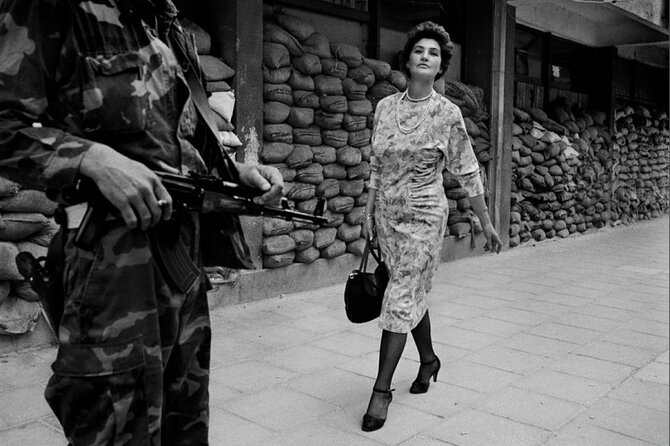
The tour’s tone shifts when you reach the area tied to the most dangerous street in Sarajevo during the 1990s: Sniper Alley. You’ll drive through this stretch, then you’ll walk through it as part of your route.
This is not a sightseeing stroll. It’s more like an outdoor classroom where you look at the street layout and your guide makes you understand what that positioning meant for civilians. The walk also helps you grasp why Sarajevo became a city of routines under threat, not just a battlefield in the distance.
On the drive and around the route, you’ll see landmark clusters linked to heavy shelling. Expect stops or pass-bys connected to City Hall and the National Library of Bosnia and Herzegovina, plus other central landmarks like the National Museum and Skenderija Market. You may also pass Zetra Olympic Hall.

What I’d consider as a drawback
This portion is emotionally tense because it forces you to picture danger in the everyday setting. If you prefer your history lighter, this tour may feel like a lot in one go.
Panoramic Overlook, Siege Timeline, and What Life Was Like
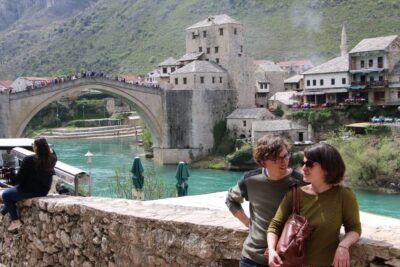
Before the day turns underground, you get a larger-picture briefing. The tour includes an overview of Sarajevo from a panoramic overlook and a clear foundation on the Siege of Sarajevo, which lasted from 1992 to 1995.
The guide focuses on daily survival, not just military facts. You’ll hear how residents coped with scarce food, water, electricity, and gas, and how the city functioned while under sustained threat. For me, this pacing works, because it gives you meaning before you face the tunnel mechanics.
You’ll also visit a cemetery where victims of the war are buried. That stop is a reminder that the story is personal, not abstract. It’s also a natural place for the tour to slow down, so you can process what you’re learning.
Tunnel of Hope Museum: How the Underground Passage Worked
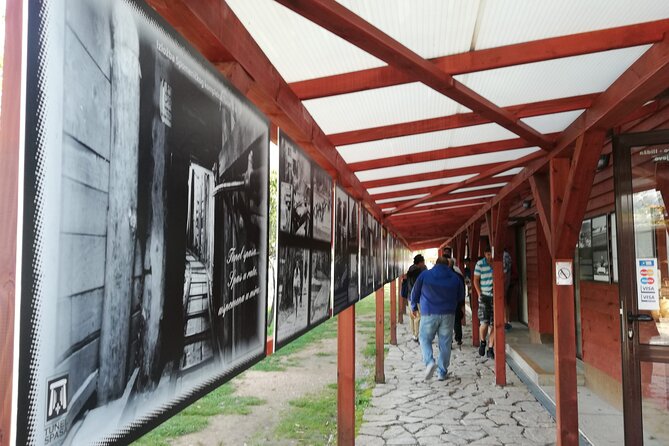
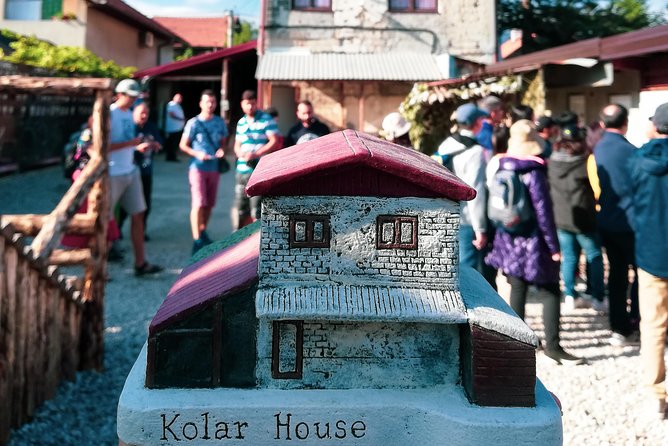
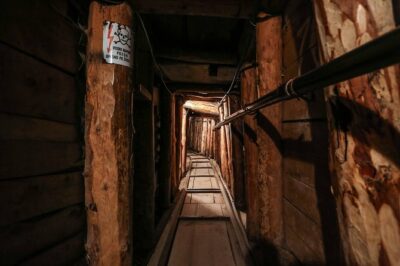
This is the heart of the day. After your city route, you’ll head to the Sarajevo War Tunnel and the Tunnel of Hope Museum for about 1 hour and 15 minutes.
Admission to the museum is not included in the tour price. Adult ticket cost is 20 BAM (about 10.50 euros) and students are 8 BAM (about 4.50 euros). You pay this on your own at the museum when you arrive, then the guide keeps you moving through the key exhibits.
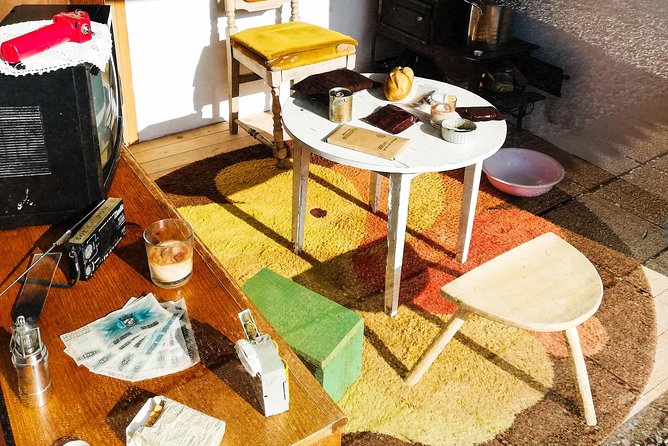
The museum’s job is to connect the tunnel to the siege reality. Expect exhibits about the tunnel’s construction and purpose, plus a video about UN intervention during the Siege of Sarajevo. That UN element is important, because it helps explain why information, timing, and detection mattered so much.
Original tunnel access vs replica
A practical detail: original tunnel access can be limited for security and safety reasons. In the experience described in reviews, you may instead walk a reconstructed or replica section that recreates the feeling, with a less claustrophobic size than the original. One review notes a descent of about 25 metres of the original tunnel and then around 100 metres of replica tunnel.
So yes, you get the physical sense of being underground, without needing to fight your way through a fully restricted, ultra-narrow passage.
Price and Value: $25.40 Plus Museum Tickets
The tour price is $25.40 per person, and it includes transportation and a licensed guide. That already puts it in the category of good value for a 2 hours 30 minutes experience, especially if you consider how much ground you cover across central Sarajevo.
But here’s the math you should do before booking: the Tunnel of Hope Museum ticket is extra. Plan for 20 BAM for adults (and 8 BAM for students). Even with that add-on, the tour usually still makes sense if you want a guided, context-rich tunnel visit without hiring a private driver.
In practical terms, you are paying for two things:
- A guide who explains the siege and points out what to notice in the city
- Time structure, so you are not wandering from place to place with incomplete context
If you’re the type who likes to read signs and figure out meaning later, you can self-tour. If you want the story told clearly in real time, this is a strong deal.
Group Size, Timing, and Why the Route Matters
This tour has a maximum of 20 travelers. That matters more than you might think. A smaller group means your guide can answer questions without rushing, which is especially valuable here because people want to ask very specific things about the siege and what happened at particular buildings.
The tour duration is listed at about 2 hours 30 minutes. Some reviews mention the experience running longer than expected, which usually happens when the guide spends time answering questions or when your group keeps moving at a comfortable pace.
This also makes the tour a good fit for a short Sarajevo trip. You get the tunnel museum and the key war landmarks without needing a full day excursion.
What to Bring, What to Expect Walking Into the Past
You will do some walking, including the Sniper Alley area and paths connected to war tunnels. Wear comfortable shoes. Bring a layer. Underground spaces and museum rooms can feel cooler than the street.
Also, bring the right mindset. This is an educational tour about survival and resilience, and it can get emotional. The guides in the reviews were frank and honest, including people who lived through the siege as children or served as police or soldiers. That first-hand perspective makes the stories land hard.
Finally, note the weather requirement. The tour requires good weather, so if Sarajevo is rainy, you may need to plan an alternate day.
Who This Tour Is For (and Who Should Skip It)
This fits you if you:
- Want a guided, high-context look at the Siege of Sarajevo in a short time
- Like your history explained by people who can answer questions directly
- Prefer seeing war landmarks in context, rather than only reading about them
It might not fit you if you:
- Get overwhelmed by heavy topics and prefer a lighter day
- Want a purely scenic tour with minimal emotional weight
- Are hoping for a mostly hands-off museum-only visit, because the route includes active street walking and city-site interpretation
Should You Book the Tunnel of Hope Tour?
I think you should book it if you care about understanding Sarajevo beyond photos. The combination of a city drive through the siege geography and a focused Tunnel of Hope Museum visit gives you a clear framework: why people were trapped, how they survived, and how Sarajevo’s resilience kept moving forward.
If you are on a tight schedule, the timing is another plus. And if you can handle emotional history, the guides often bring real personal perspective, with names like Nermin, Safet, Yasif, Jernej, and Haris showing up in reviews.
Just go in knowing the museum ticket is extra and that the underground portion is a real physical experience, even with replica access.
FAQ
Is the Tunnel of Hope Museum ticket included?
No. Tunnel of Hope Museum admission is not included. Adult ticket cost is 20 BAM (about 10.50 euros) and student ticket cost is 8 BAM (about 4.50 euros).
How long is the Tunnel of Hope Tour?
The tour is about 2 hours 30 minutes, including around 1 hour 15 minutes at the Tunnel of Hope Museum.
What language is the tour offered in?
The tour is offered in English.
How big is the group?
The maximum group size is 20 travelers.
Where does the tour start?
The meeting point is Sarajevo Insider – City Tours and Excursions, Zelenih beretki 30, Sarajevo 71000, Bosnia and Herzegovina.
Does the tour include transportation?
Yes. Transportation is included, along with a licensed guide.
What sites do you visit besides the tunnel museum?
You’ll drive and walk past multiple siege-era landmarks, including the Sarajevo war sites and Sniper Alley, and you’ll also visit a cemetery. The route also includes major city landmarks such as City Hall and the National Library of Bosnia and Herzegovina.
Does the tour require good weather?
Yes. The experience requires good weather.
Can I get a full refund if I cancel?
Yes, if you cancel at least 24 hours in advance you receive a full refund. If you cancel less than 24 hours before the start time, the amount paid will not be refunded.
More Tours Across Bosnia
The Full Bosnia Review Shelf
Sarajevo Siege History, Further Tours
Recently added to the Bosnia and Herzegovina shelf
- Walking Tour in Sarajevo★ 5.0 · 3 reviews
- Travnik, Jajce, Pliva Lakes & Mills –Medieval & Ottoman Bosnia Full Day Tour★ 5.0 · 3 reviews
- Tour of Herzegovina – From Sarajevo★ 5.0 · 3 reviews
- The Siege of Sarajevo Tour★ 5.0 · 3 reviews
- Srebrenica Genocide Tour from Sarajevo★ 4.5 · 3 reviews
- Sarajevo to Zagreb: One-Way Tour via Jajce, Travnik, Pliva Lake and Watermills★ 5.0 · 3 reviews
Sarajevo Siege History Tours, compared.
 ★ 5.0Fall of Yugoslavia, Sarajevo War Tour with Tunnel of Hope Museum and FrontlinesFrom $361,314 reviews
 ★ 5.0ROSES OF SARAJEVO (Official WAR + CITY tour)- Story of a SurvivorFrom $53770 reviews
 ★ 5.0Tunnel Museum: Bosnian & Yugoslav Wars Tour with War VeteranFrom $36551 reviews
 ★ 5.0Sarajevo War Tour: A Veteran’s Story of the Siege (fees included)From $48326 reviews
 ★ 5.0Sarajevo 1425 days under the siege – War TourFrom $48170 reviews
 ★ 5.0Sarajevo Grand Tour: Old Town, War Tunnel, Olympic Sites & MoreFrom $4773 reviews
 ★ 5.0War Times Experience in Sarajevo – Half Day TourFrom $3561 reviews
 ★ 5.0Times of Misfortune – Life Under Siege and the Tunnel of HopeFrom $3253 reviews
Browse the lists this tour appears in