
REVIEW · SARAJEVO MOUNTAIN BIKING & BIKE TOURS
Sarajevo City SIghtseeing / War Bike Tour
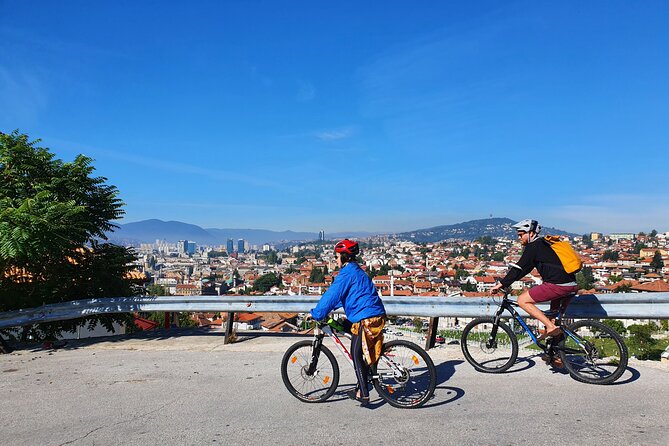
Sarajevo is history with handlebars. This small-group bike tour strings together Ottoman landmarks, Austro-Hungarian architecture, and the 1990s war story at the Tunnel of Hope. You start in the Baščaršija area, then pedal through the city to see major sights without spending half your day bouncing between distant points.
What I like most is the mix of practical bike time and meaningful stops. You cover lots of ground in a 6 to 7 hour window, and the War Tunnel stop is included with admission, so you can focus on the story instead of ticket math. The second big win is the feel of the group, max 10 travelers, which keeps things personal and helps the guide slow down when questions pop up.
One consideration: you are cycling for a decent distance, and the experience requires good weather. In reviews, the ride was described as just over 25 miles, so if you hate hills or long stretches, plan to pace yourself and bring water.
In This Review
- Key highlights worth knowing
- Sarajevo by bike: cover the classics without losing your day
- Baščaršija landmarks on two wheels: Sebilj, Kazandžiluk, and Vijećnica
- Inat Kuća and Latin Bridge: the city’s turning points
- Gazi Husrev-beg Mosque and Bezistan: Ottoman faith and commerce
- Sacred Heart Cathedral and Parliament Assembly: faith and modern governance
- Vrelo Bosne and the War Tunnel: a serious pivot done right
- Pace, distance, and what to pack for a 6 to 7 hour ride
- Price and value: why $138.34 makes sense for what you get
- Who this Sarajevo bike tour is best for
- Should you book the Sarajevo City Sightseeing and War Bike Tour?
- FAQ
- How long is the Sarajevo City Sightseeing and War Bike Tour?
- What is included in the tour price?
- Is the tour offered in English?
- How big is the group?
- Where does the tour start?
- What if the weather is bad?
Key highlights worth knowing
- Small-group size up to 10 helps the guide keep the tour moving at a human pace.
- Helmet and bike included means you can travel light and focus on the route.
- Tunnel of Hope admission is included, so you get the full war story stop without extra fees.
- Old Town walking-style sights like Sebilj and Kazandžiluk still make sense on a bike tour.
- Vrelo Bosne is built in for a breather after the serious history stop.
- Local guide storytelling is consistently praised, with guides like Mustafa, Mirza, Arna, and Saïd showing up in reviews.
More saddle time around Sarajevo
- Trebevic Mountain Biking Tour from Sarajevo – Bobsleigh Track
★ 5.0 · 16 reviews - Sarajevo City SIghtseeing / War Bike Tour
★ 5.0 · 13 reviews - Skakavac Waterfall Mountain Biking Tour from Sarajevo MTB
★ 5.0 · 11 reviews - MTB Bjelasnica – Lukomir
★ 5.0 · 3 reviews
Sarajevo by bike: cover the classics without losing your day
If you have limited time, this is a smart way to see Sarajevo’s headline sights and still get a real sense of how the city is laid out. On a bike tour like this, you stop often, but you are not constantly re-checking directions. That matters in Sarajevo, where old streets are charming, tight, and easy to wander the wrong way.
I especially like the structure of this ride: you start with the Baščaršija core, then you move toward iconic bridges, mosques, churches, and civic buildings. You also get the contrast that makes Sarajevo feel like more than a photo stop. The itinerary adds Vrelo Bosne, a spring and park area, and then finishes at the War Tunnel, where the tone becomes far heavier.
Value is strong here because admissions that can add up elsewhere are already handled. The war tunnel museum fee and the Vrelo Bosne spring admission are included, plus you get the bike and helmet.
Baščaršija landmarks on two wheels: Sebilj, Kazandžiluk, and Vijećnica
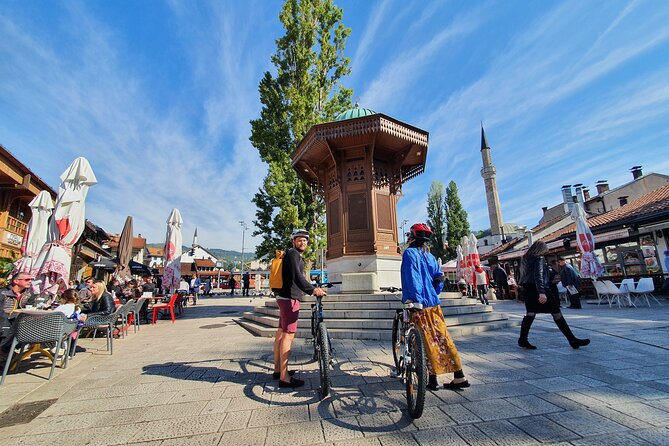
Your tour kicks off at Sebilj Brunnen (Sebilj Fountain) in the Baščaršija area. It is a classic Sarajevo meeting point and a good “orientation” stop. You get a fast hit of Ottoman-style charm right away, and the surrounding cobbled streets are exactly the kind of place you can happily linger after the tour if you still have energy.
Next comes Kazandžiluk, one of the older lanes in the Baščaršija dating back to the 1500s. It is pedestrian-only and known for coppersmiths, so you will see the working craft culture that still shapes the area. If you like souvenirs that look handmade rather than generic, this is where you can spot coffee pots, trays, and jewelry with intricate copper filigree.
Then you reach Vijećnica, Sarajevo’s City Hall. The building is Moorish Revival, built in 1894, and it carries a strong post-war message because it was heavily damaged during the Siege of Sarajevo and reopened in 2014 as a national monument and cultural venue. Even if you cannot go inside depending on what is happening that day, the exterior and the story behind the restoration make it more than just a pretty facade.
What to watch for here: the Baščaršija streets are full of texture, and the tour keeps stops short, around five minutes each at these early sights. Use that time to lock in your bearings, then plan to return later if you want longer looks at the market streets or fountain area.
Inat Kuća and Latin Bridge: the city’s turning points
A standout stop is Inat Kuća (House of Spite). The story is simple but memorable: in the late 1800s the owner refused to sell the house for City Hall construction, and authorities moved it brick by brick to the opposite bank. Today it functions as a restaurant, but the building itself is the point, because it shows how Sarajevo’s people have negotiated change, literally moving a whole structure instead of erasing it.
Then you head to Latin Bridge, tied to one of the most pivotal moments of modern European history. This Ottoman bridge, built in the 1500s, is known as the site of the 1914 assassination of Archduke Franz Ferdinand, an event that triggered World War I. The way the tour treats this stop matters, because it sits between “old city beauty” and “hard history.” You see how Sarajevo connects layers of time.
A practical note: these bridge and story stops are short on time by design. If you are a slow reader of plaques or prefer long photo breaks, keep your pace gentle but efficient so you do not run out of steam before the later tunnel segment.
Gazi Husrev-beg Mosque and Bezistan: Ottoman faith and commerce
Your route includes Gazi Husrev-beg Mosque, described as the largest mosque in Sarajevo, built in 1530. This is an important anchor for the city’s Ottoman legacy. The tour gives you a brief window to take in the scale and architecture, which helps even if you do not plan a longer mosque visit on your own later.
Right after that comes Gazi-Husrev Beg’s Bezistan, a covered market area from the 1500s with arched arcades. This is commerce as architecture. Even if shopping is not your goal, it is one of the best places on the route to understand how people once moved through covered spaces during changing weather.
If you want a simple strategy: treat the mosque as the “history anchor,” then treat Bezistan as the “daily life anchor.” Together, they show the Ottoman city feel from two angles, worship and everyday markets.

Sacred Heart Cathedral and Parliament Assembly: faith and modern governance
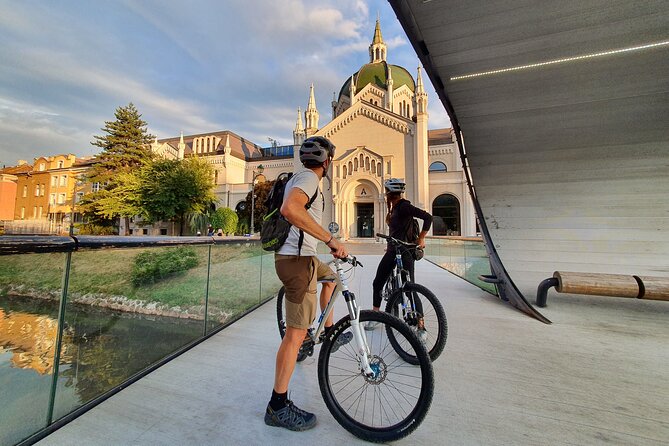
Next is Sacred Heart Cathedral, the largest cathedral in Bosnia and Herzegovina, built in the late 1800s in Neo-Gothic style. Sarajevo is often discussed in the context of the Ottoman and the Austro-Hungarian eras, and this is a strong visual marker for that second layer. It also gives the route a change of mood and scale.
Then you reach the Parliamentary Assembly of Bosnia and Herzegovina, a modernist structure from 1982 designed by Juraj Neidhardt. It was severely damaged during the Siege of Sarajevo, but it has been restored. Like Vijećnica, this stop turns architecture into a message about survival and rebuilding.
One drawback to consider: these civic and religious stops can feel similar in “look,” especially if you are juggling a lot of landmarks in a single day. The tour helps by pairing each place with a specific story, but your best bet is to keep a small mental checklist: What era is this, and what event shaped it?
Vrelo Bosne and the War Tunnel: a serious pivot done right
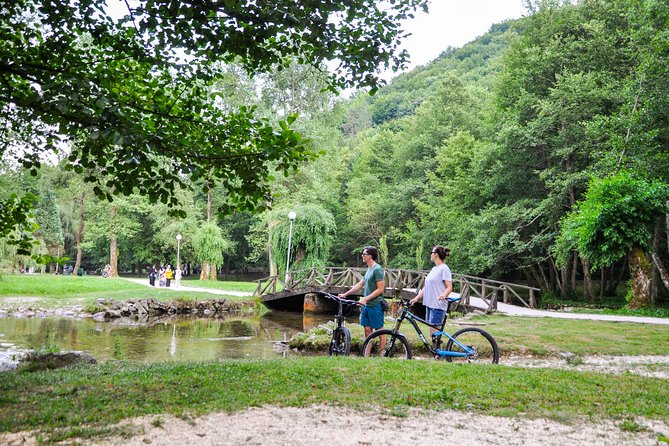
The itinerary includes Vrelo Bosne, the spring of the Bosna river at the foothills of Mount Igman. The tour gives about one hour here, with spring and park admission included. This is not just a break. It is a way to reset your brain before the most intense part of the ride.
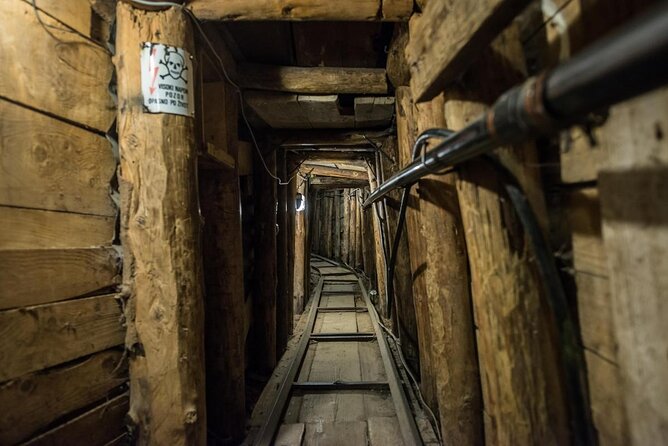
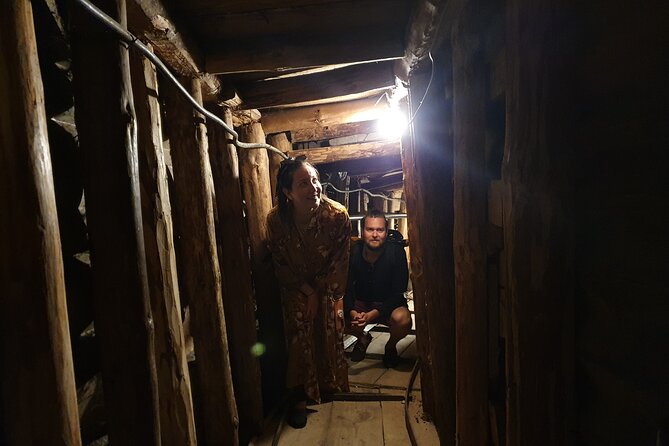
Then comes the main reason this tour is so talked about: Sarajevo War Tunnel, often associated with the Tunnel of Hope. This tunnel was constructed during the Bosnian War to connect territories cut off from each other. Admission is included, and the time allocation is about one hour, which is long enough to understand the point without feeling rushed.
How to get the most out of the tunnel: slow down in your thinking. Even if you have read about the war before, seeing the space helps you picture movement, logistics, and the constant stress of living through a siege. Guides tend to handle this part with care, and the experience works best when you let the story land before rushing to the next stop.
This is also where the “bike tour” format matters. Because you arrive on a bike, you are coming from normal city life and moving into a place defined by survival. It is a jarring switch, and that is part of why it sticks.
Pace, distance, and what to pack for a 6 to 7 hour ride
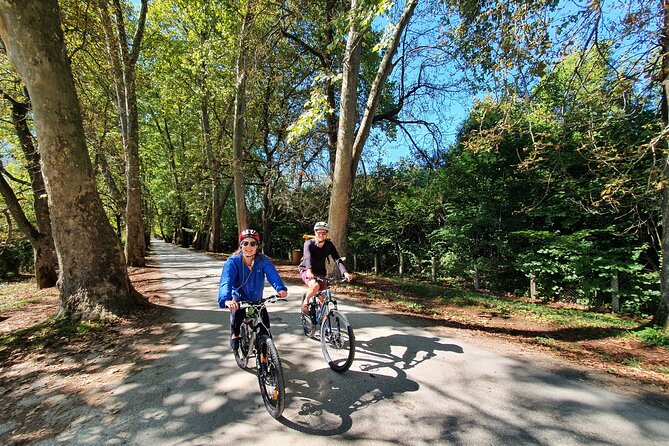
This experience runs 6 to 7 hours approximately, starting at 9:00 am and ending back at the meeting point at Obala Isa-bega Ishakovića 3. That means you get a full day of content, but you still get to keep your evening.
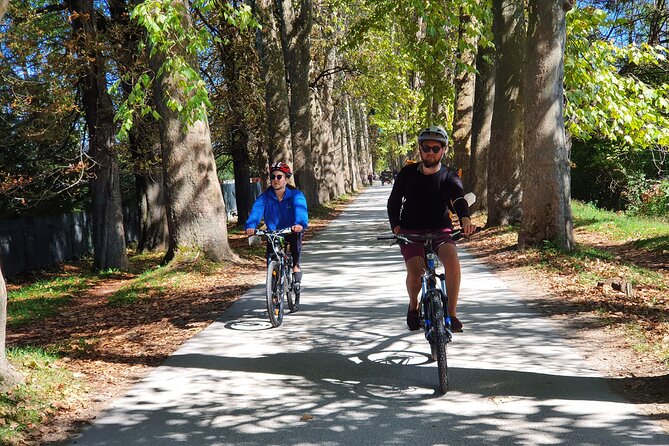
In reviews, the ride distance was described as just over 25 miles, which is a useful benchmark. The tour likely includes slower sections with frequent stops, but you should still treat it as a real cycling day. If you are comfortable riding for an hour or two, you will be fine. If you are new to bikes, plan to ride smoothly and let the guide set the pace.
What you should bring:
- Water, plus a snack you can eat during a pause if you need it
- Closed-toe shoes that work on cobbles
- A light layer, mornings can feel cooler even in fair weather
- A charged phone if you like taking photos, since you will be stopping a lot
Helmets are included, and that alone is a practical plus, especially if you do not want to buy or rent one elsewhere.
Price and value: why $138.34 makes sense for what you get
At $138.34 per person, this is not the cheapest way to see Sarajevo. But the price feels reasonable when you look at what is bundled in.
You are paying for:
- Bike and helmet included
- War tunnel museum admission included
- Vrelo Bosne spring admission included
- A local guide and a small group size capped at 10
- English-language service
- A route that mixes short, high-impact stops with two longer segments (Vrelo Bosne and the War Tunnel)
The admissions help because tunnel visits are usually the kind of extra fee that makes budget tours feel more expensive after checkout. Here, those key costs are already handled. Also, the bike changes the math: you can cover more sights than you would on foot while still stopping enough to absorb them.
The guide quality is another part of the value. Names that show up in reviews include Mustafa, Mirza, Arna, and Saïd, and the common thread is storytelling and organization. That is the kind of difference you notice most when you reach the War Tunnel, since you want the historical context explained in plain terms.
Who this Sarajevo bike tour is best for
I think this tour fits best if you want a structured overview with real context, not just a check-list of buildings. It is great for first-timers because it hits the major landmarks in a logical flow, from Baščaršija into the larger city, then to the War Tunnel.
It also works well if you enjoy mixing styles: Ottoman streets, Austro-Hungarian architecture, and a modernist parliament building in one ride. And if you like guides who point out small details, the route through Kazandžiluk and the historic bridge area is the kind of content where good explanation makes photos better.
If you are traveling with family, you will want to judge the cycling distance and your group’s comfort. Since the tour is capped at 10, it can feel friendly, but it is still a bike tour with real mileage.
Should you book the Sarajevo City Sightseeing and War Bike Tour?
Book it if you want the shortest path to understanding Sarajevo’s layers, Ottoman to Austro-Hungarian to the siege-era story at the Tunnel of Hope. The combination of included admissions, a small group, and an English-speaking guide makes it a solid way to use one day wisely.
Skip it or consider another option if you do not like cycling for several hours, or if your trip timing is uncertain and you cannot be flexible about weather. Since the tour needs good weather, you will do best if you can keep your schedule adaptable.
FAQ
How long is the Sarajevo City Sightseeing and War Bike Tour?
It runs about 6 to 7 hours.
What is included in the tour price?
Bike use, a helmet, War Tunnel museum admission, and Vrelo Bosne spring admission are included.
Is the tour offered in English?
Yes, it is offered in English.
How big is the group?
The maximum group size is 10 travelers.
Where does the tour start?
The meeting point is Obala Isa-bega Ishakovića 3, Sarajevo 71000, Bosnia and Herzegovina, and the tour starts at 9:00 am.
What if the weather is bad?
The tour requires good weather. If it is canceled due to poor weather, you will be offered a different date or a full refund.
More Tours Across Bosnia
The Full Bosnia Review Shelf
Two Wheels Around Sarajevo
Recently added to the Bosnia and Herzegovina shelf
- Walking Tour in Sarajevo★ 5.0 · 3 reviews
- Travnik, Jajce, Pliva Lakes & Mills –Medieval & Ottoman Bosnia Full Day Tour★ 5.0 · 3 reviews
- Tour of Herzegovina – From Sarajevo★ 5.0 · 3 reviews
- The Siege of Sarajevo Tour★ 5.0 · 3 reviews
- Srebrenica Genocide Tour from Sarajevo★ 4.5 · 3 reviews
- Sarajevo to Zagreb: One-Way Tour via Jajce, Travnik, Pliva Lake and Watermills★ 5.0 · 3 reviews
Sarajevo Mountain Biking & Bike Tours, compared.
 ★ 5.0Trebevic Mountain Biking Tour from Sarajevo – Bobsleigh TrackFrom $12016 reviews
 ★ 5.0Skakavac Waterfall Mountain Biking Tour from Sarajevo MTBFrom $10811 reviews
 ★ 5.0MTB Bjelasnica – LukomirFrom $753 reviews
 ★ 5.0Sarajevo E-Bike City TourFrom $543 reviews
Browse the lists this tour appears in