
REVIEW · SARAJEVO SIEGE HISTORY TOURS
Sarajevo 1425 days under the siege – War Tour
Sarajevo is impossible to understand fast, and this war tour turns the city into a clear timeline. I love the firsthand-style guidance from guides like Emina Koso and Enes, because their stories land harder than facts alone. I also love the Tunnel of Hope walk, where a 25-meter passage makes the siege feel immediate. The tradeoff is the mood is heavy, and this is not the kind of outing built for laughs.
You’ll hit the main sites connected to survival, front lines, and remembrance, with practical breaks for photos and short stops for views. I especially like that hotel pickup and drop-off are included, so you spend more time seeing and less time figuring out transport. If you want a casual sightseeing loop, consider choosing something lighter instead.
In This Review
- Key things I’d plan around
- A Sarajevo siege tour that actually connects the dots
- Price and time: is it worth $48.39?
- Getting to the route: Ferhadija meeting point and hotel pickup
- Tunnel of Hope Museum: the 25-meter walk that makes it real
- Sniper Alley and the child memorial: how the route handles emotion
- Trebević Vidikovac: city views from 1,230m with front line context
- Olympic bobsleigh and luge track: abandoned, but not random
- Jewish Cemetery Sarajevo: history, remembrance, and UNESCO interest
- How the whole route connects for meaning
- Who this tour suits best
- Booking tips: pick your spot and plan for the Tunnel ticket
- Should you book Sarajevo 1425 days under the siege?
- FAQ
- Where is the meeting point for the tour?
- Is hotel pickup included?
- How long is the Sarajevo under siege war tour?
- Is the Tunnel of Hope Museum ticket included?
- What language is the tour offered in?
- What is the group size limit?
Key things I’d plan around
- Guides with lived connection, including Emina Koso and Enes, who explain events with personal weight
- The 25-meter Tunnel of Hope walk, plus a short museum intro and a movie
- Sniper Alley and child memorial moments, placed along the route so the story has continuity
- Trebević Vidikovac viewpoints at 1,230m, where you can photograph the city while hearing the war lines
- A stop at the Sarajevo Olympic Bobsleigh and Luge Track, with views toward the cable car reopened in 2018
- Jewish Cemetery Sarajevo, important in the siege story and linked to UNESCO interest
Further siege history tours in Sarajevo
- Fall of Yugoslavia, Sarajevo War Tour with Tunnel of Hope Museum and Frontlines
★ 5.0 · 1,314 reviews - ROSES OF SARAJEVO (Official WAR + CITY tour)- Story of a Survivor
★ 5.0 · 770 reviews - Tunnel Museum: Bosnian & Yugoslav Wars Tour with War Veteran
★ 5.0 · 551 reviews - Sarajevo War Tour: A Veteran’s Story of the Siege (fees included)
★ 5.0 · 326 reviews
A Sarajevo siege tour that actually connects the dots
Sarajevo under siege isn’t just a chapter in a textbook. It’s a place you can feel, especially when a guide points to the exact spots where people tried to survive day after day. This tour is designed as a guided route through that reality, moving from the Tunnel of Hope to viewpoints and memorial sites.
What makes it work is the pacing. You are not rushed through a checklist of buildings. You stop long enough to understand why each site matters, and you get context for what changed on the ground, not just what happened in general terms. The best part is how quickly the city becomes legible: road, hill, memorial, tunnel, and cemetery all start telling the same story from different angles.
Price and time: is it worth $48.39?
At $48.39 per person, you’re paying for a guided, time-efficient route through some of Sarajevo’s most important siege-related locations. The duration is about 3 to 4 hours, which is a very workable block if you’re also visiting nearby cities or doing other tours in the region.
You also get transportation value built in. The tour includes bottled water, an air-conditioned vehicle, and hotel pickup plus drop-off. That matters because these sites are not all sitting in the same walkable square, and it’s easier to do this in one go than piecing it together with taxis.
The only clear extra cost is the Tunnel of Hope Museum ticket, which is not included and is listed at €10.00 per person. Plan for that up front so you don’t get surprised mid-tour. Still, once you factor in guide time, transport, and the number of major stops, the overall package is good value.
Getting to the route: Ferhadija meeting point and hotel pickup
You meet at Ferhadija, 71000 Sarajevo, with the tour office at Ferhadija 19, in the passage next to the Cathedral of Jesus’s Sacred Heart. The tour ends back at the meeting point, but hotel pickup and drop-off are offered for convenience.
I like that this takes the stress out of your day. If you’re tired from travel, battling with a map, or just want your morning to stay simple, pickup removes the hardest part of Sarajevo logistics. The tour also runs with a maximum group size of 50, which helps keep the experience structured rather than chaotic.
One small practical detail: it’s an English tour, and you’ll receive a mobile ticket. Service animals are allowed, and the route is described as suitable for most participants, so you can plan around it without worrying too much about hidden constraints.
Tunnel of Hope Museum: the 25-meter walk that makes it real
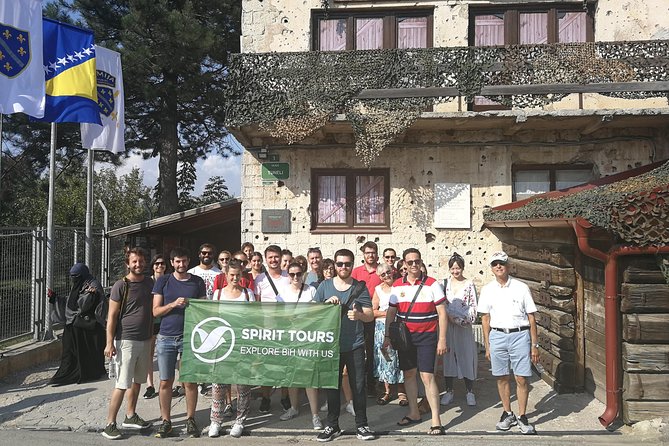
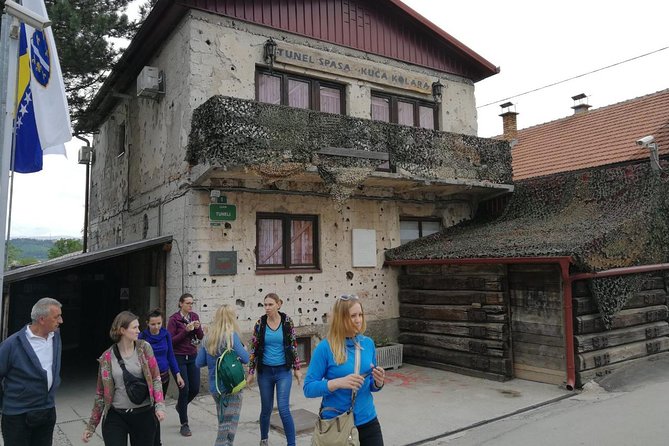
This is the heart of the tour for good reason. The Tunnel of Hope is both famous and essential, not just for its story but because you physically walk a key part of it. You’ll start with an introduction on the way, and you’ll also pass by important war-related points like Sniper Alley and the memorial for murdered children.
At the Tunnel of Hope Museum stop, expect a guided visit that includes:
- a visit to the museum exhibition
- a short 17-minute movie
- time to look at a map of Sarajevo under the siege, including enemy lines
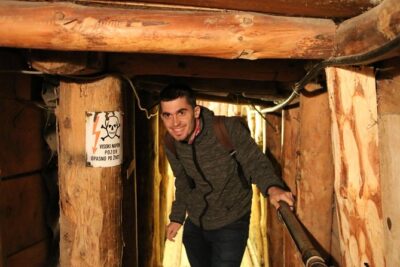
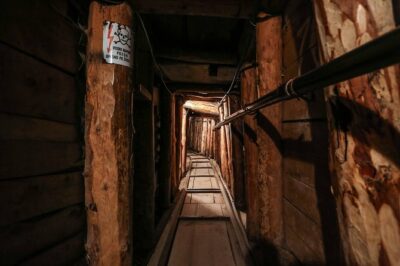
- entry to the tunnel itself, described as 25 meters long, which you walk through
The tunnel portion is powerful because it’s specific. You’re not imagining cramped survival in abstract terms. You’re moving through the space as a group, and your body understands the narrowness and the effort much faster than words alone.
One practical note: Tunnel of Hope Museum admission is not included, and the listing puts it at €10.00 per person. The visit is about 1 hour 30 minutes at this stop, so keep your expectations for the rest of the day realistic. This is the kind of location that sticks with you, so give it full attention, even if you come in expecting something more “touristy.”
Sniper Alley and the child memorial: how the route handles emotion
Between the tunnel focus and the later city views, the tour includes remembrance stops that hit hard. The route calls out a memorial dedicated to 1621 murdered children of Sarajevo. The description is detailed: it’s made of bronze and glass, and the sculpture symbolizes a mother trying to protect her children. There’s also a bronze ring meant to symbolize a strong defense line.
This is not a background detail. It’s placed so you understand what kind of siege this was. When a guide points out what you’re looking at, you start seeing the city differently. Instead of a collection of streets and stone buildings, you get a map of vulnerability and fear.
I also appreciate the tone shift that tends to happen naturally on tours like this. The guide is there to explain, not to entertain. So if you need a day that stays light, you may find yourself uncomfortable at parts. On the flip side, if you want a serious understanding of Sarajevo, this is exactly the kind of moment that turns learning into awareness.
Trebević Vidikovac: city views from 1,230m with front line context
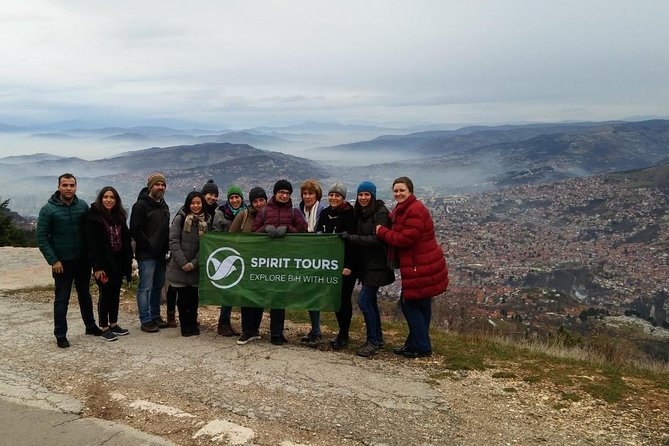
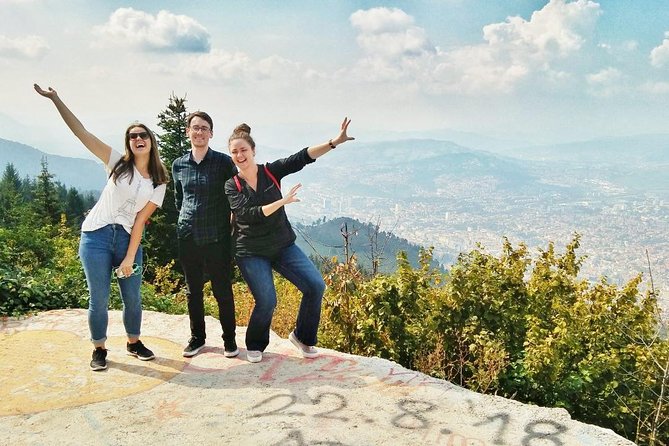
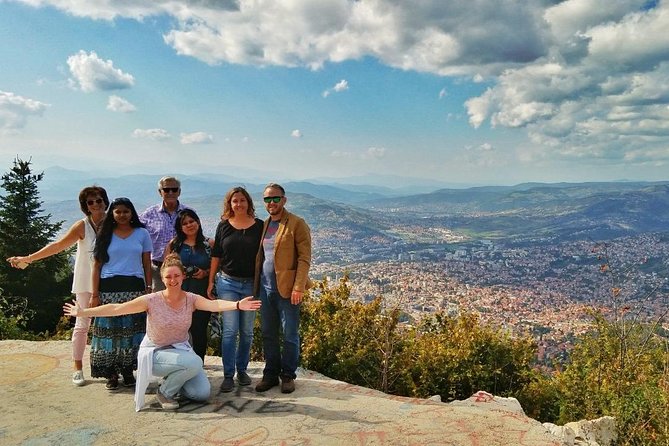
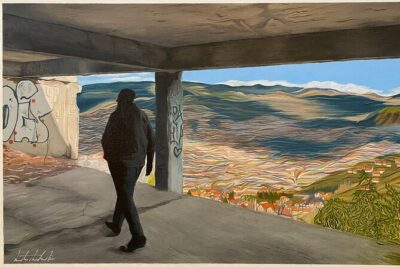
After the tunnel, you move toward Trebević Vidikovac, an Olympic mountain area that sits 1,230m above sea level. The time here is short, around 20 minutes, but it’s designed for two things: understanding what you’re seeing and taking photos.
From this height you get a broad look across the city, and the tour frames that view with war stories and explanations about enemy lines. You’ll also hear about how the route connects different sides of the city during the conflict. Even if you don’t know the geography yet, the guide helps you orient fast so the view stops being just pretty scenery.
The best way to use this stop is to slow down for one photo you’ll actually want later. Pick a direction, stand still for a minute, and let the guide’s explanation stick to the lines you see below. It’s the rare moment in a war tour where the sky opens up, and you get perspective on how much territory was contested.
Olympic bobsleigh and luge track: abandoned, but not random
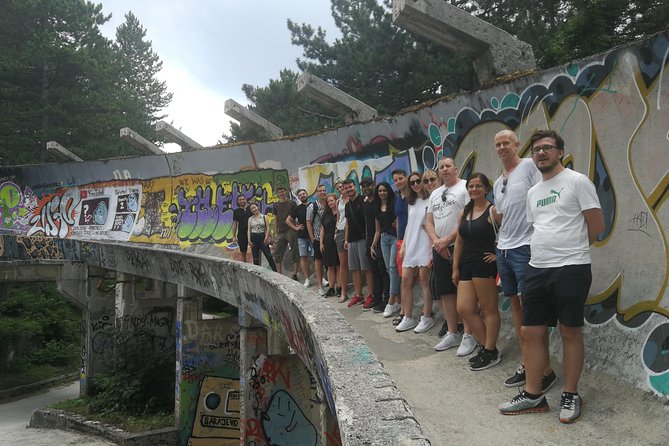
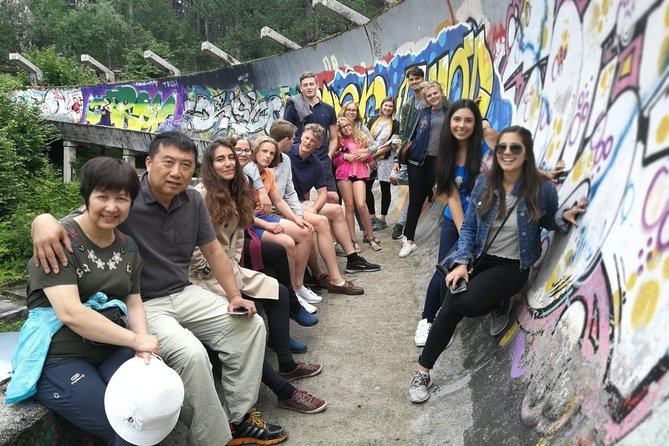
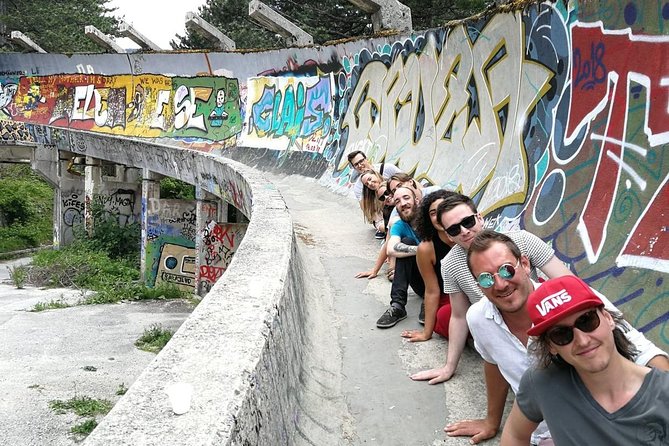
Next comes the Sarajevo Olympic Bobsleigh and Luge Track, tied to the 1984 Winter Olympic Games. You’ll spend about 30 minutes walking along the track area, and the guide will help with photos.
This stop is interesting because it shows how quickly a city can repurpose or lose its grandeur during conflict. The track is described as one of the most beautiful abandoned places in the world, and even without leaning into hype, you can see why. It’s a built environment that carries memory, not just function.
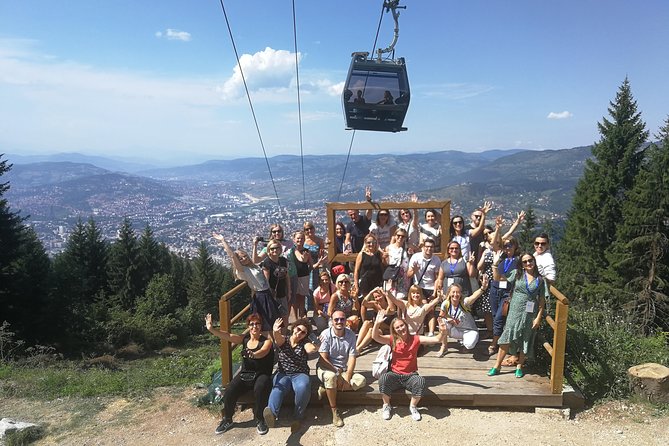
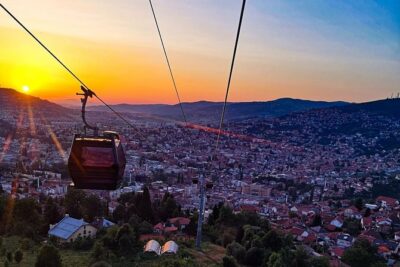
On the way onto the start of the track, you also get an amazing view of the cable car, which is noted as reopened on 6 April 2018. That matters for two reasons:
1) It adds present-day Sarajevo context, not only siege-era remnants.
2) It gives you a landmark to locate your photos against.
I’d bring the same mindset you would for a viewpoint: pause, look, ask your guide what matters visually, then take a couple of photos you can identify later. This stop can feel cinematic, but you’ll get more out of it when you connect what you see to the war stories being told.
Jewish Cemetery Sarajevo: history, remembrance, and UNESCO interest
The last major stop is the Jewish Cemetery Sarajevo, described as the second largest in Europe and a candidate for UNESCO World Heritage status. The time here is brief, around 15 minutes, but it’s framed with siege-era relevance.
The tour highlights that this cemetery was part of the battleground between the Bosnian Army and Serbian forces during the siege. So again, you’re not just visiting a quiet place. You’re visiting a site where the conflict touched daily life and where the struggle left marks on the ground.
Even though the visit is short, the cemetery can feel long in your head. It’s the kind of place where your main job is respect, not speed. If you’re sensitive to emotional settings, keep your pace slow and follow your guide’s cues about where to look and how to stay present.
How the whole route connects for meaning
The route is built like a chain. You start with the Tunnel of Hope, where ingenuity and survival meet physical reality. Then you move to viewpoints like Trebević, where the city becomes a map and the guide explains enemy lines from high ground. Next you step onto a Cold-war-era sports relic and a cable car view, showing the tension between ordinary life and what war left behind. Finally, you end at the Jewish Cemetery and child memorial themes, where remembrance becomes the point, not the afterthought.
That structure matters because it stops the day from feeling like a set of disconnected stops. By the time you leave, you can usually say, in plain terms, how siege worked in space, time, and daily choice.
If you’re planning your overall Sarajevo days, I’d schedule this tour early enough that you can use what you learn to understand the city you’ll see afterward. It changes how neighborhoods and monuments register in your mind.
Who this tour suits best
This is a strong fit for you if:
- you want a guided Sarajevo siege experience with clear context
- you care about understanding civilian survival, not only military facts
- you’re comfortable with serious history and quiet moments
It may not fit if you’re looking for light entertainment, or if you need a day that stays upbeat. The subject matter is heavy by design, and the guides do not treat it like a background theme.
Good news: you don’t have to be an expert beforehand. The tour is structured so you get enough orientation to follow along, and the guides’ personal stories help turn complex events into something you can actually remember.
Booking tips: pick your spot and plan for the Tunnel ticket
If you want the best chance at your preferred time, book ahead. This experience is noted as commonly booked about 38 days in advance, which is a good sign that it fills around peak travel seasons and weekends.
Also, budget for the Tunnel of Hope Museum admission (€10.00 per person) so the day stays smooth. Bring comfortable shoes for walking, especially for the tunnel portion. And if you’re the type who likes to take photos, keep your phone battery charged, because Trebević’s viewpoint and the track area are excellent for pictures.
Should you book Sarajevo 1425 days under the siege?
If you’re asking whether this is worth your time, my answer is yes, with an important condition: go in ready for a serious, human story.
You’re paying for a tight, well-organized route that includes the most important siege sites, plus practical help like hotel pickup and bottled water. The biggest reason it earns such high praise is the guides, especially guides like Emina Koso and Enes, who bring lived connection to the explanation. That’s the difference between hearing about the siege and understanding what it meant.
Book it if you want Sarajevo that feels real. Skip it if you want a casual sightseeing day that stays light.
FAQ
Where is the meeting point for the tour?
The tour meets at Ferhadija 19, in the passage next to the Cathedral of Jesus’s Sacred Heart, in central Sarajevo. The tour ends back at the meeting point.
Is hotel pickup included?
Yes. Hotel pickup and drop-off are included, and you can also meet at the office on Ferhadija 19 if you prefer.
How long is the Sarajevo under siege war tour?
The tour lasts about 3 to 4 hours.
Is the Tunnel of Hope Museum ticket included?
No. Tunnel of Hope Museum admission is not included and is listed at €10.00 per person.
What language is the tour offered in?
The tour is offered in English.
What is the group size limit?
This experience has a maximum of 50 travelers.
More Tours Across Bosnia
The Full Bosnia Review Shelf
Sarajevo Siege History, Further Tours
Recently added to the Bosnia and Herzegovina shelf
- Walking Tour in Sarajevo★ 5.0 · 3 reviews
- Travnik, Jajce, Pliva Lakes & Mills –Medieval & Ottoman Bosnia Full Day Tour★ 5.0 · 3 reviews
- Tour of Herzegovina – From Sarajevo★ 5.0 · 3 reviews
- The Siege of Sarajevo Tour★ 5.0 · 3 reviews
- Srebrenica Genocide Tour from Sarajevo★ 4.5 · 3 reviews
- Sarajevo to Zagreb: One-Way Tour via Jajce, Travnik, Pliva Lake and Watermills★ 5.0 · 3 reviews
Sarajevo Siege History Tours, compared.
 ★ 5.0Fall of Yugoslavia, Sarajevo War Tour with Tunnel of Hope Museum and FrontlinesFrom $361,314 reviews
 ★ 5.0ROSES OF SARAJEVO (Official WAR + CITY tour)- Story of a SurvivorFrom $53770 reviews
 ★ 5.0Tunnel Museum: Bosnian & Yugoslav Wars Tour with War VeteranFrom $36551 reviews
 ★ 5.0Sarajevo War Tour: A Veteran’s Story of the Siege (fees included)From $48326 reviews
 ★ 5.0Tunnel of Hope Tour – Survival and ResilienceFrom $25118 reviews
 ★ 5.0Sarajevo Grand Tour: Old Town, War Tunnel, Olympic Sites & MoreFrom $4773 reviews
 ★ 5.0War Times Experience in Sarajevo – Half Day TourFrom $3561 reviews
 ★ 5.0Times of Misfortune – Life Under Siege and the Tunnel of HopeFrom $3253 reviews
Browse the lists this tour appears in