
REVIEW · SARAJEVO SIEGE HISTORY TOURS
Utopia of Tito’s Yugoslavia, Tito’s Bunker & Siege of Sarajevo
Sarajevo has layers, and this day stitches them together. You’ll start with Tito’s nuclear shelter plans, then follow the story of a city under siege, with visits to the War Tunnel and key Olympic remnants.
I especially like the small group size (max 8), which keeps the pace human and makes it easier to ask questions. I also love that the tour folds in major, ticketed Cold War and wartime sites like ARK D-0 Tito’s Bunker and the Sarajevo War Tunnel in one long day.
One drawback to consider: it’s a full 10-hour outing without lunch, so bring a snack plan and expect lots of walking, viewpoints, and time outdoors.
In This Review
- Key things I’d mark on your map
- Why this Sarajevo day trip feels different
- Price and what you are really paying for
- The morning start: Konjic Bridge and the Yugoslavia connection
- Entering ARK D-0: Tito’s bunker and the logic of fear
- Igman Mountain: Olympic ski jumps, then the siege reality
- Sarajevo War Tunnel: Tunnel of Hope, museum first, then through it
- Trebević and Dobrinja: Olympics at war front speed
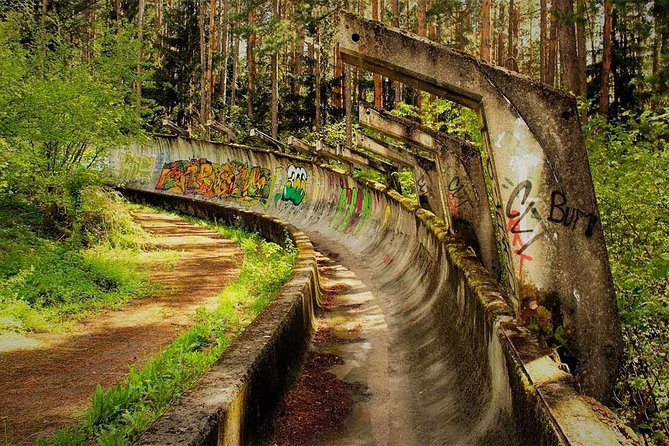
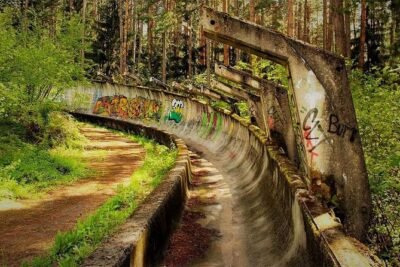
- Down the bobsleigh and luge track: street art meets old sport
- The Jewish Cemetery and the siege frontline
- Logistics that affect your day (more than you think)
- Who should book this tour
- Should you book? My quick recommendation
Key things I’d mark on your map
- ARK D-0 Tito’s Nuclear Bunker: a huge underground command center built over 26 years for 350-plus leaders
- Sarajevo War Tunnel: museum exhibits, a short film, and then the chance to walk through the underpass
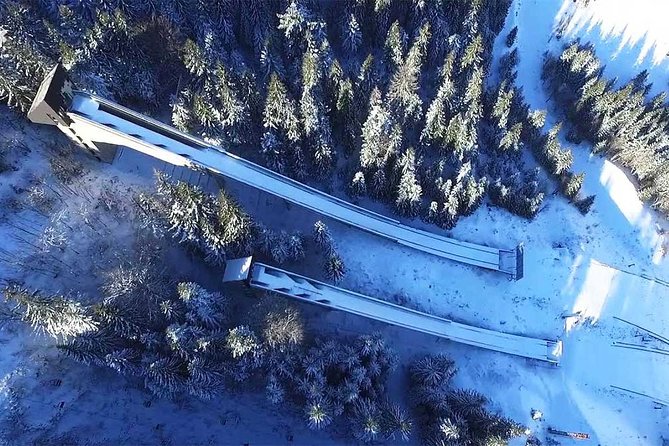
- Olympic Sarajevo stops: Igman ski-jump areas, the bobsleigh and luge track, and sites tied to the 1984 Winter Games
- Igman Olympic Hotel remains: a place where 1984 optimism met the reality of the 1990s siege
- Jewish Cemetery in the frontline story: a short but weighty stop tied to sniper positioning during 1992 to 1995
- Hotel pickup plus an English-speaking guide: smoother start in the morning, especially if you are staying outside the old town
Further siege history tours in Sarajevo
- Fall of Yugoslavia, Sarajevo War Tour with Tunnel of Hope Museum and Frontlines
★ 5.0 · 1,314 reviews - ROSES OF SARAJEVO (Official WAR + CITY tour)- Story of a Survivor
★ 5.0 · 770 reviews - Tunnel Museum: Bosnian & Yugoslav Wars Tour with War Veteran
★ 5.0 · 551 reviews - Sarajevo War Tour: A Veteran’s Story of the Siege (fees included)
★ 5.0 · 326 reviews
Why this Sarajevo day trip feels different
This is not a checklist tour. It’s a linked story of Sarajevo’s role as a modern European city that got pulled into bigger forces, then had to survive in a small, intense radius.
What makes it especially effective is the way the day alternates between scale and emotion. Tito’s bunker is about planning for a nuclear nightmare, all tight angles and command logistics. The War Tunnel is about desperate improvisation: people needing a lifeline. Then you shift again to the Olympic mountains and tracks, where the 1984 Sarajevo Winter Olympics still echo in concrete, metal, and ruined structures.
The tour is also built for you if you dislike being herded. The group is limited to eight travelers, and that tends to make the guide’s pacing feel more like a conversation than a lecture. Guides you might encounter include Hamza, Emir, Ahmed, Salem, Amir, Mustafa, and Agnar, and the common thread is passionate, detailed storytelling that helps you connect dates to places.
Price and what you are really paying for
At $101.85 per person, you’re paying for a full day with multiple paid entrances, transport, and a professional English-speaking guide and driver in an air-conditioned vehicle.
Here’s the value angle that matters: admission fees to the key attractions are included, including Tito’s Bunker (10 EUR adult) and the Sarajevo War Tunnel (5 EUR adult, 2.5 EUR children and students). Other stops like the Konjic Bridge area and the Olympic and cemetery sites are listed as free, so your money goes mainly toward the two biggest ticketed drawcards plus the time and logistics to connect them all.
Lunch is not included, so you’ll want to plan for that yourself. If you know you get hungry, it helps to buy something quick before the mountain portion or keep a snack for the drive.
The morning start: Konjic Bridge and the Yugoslavia connection
You begin at Funky Tours in Sarajevo’s old town area, with the option for hotel pickup anywhere in Sarajevo. The morning starts early enough that you’ll likely get the brighter light for the first stretch.
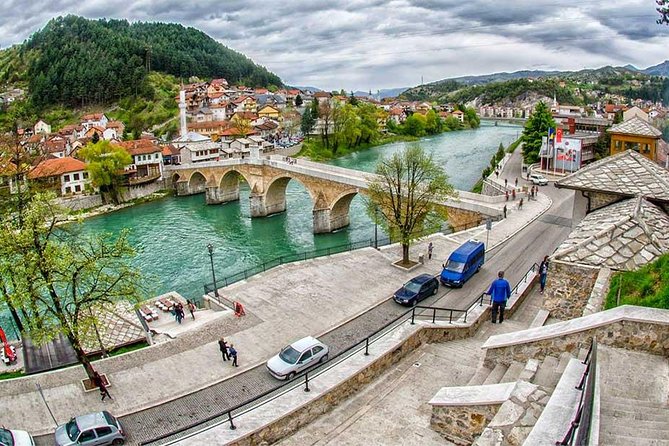
The first stop is Konjic Bridge, a short visit to an old part of Konjic with prehistorical roots. The bridge itself is a 17th-century, six-arch span over the turquoise Neretva River. The tour notes that Konjic is usually very sunny, which is nice for photos, but it’s also a reminder to protect yourself from sun and glare.
Why this stop is more than a quick bridge photo: Tito’s nuclear bunker project is tied to this region, and being here first gives you a sense of how the bunker fits into the geography and strategy of the former Yugoslavia. The contrast is immediate. You’re looking at a scenic river setting, then you’re about to go underground into a facility built for catastrophe.
What to watch for: this is brief, so if you want extra time on the bridge, you will need to spend your own time there before or after the group.
Entering ARK D-0: Tito’s bunker and the logic of fear
Next comes the main event: ARK D-0, Tito’s Nuclear Bunker. The facility is described as a construction that took 26 years, covering about 6,500 square meters, built to withstand nuclear war and shelter over 350 Yugoslav leaders and generals.
Inside, you’re not just walking through a bunker hallway. You’ll wander through the structure and its setting, and the tour is also framed around the idea that this is where Cold War paranoia turns into steel and concrete. You’ll hear guided discussion about why the Yugoslav system fractured and what the rigid consequences were, all anchored in what the bunker was designed to do.
One practical reason I like including this site early in the day: it’s physically engaging, and it sets the emotional tone. After Konjic’s bright river, the bunker’s cold, closed spaces feel heavier. And since this is included with admission, you are not squeezing extra payments into your day.
A detail that might surprise you: the bunker venue is also described as hosting a biennial of contemporary art. That doesn’t change the bunker’s purpose, but it does add an interesting layer to the visit. It pushes you to see how societies keep using historical sites in the present.
Other tours that read the Yugoslav decades
Igman Mountain: Olympic ski jumps, then the siege reality
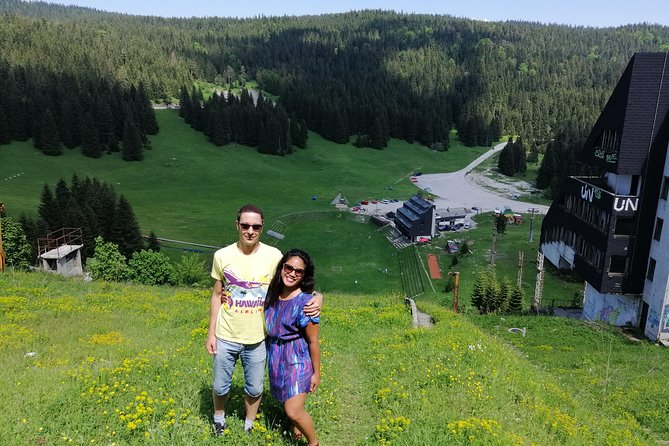
From the bunker, you head toward Sarajevo and take in Igman, described as the Olympic mountain area with ski-jump heritage from the 1984 Winter Olympics. You may stop for photos around the Olympic podium area, and the tour also encourages climbing the ski-jump structures if you’re up for it.
If you’re an Olympics fan, this is your chance to see how that 1984 spirit left physical marks. If you’re not, it still works, because the guide links this mountain to the siege story and to how the city’s defenders and positions shifted.
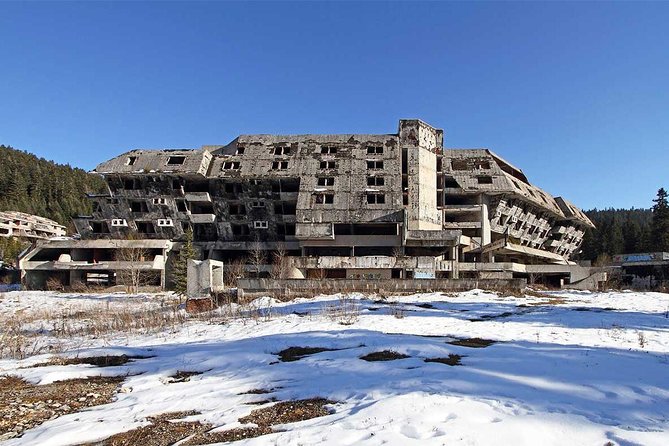
Then the mood turns darker with Igman Olympic Hotel. The tour describes it as a 162-room hotel built in a spirit of optimism, unity, and teamwork for the 1984 Games. During the Balkan War and the siege of Sarajevo in the 1990s, it was brutally torn apart. Even if you’ve seen ruins before, this one carries a specific emotional weight because you know what it was meant to be.
Practical consideration: the mountain portion can mean uneven footing and stairs or climbs. Wear shoes you trust.
Sarajevo War Tunnel: Tunnel of Hope, museum first, then through it
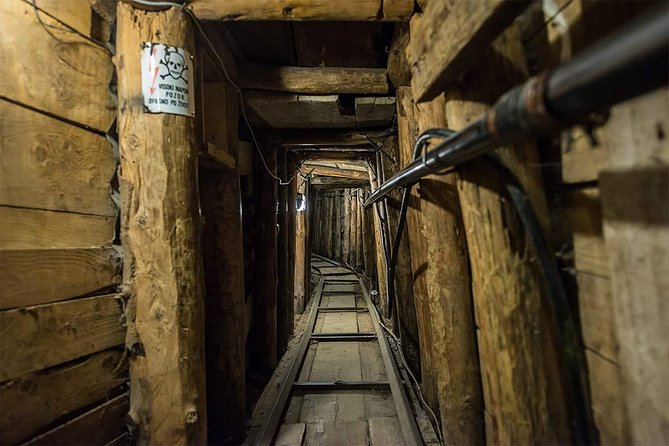
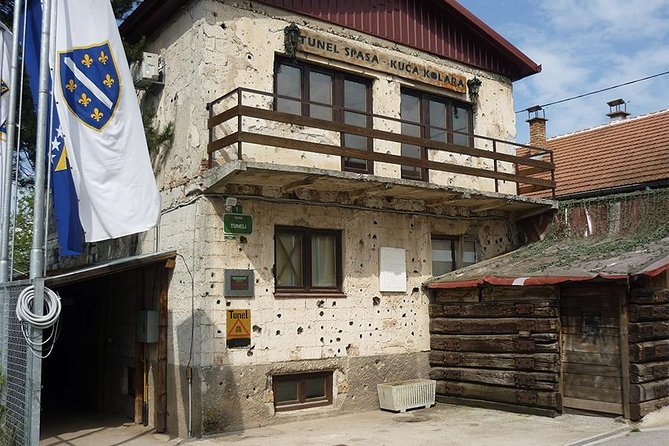
Now you shift from mountains and symbols to a literal lifeline. The Sarajevo War Tunnel visit includes museum exhibits, a short film, and then the tunnel walk itself.
This is where your understanding becomes physical. The museum sets up the why: the urgent need for an underpass during the siege. Then the movie gives you that short, guided context before you see the real route. Finally, you go through the tunnel, and the space does the teaching. It’s not about absorbing facts like a lecture. It’s about feeling the narrowness of survival.
The admission is included (5 EUR adult / 2.5 EUR children and students). The time you get is also substantial enough that this does not feel like a rushed stop.
A small tip for making it land: keep your questions for the guide while you’re still in the tunnel area. The guide’s story is freshest right when you’re experiencing the same route.
Trebević and Dobrinja: Olympics at war front speed
After the tunnel, the day moves to Trebević and includes a pass through Dobrinja, tied to the 1984 Olympic Village story.
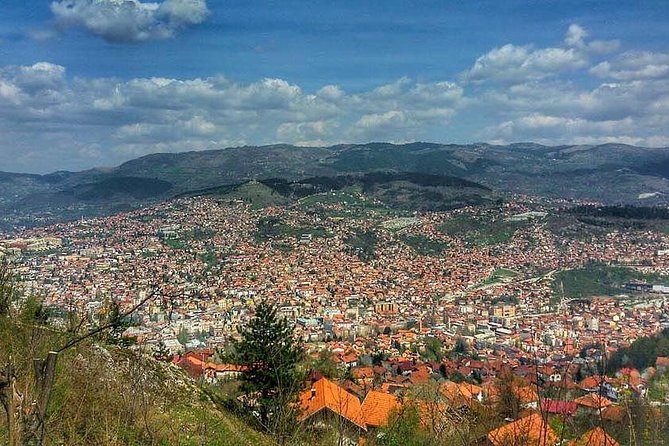
First, you hear additional context about the 1984 Winter Olympics and the war on the neighborhood scale, not just the citywide scale. Then you reach Trebević, where the tour focuses on the mountain as a frontline area during the siege, with many battles along the way.
This stop is packed with “you’re looking at evidence” moments. You may have the chance to see areas called Zlatište and Osmice, plus the Sarajevo Bobsleigh structure from 1984. The tour also points you toward Trebević Vidikovac, which is where the panoramic views start to matter most.
Why the panorama is more than sightseeing: the guide frames it as the chess game of the siege. From the top, you get a real sense of how close and how strategic those positions were. You’re also told how the VRS forces had advantages but still did not get the chance to take Sarajevo.
What to expect physically: the tour describes seeing remains like bunkers, minefields, tank caterpillar traces, trenches, and shrapnel. That means you are looking at damaged infrastructure and markers of conflict that have not been restored. You’ll want to stay aware of where you step, and keep a respectful distance.
Down the bobsleigh and luge track: street art meets old sport
Back in Sarajevo, the tour shifts again to Olympic Sarajevo with a walk down the 1984 Olympic bobsled track and luge area.
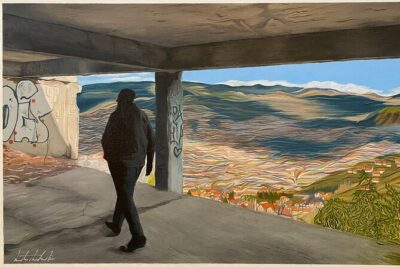
The key idea here is tone. After the siege sites, this part can feel more open and human again. The track is described as having historical importance and being an actual street art space, which changes the mood from bleak to creative. It still belongs to the same Sarajevo story, but it lets you see how the city repurposes spaces.
It’s listed as about 45 minutes and admission-free. This is a good moment to refuel mentally before the final cemetery stop.
The Jewish Cemetery and the siege frontline
The final weighty stop is the Jewish Cemetery Sarajevo, described as one of the largest Jewish cemeteries in Europe. During the siege of Sarajevo, it became a major frontline area and was used as a sniper nest for the Army of the Republic Srpska.
The tour frames it in a specific spatial way: it overlooked Sarajevo Sniper Alley. Even with a short visit time, this site can hit hard because it’s not one dramatic building. It’s a place you associate with memory and quiet, then you learn how war repurposed it into an observation and firing position.
Admission is free, and the time is brief (around 20 minutes). I like keeping it short like this, because it prevents the visit from turning into a checklist item. If you feel overwhelmed, it’s completely reasonable to slow down, take in one corner, and let the rest go.
Logistics that affect your day (more than you think)
A few details here matter for how comfortable you’ll be:
- Start time 8:00 am means you’ll want to eat before you meet.
- The day runs about 10 hours, and there is no lunch included. Build in your own food plan.
- The vehicle is air-conditioned, a real plus if you’re visiting in warmer months.
- The tour includes hotel pickup from Sarajevo hotels or you can meet at the Funky Tours office in the old town.
Also note the group limit of eight travelers. That usually means fewer delays and a more coherent rhythm between sites.
Who should book this tour
This one is best for you if you want more than a Sarajevo sightseeing day. You want context, and you want the big story told through places you can stand in.
You’ll likely enjoy it if:
- you care about Cold War history and how it shaped real infrastructure
- you want the siege story anchored by sites like the tunnel and frontline areas
- you like Olympic history, but can handle it with the war context attached
- you prefer a small group and an active guide
You might want to skip or modify it if:
- you have low mobility or you dislike extended days with walking and outdoor viewpoints
- you need a guaranteed long lunch break, because lunch is not included
Should you book? My quick recommendation
I think this is a strong booking if your priority is understanding Sarajevo through two major underground and wartime anchors, then topping it off with Olympic sites that show how history keeps reshaping the same geography.
The value is also good for what you get: transport plus an English guide plus paid entry to Tito’s bunker and the War Tunnel, all in one efficient loop. With the group capped at eight and hotel pickup available, it’s easier than trying to piece together these far-flung sites on your own.
If you like thoughtful, factual stories and you don’t mind that the day gets heavy in the best possible way, this is worth your time.
Konjic and the Bunker, More Trips
The Yugoslav Decades, Further Tours
Sarajevo Siege History, Further Tours
Recently added to the Bosnia and Herzegovina shelf
- Walking Tour in Sarajevo★ 5.0 · 3 reviews
- Travnik, Jajce, Pliva Lakes & Mills –Medieval & Ottoman Bosnia Full Day Tour★ 5.0 · 3 reviews
- Tour of Herzegovina – From Sarajevo★ 5.0 · 3 reviews
- The Siege of Sarajevo Tour★ 5.0 · 3 reviews
- Srebrenica Genocide Tour from Sarajevo★ 4.5 · 3 reviews
- Sarajevo to Zagreb: One-Way Tour via Jajce, Travnik, Pliva Lake and Watermills★ 5.0 · 3 reviews
Sarajevo Siege History Tours, compared.
 ★ 5.0Fall of Yugoslavia, Sarajevo War Tour with Tunnel of Hope Museum and FrontlinesFrom $361,314 reviews
 ★ 5.0ROSES OF SARAJEVO (Official WAR + CITY tour)- Story of a SurvivorFrom $53770 reviews
 ★ 5.0Tunnel Museum: Bosnian & Yugoslav Wars Tour with War VeteranFrom $36551 reviews
 ★ 5.0Sarajevo War Tour: A Veteran’s Story of the Siege (fees included)From $48326 reviews
 ★ 5.0Sarajevo 1425 days under the siege – War TourFrom $48170 reviews
 ★ 5.0Tunnel of Hope Tour – Survival and ResilienceFrom $25118 reviews
 ★ 5.0Sarajevo Grand Tour: Old Town, War Tunnel, Olympic Sites & MoreFrom $4773 reviews
 ★ 5.0War Times Experience in Sarajevo – Half Day TourFrom $3561 reviews
Browse the lists this tour appears in