
REVIEW · SARAJEVO SIEGE HISTORY TOURS
Times of Misfortune – Life Under Siege and the Tunnel of Hope
Sarajevo’s siege still feels painfully close. This English guided tour connects major landmarks with the Tunnel of Hope Museum, including time for a siege-focused movie, plus transport for a smoother 3.5-hour route. For about $32.58 per person, it’s a practical way to understand what daily life became during the siege.
I love how the guide’s personal stories can make big events feel human, and how that realism carries you through the city streets. The most moving moment is the Tunnel of Hope, where you learn how it was built and what it meant for connecting Sarajevo to the outside world. One catch to plan for: the Tunnel of Hope museum ticket is not included, with adult admission listed at 20 BAM (10.50€) and student admission at 8 BAM.
In This Review
- Key highlights you can look forward to
- Entering Sarajevo’s “Times of Misfortune” tour route
- Price and value: what $32.58 really buys you
- Starting at Zelenih beretki 30, then building context fast
- Yellow Fortress: Sarajevo’s wartime defenses, explained through views
- Kovači Cemetery: a short memorial moment that matters
- Pass-by Sarajevo landmarks: City Hall, markets, and symbols of endurance
- Stadiums and the dual identity of Sarajevo
- Maternity hospital stop: medical courage in plain sight
- Parliament, Holiday Inn, and the media angle you might miss otherwise
- Sniper Alley drive-by: danger shown through location
- Olympic hub, then the emotional anchor: Tunnel of Hope Museum
- Transportation and pacing: why the format works
- Who this tour is best for
- Should you book Times of Misfortune in Sarajevo?
Key highlights you can look forward to
- Small group size (up to 20), which keeps the pacing manageable for a heavy topic
- Personal, lived-in guidance (Nermin is one example mentioned as a former police officer)
- Yellow Fortress viewpoints that help you picture how Sarajevo’s defenses worked
- Kovači Cemetery memorial time for a grounded, respectful pause
- Sniper Alley drive-by that puts wartime danger into a simple, visual context
- Tunnel of Hope Museum (1 hour 15 minutes) with movie time and a focused explanation
Further siege history tours in Sarajevo
- Fall of Yugoslavia, Sarajevo War Tour with Tunnel of Hope Museum and Frontlines
★ 5.0 · 1,314 reviews - ROSES OF SARAJEVO (Official WAR + CITY tour)- Story of a Survivor
★ 5.0 · 770 reviews - Tunnel Museum: Bosnian & Yugoslav Wars Tour with War Veteran
★ 5.0 · 551 reviews - Sarajevo War Tour: A Veteran’s Story of the Siege (fees included)
★ 5.0 · 326 reviews
Entering Sarajevo’s “Times of Misfortune” tour route
This is the kind of tour where the city stops being just pretty streets and becomes a map of decisions, fear, and survival. You start with a licensed guide and transportation, then shift between short walks and drive-by views so you can keep your energy for the sites that need attention.
The format is also friendly for planning. You get a mobile ticket, the tour runs in English, and it usually works well for most people because the time on foot is limited. The full experience is about 3 hours 30 minutes, and the standout block is 1 hour 15 minutes at the Tunnel of Hope Museum.
Finally, keep in mind that this is not a light afternoon. It is designed to explain the siege period and the collapse of Yugoslavia, and it does that by showing you places tied to those events.
Price and value: what $32.58 really buys you
At $32.58 per person, the tour itself is a bargain for what you’re getting: a licensed guide plus transportation for a route that covers a lot of ground. You also get a structured story, not random sightseeing, which matters when you’re dealing with difficult history and need clear context.
The one extra you must budget for is the Tunnel of Hope Museum ticket, since it is not included. Adults are listed at 20 BAM (10.50€) and students at 8 BAM. If you add that, you’re paying for the guided route plus the museum entry that anchors the emotional center of the day.
If you’re trying to decide between a general city tour and something more focused, this is the stronger option for value. You’re not just moving from one landmark to the next, you’re learning why each location mattered during the siege.
Starting at Zelenih beretki 30, then building context fast
You’ll meet at Sarajevo Insider – City Tours and Excursions, Zelenih beretki 30. The meeting point is straightforward and close to public transportation, which helps if you’re staying somewhere that’s easier to reach by tram or bus.
From the start, the guide sets the tone with a city-level framing of siege life. This early context is what makes the later stops land. Without it, you can see a building and know it is old. With it, you see the same building and understand what function it had, who depended on it, and why it became symbolic.
If you like tours where someone talks you through cause and effect, this one is structured that way. You’ll notice the pacing is designed to keep you moving while still giving you short moments to look and absorb.
Yellow Fortress: Sarajevo’s wartime defenses, explained through views
Next up is the Yellow Fortress, with about 20 minutes there. This stop works because you get a look that naturally turns into a story. From the viewpoint, the guide can connect geography to defense and explain what the city’s layout forced people to do.
The fortress time is also useful because it gives you a reference point. After you see the view and hear how it relates to the siege, later drive-by streets and pass-by buildings feel less random. You start noticing angles, distances, and why certain areas carried extra risk.
If you’re visiting in variable weather, dress for it. This is an outdoor viewpoint moment, and the tour notes that good weather is required, so conditions can affect the experience.
Kovači Cemetery: a short memorial moment that matters
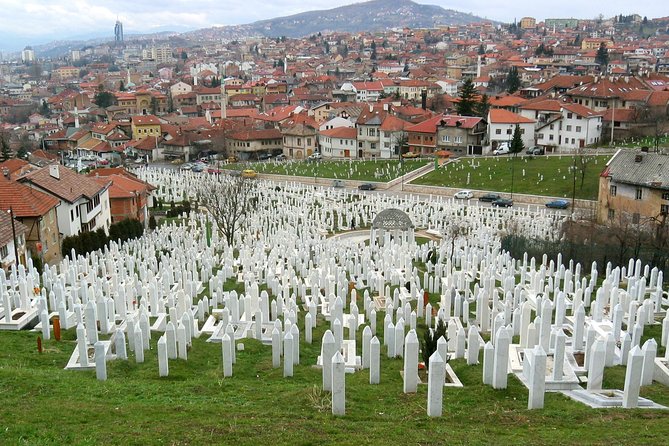
Then you head to Kovači Cemetery, with about 5 minutes set aside. It’s brief, but it’s not superficial. The purpose here is remembrance, focused on the national memorial tied to Bosnia’s defenders from 1992 to 1995.
This is one of those stops where I’d recommend slowing your pace even if the schedule is tight. A few minutes at a cemetery can feel like a lot more than the clock suggests, especially once the guide frames the names and the meaning behind the memorial.
If you don’t want a long walking tour, this is still a powerful fit. It gives you a respectful pause without turning the day into an all-day solemn march.
Pass-by Sarajevo landmarks: City Hall, markets, and symbols of endurance
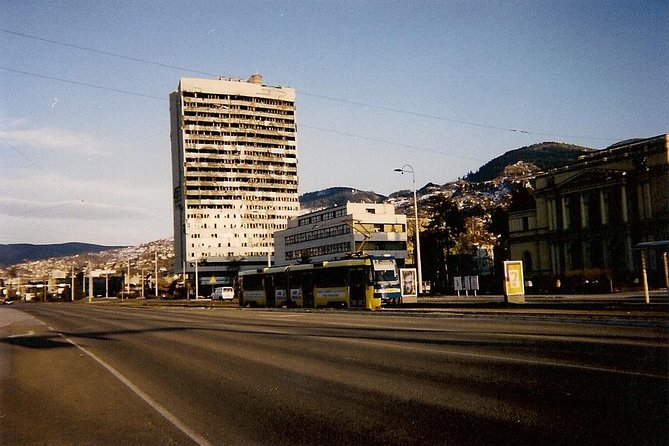
After the cemetery, the tour shifts into pass-by segments through the city center, including several landmarks that carried major meaning during the siege. You’ll go by City Hall, and you’ll also see Markale City Market, Trg Djece Sarajeva, and the Presidency Building.
These are not long lingering stops. They are quick reads on the ground. The value is that your guide connects each location to what happened there, and how destruction or decisions around those buildings affected ordinary people.
Here’s why that matters for you: when a siege is involved, buildings become more than architecture. They become communication nodes, command centers, and symbols that people cling to. City Hall and the Presidency Building are examples of that kind of symbolism, because they represent governance at the exact moment governance was under threat.
Trg Djece Sarajeva is also a strong stop for anyone who likes places with clear meaning. Squares like this often become shorthand for endurance, and the guide’s job is to translate that into a story you can actually picture.
Stadiums and the dual identity of Sarajevo
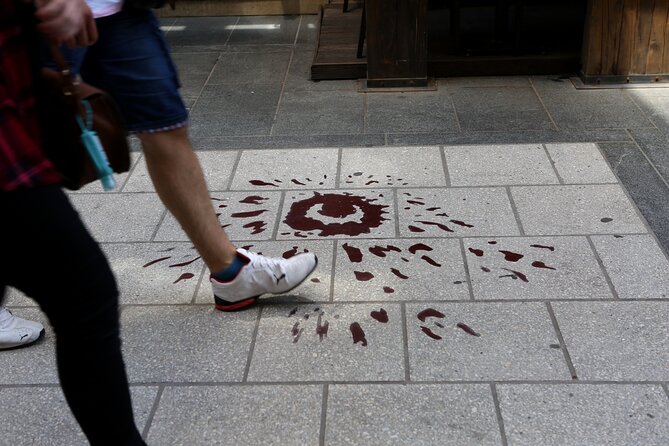
One of the more interesting schedule choices is how the tour treats the city’s sports and big venues. You’ll visit Asim Ferhatovic Hase Stadium, and the tour also connects it with the Olympic Stadium and Hall Zetra, with about 10 minutes for this section.
Why it works: a stadium is usually a place for celebrations, crowds, and noise. During a siege, those same structures can become part of daily survival. When your guide explains the transformation, you see Sarajevo’s dual identity in a way that photographs rarely capture.
This is also a good moment for a short reset. By this point, you’ve had memorial space, cemetery reflection, and city-center symbolism. A sports venue stop gives your mind a different visual while still staying within the siege story.
Maternity hospital stop: medical courage in plain sight
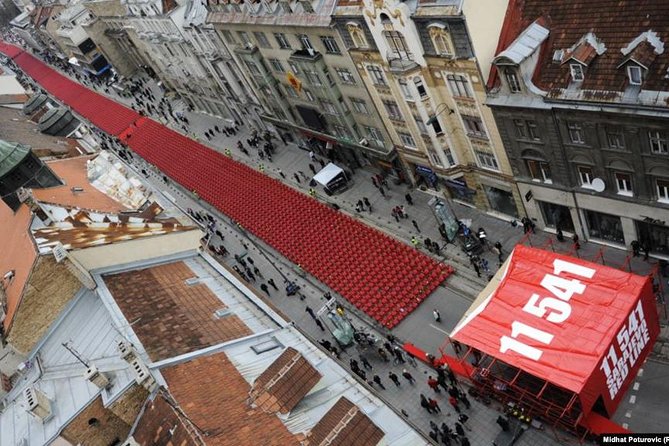
Next comes Sarajevo Maternity Hospital (Klinika za ginekologiju i akušerstvo), again with around 10 minutes. The emphasis is on the heroic efforts of medical staff during the siege.
I appreciate how the tour chooses this kind of site. It prevents the narrative from becoming only military and political. Siege history includes civilians, and it especially includes doctors and nurses trying to do their work under impossible pressure.
This stop also keeps the story balanced. It’s not only about fear and danger. It’s about what people did with the limited resources they had, and how they kept going anyway.
Parliament, Holiday Inn, and the media angle you might miss otherwise
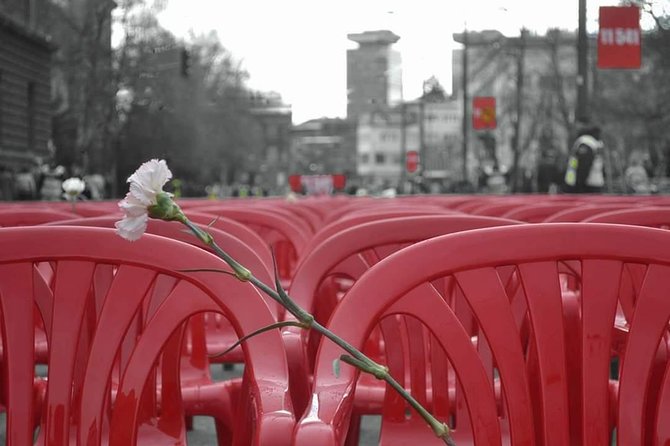
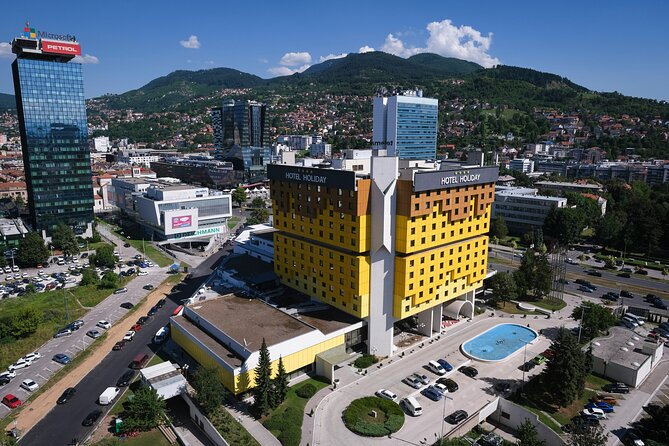
Your route then includes more pass-by landmarks, including Parliament and the Holiday Inn Hotel, tied to wartime journalism and political decisions. It’s an important reminder that sieges are fought with information as well as bullets, and that what gets broadcast can shape both fear and morale.
You also drive past RTV Dom (TV Building), the national TV building that broadcasted during key moments of the war. This part of the tour is especially valuable if you’ve only ever encountered the siege through books or news clippings. Seeing the physical place where broadcasting happened helps the story feel real and immediate.
If you care about the way people communicate under pressure, this media-focused portion is a highlight.
Sniper Alley drive-by: danger shown through location
One of the most discussed moments is Sniper Alley. You’ll drive along this street, noted as the city’s most dangerous street during the siege.
This isn’t meant to scare you for the sake of drama. It’s meant to show you what “danger” meant geographically. Once the guide explains the context, you start to understand why survival was connected to where people stood, walked, and traveled.
The drive-by also keeps the pace safe and practical. You can get the impact of the location without needing to stay out in the street for long.
Olympic hub, then the emotional anchor: Tunnel of Hope Museum
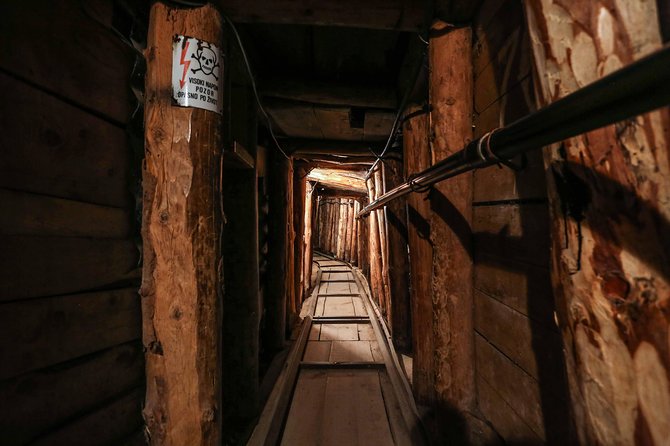
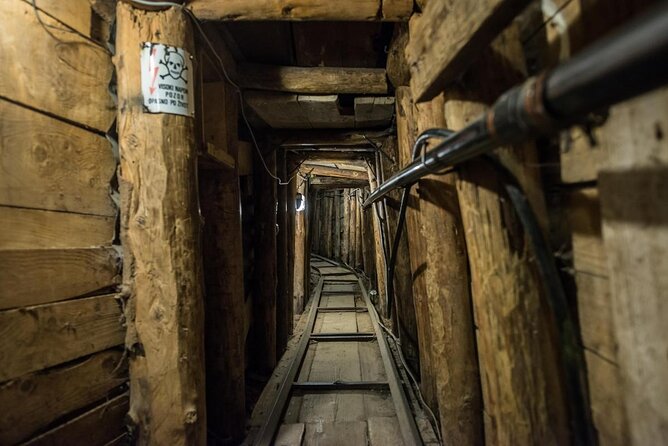
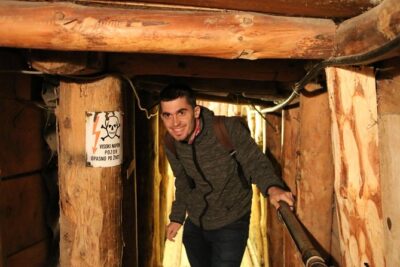
Then comes the main event. You’ll reach the Sarajevo War Tunnel, also known as the Tunnel of Hope Museum, with about 1 hour 15 minutes there.
This is the part I’d plan around if you’re deciding whether to book. The museum isn’t just a set of walls. You learn how the underground passage was constructed, why it was needed, and what it changed for people who relied on it to connect with the outside world. The tour also notes a movie about the siege, which helps fill in the emotional and historical context.
If you’re the type who remembers stories better when you see how people lived, this museum format can really help. The tunnel gives a physical answer to a question you might not fully understand from photos: how did a city stay connected when it was cut off?
This is also where the guide’s style matters most. When a guide has firsthand or lived connection to the period, it often comes through in how they explain not just the tunnel, but what it represented.
And since the Tunnel of Hope ticket is separate, do yourself a favor and budget in advance so you’re not doing mental math mid-day.
Transportation and pacing: why the format works
A big part of the value here is the structure. You get transportation and a guide, but the itinerary still includes the key moments that need you to look up, stop, and think. Short timed segments at viewpoints and memorials prevent the day from feeling like one long lecture.
The group is capped at 20 people, which tends to keep your chances of asking questions higher than on bigger bus tours. It also makes it easier for the guide to adjust pacing if weather turns or if the group needs a little more time at a stop.
The tour is also in English, so if you’re traveling from outside the region and want the explanation to be direct and clear, you’ll likely appreciate that.
Who this tour is best for
This is a great fit if you want:
- A focused Sarajevo siege tour with clear explanations tied to real locations
- The Tunnel of Hope Museum as a core learning goal
- A guide who can bring the events to life with personal detail (Nermin is an example mentioned as a former police officer)
It’s also a good choice if you prefer small-group structure and hate wasting half a day trying to interpret signage yourself.
If you want a relaxed, purely scenic city walk, this is probably not your best match. The subject matter is heavy and the tour is designed to be informative and emotionally grounded.
Should you book Times of Misfortune in Sarajevo?
I’d book it if you care about understanding how siege life worked, not just ticking off landmarks. The combination of city sites, memorial moments, and the Tunnel of Hope Museum creates a clear storyline, and the small group size helps the guide keep things understandable.
Do book with one practical mindset: plan for the Tunnel of Hope museum ticket cost on top of the tour price. Once you account for that, the value is strong for the time, transportation, and licensed guiding.
If you’re visiting Sarajevo and want a tour that gives meaning to what you see, this one is one of the most direct ways to do it.
The Full Bosnia Review Shelf
Sarajevo Siege History, Further Tours
Recently added to the Bosnia and Herzegovina shelf
- Walking Tour in Sarajevo★ 5.0 · 3 reviews
- Travnik, Jajce, Pliva Lakes & Mills –Medieval & Ottoman Bosnia Full Day Tour★ 5.0 · 3 reviews
- Tour of Herzegovina – From Sarajevo★ 5.0 · 3 reviews
- The Siege of Sarajevo Tour★ 5.0 · 3 reviews
- Srebrenica Genocide Tour from Sarajevo★ 4.5 · 3 reviews
- Sarajevo to Zagreb: One-Way Tour via Jajce, Travnik, Pliva Lake and Watermills★ 5.0 · 3 reviews
Sarajevo Siege History Tours, compared.
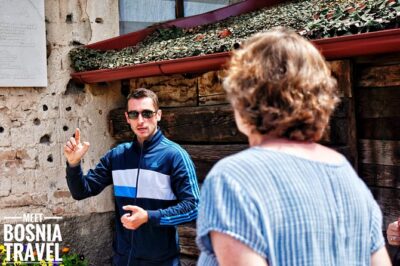 ★ 5.0Fall of Yugoslavia, Sarajevo War Tour with Tunnel of Hope Museum and FrontlinesFrom $361,314 reviews
 ★ 5.0ROSES OF SARAJEVO (Official WAR + CITY tour)- Story of a SurvivorFrom $53770 reviews
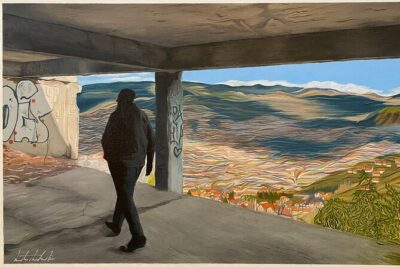
 ★ 5.0Tunnel Museum: Bosnian & Yugoslav Wars Tour with War VeteranFrom $36551 reviews
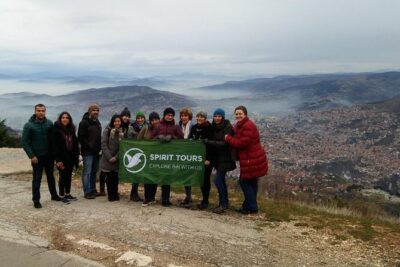
 ★ 5.0Sarajevo War Tour: A Veteran’s Story of the Siege (fees included)From $48326 reviews
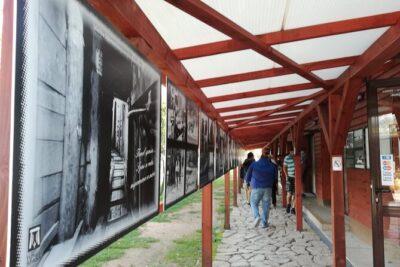
 ★ 5.0Sarajevo 1425 days under the siege – War TourFrom $48170 reviews
 ★ 5.0Tunnel of Hope Tour – Survival and ResilienceFrom $25118 reviews
 ★ 5.0Sarajevo Grand Tour: Old Town, War Tunnel, Olympic Sites & MoreFrom $4773 reviews
 ★ 5.0War Times Experience in Sarajevo – Half Day TourFrom $3561 reviews
Browse the lists this tour appears in