
REVIEW · SARAJEVO SIEGE HISTORY TOURS
SARAJEVO SIEGE TIMES ’92-’95 / Sarajevo Roses & Tunnel of Hope /
You can read a whole siege in the streets. This Sarajevo Siege Times tour (1992-95) strings together key sites and viewpoints, so you understand how the city was shaped by war and survival. Two stops anchor the story: the Yellow Fortress and the Tunnel of Hope.
What I really like is the way the guide explains the geography, not just the dates. I also love the personal edge, with Faruk sharing what he saw as a young teenager, plus his easy sense of humor that helps the group stay human.
One consideration: this is a heavy topic with outdoor walking and good-weather dependence, so come prepared for an emotional day and flexible conditions.
In This Review
- Key things to know before you go
- How the Sarajevo Siege tour flows in half a day
- Yellow Fortress: Sarajevo valley views and the first days of attacks
- The Sarajevo War Tunnel, Tunnel of Hope: the city’s lifeline
- Trebević Vidikovac: a panoramic view break that changes your perspective
- Olympic bobsleigh and luge track: when sports ground became a war line
- Jewish Cemetery: sniper positions and the role of sightlines
- Faruk as a guide: personal testimony, smart pacing, and real emotion
- Price and value for $47.66, plus the Tunnel fee
- Who this Sarajevo Siege tour is best for
- Should you book the Sarajevo Siege Times tour?
- FAQ
- How long is the Sarajevo Siege Times tour?
- What time does the tour start?
- Is pickup available?
- What language is the tour in?
- Is this tour private?
- What is included in the price?
- Do I need to pay extra for the Tunnel of Hope?
- What should I do if the weather is bad?
- What is the cancellation policy?
Key things to know before you go
- Yellow Fortress overlooks Sarajevo valley, letting the guide connect views to wartime positions
- Tunnel of Hope covers the 1993-95 lifeline, when leaving the city meant everything
- Trebević Vidikovac adds a panoramic pause, so you get a breath of open views mid-story
- You’ll walk the Olympic bobsleigh and luge track as a war line, a strange, sobering contrast
- Jewish Cemetery includes sniper-position explanations, focused and direct
- Private group with English guidance and pickup, which makes the experience feel tailored
Further siege history tours in Sarajevo
- Fall of Yugoslavia, Sarajevo War Tour with Tunnel of Hope Museum and Frontlines
★ 5.0 · 1,314 reviews - ROSES OF SARAJEVO (Official WAR + CITY tour)- Story of a Survivor
★ 5.0 · 770 reviews - Tunnel Museum: Bosnian & Yugoslav Wars Tour with War Veteran
★ 5.0 · 551 reviews - Sarajevo War Tour: A Veteran’s Story of the Siege (fees included)
★ 5.0 · 326 reviews
How the Sarajevo Siege tour flows in half a day
This is a 3 to 4 hour, small-group style tour built around five stops that follow the logic of the siege. It starts at 8:30am, and you can get pickup from your hotel or private accommodation, which saves time in a city where getting across town takes longer than it looks on a map. You’ll also get a mobile ticket, so you are not juggling paper on the go.
The pace is tight but doable because each stop is built for learning in short bursts. You are usually dealing with outdoor viewpoints and walking between sites, with a couple of places that offer a steadier view so the guide can do real explaining instead of rushing you through.
If you prefer a calm, day-at-your-own-pace sightseeing plan, this will feel more structured than you might like. But if you want context, orientation, and a clear route through the siege sites, this format works.
Yellow Fortress: Sarajevo valley views and the first days of attacks
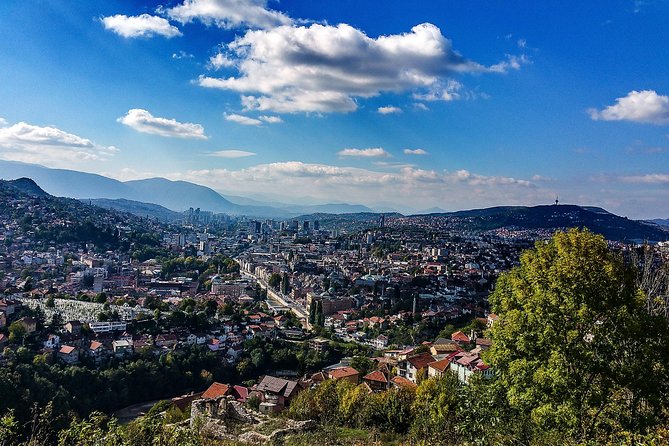
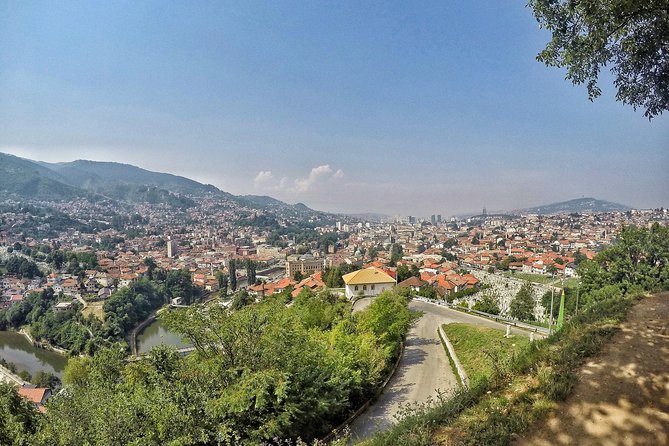
Your first stop is the Yellow Fortress, a high viewpoint over Sarajevo valley. The guide uses this vantage point to explain Sarajevo’s setting and how the city’s shape affected what was possible during the siege. You will also get a focused introduction to what “Siege Times” meant on the ground in daily life.
From there, the story becomes more specific and often more difficult to hear. Expect explanations about the earliest days of city attacks, plus discussion of sniper street cross-sections, basically the idea of where lines of sight and movement mattered most. This is not abstract. It’s about how people lived with danger close by, and how the city’s geography turned into a tool of control.
One detail I find especially important for understanding the siege narrative is the way the tour frames how a single dramatic moment drew worldwide attention but did not stop civilian killing in Sarajevo. Even if you come in knowing the basic headline, this framing helps you grasp why the siege lasted and why the world’s reaction did not change the reality for people inside the city.
Practical tip: wear layers and good shoes. Even in mild weather, viewpoints can feel cooler or windier than lower streets.
The Sarajevo War Tunnel, Tunnel of Hope: the city’s lifeline
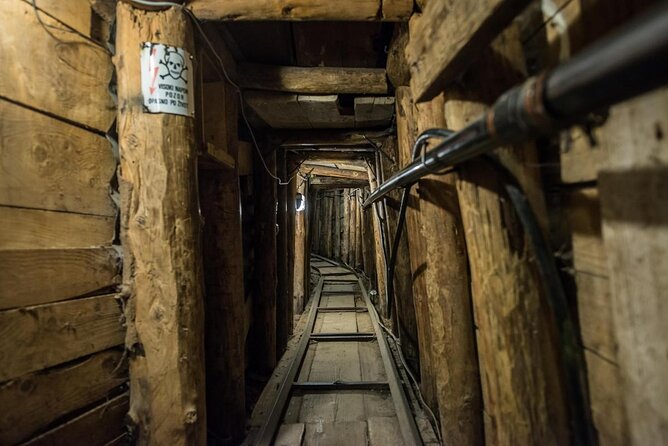
Next comes the Sarajevo War Tunnel, also called the Tunnel of Hope. The tour presents it as the only blood line for Sarajevo during 1993-1995, and it’s described as the one route that connected the city to the rest of Bosnia and the wider world.
This stop is where the story tilts from description into survival logistics. When you think of a siege, it’s easy to imagine it as just being “cut off.” The tunnel turns that idea into something physical and concrete, and it helps you understand what “only way out” really meant for families and supplies.
Timing matters here. You get about 1 hour at this stop, and that is usually enough time to understand the tunnel’s purpose, absorb the explanations, and ask questions without feeling like you are being shoved out.
Important cost note: the Tunnel of Hope entrance fee is €10.00 per person and is not included. Everything else is built around admission tickets being included for the other stops.
If you are someone who likes to connect what you learn to a physical place you can picture, this tunnel is one of the strongest reasons to book this specific route.
Trebević Vidikovac: a panoramic view break that changes your perspective
After the Tunnel, the tour shifts to Trebević Vidikovac, with about 15 minutes there. The goal is not to relax with a pretty photo. It’s to give you a wider view of Sarajevo valley again, but with new context.
This viewpoint helps you connect the dots between what you saw at the tunnel and what you are being shown about the city’s surrounding lines. You can look out and feel, in a practical way, how distance, elevation, and sightlines shaped daily decisions during the siege.
I like this stop because it resets your brain. The earlier parts of the day are heavy and detailed. A short, high-view pause makes the remaining stops easier to process.
Practical tip: keep your phone charged. If the weather turns or clouds roll in, viewpoints can become harder to use for orientation, and you will want at least a few clear moments.
Olympic bobsleigh and luge track: when sports ground became a war line
Then you walk to the Sarajevo Olympic Bobsleigh and Luge Track, where the tour explains how it functioned as a war line during the siege. You get about 50 minutes here, which is the longest stop besides the tunnel.
This part of the tour feels surreal at first. A place that was designed for sport becomes a location tied to military positioning and control. That contrast hits hard because it reminds you that nothing in a city stays “just for leisure” when conflict arrives.
You are not only hearing about history. You are walking the route where those events unfolded, which makes the explanations feel more believable and less like a lecture. If you like learning by moving through space, this is one of the best sections of the day.
Practical tip: this is outdoors, so your weather gear matters. This tour requires good weather, so if the day looks uncertain, dress like you expect wind and sudden changes.
Jewish Cemetery: sniper positions and the role of sightlines
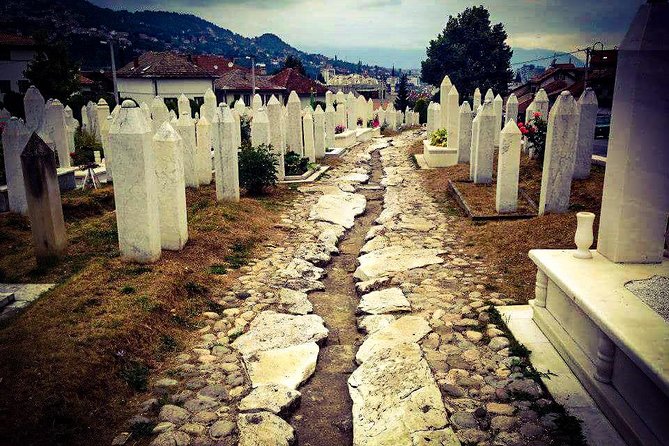
The final stop is the Jewish Cemetery, with about 20 minutes on site. The tour focuses on war sniper positions and includes mention of the first sniper shoots at civilians, explained in context of how attacks were carried out.
This is one of the most direct and emotionally challenging parts of the route. You should expect the guide to stay factual and tied to geography, so you can understand how positioning turned into harm.
I appreciate that the tour doesn’t try to make this light or casual. You are not rushing through with big photo moments. Instead, you get a clear narrative and then the quiet feeling that comes after you understand what that spot was used for.
If you are visiting Sarajevo for the first time and want to understand the siege in a single structured outing, this stop helps complete the picture.
Faruk as a guide: personal testimony, smart pacing, and real emotion
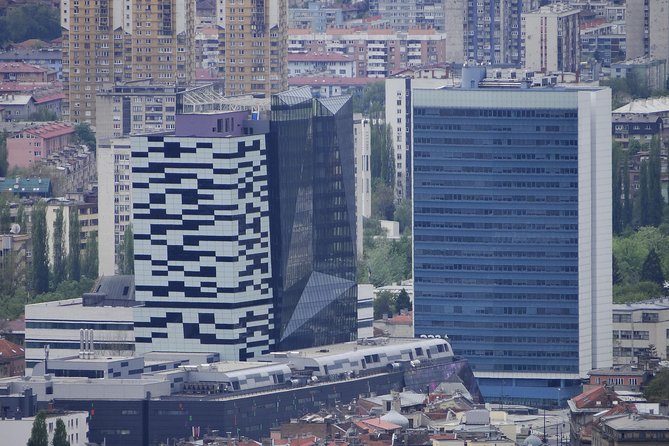
One standout from the experience is the guide’s personal connection. Faruk lived through the war as a young teenager, and he shares what he experienced in a way that stays grounded in the city’s layout. You get a sense that his explanations come from memory, not just a classroom slideshow.
At the same time, the tour is not only heavy. Faruk is described as friendly, intelligent, and able to use a good sense of humor to keep the group balanced. That matters because siege sites can make people shut down, and then the learning does not land.
The pacing also feels thoughtful. The route starts with big-picture orientation at the Yellow Fortress, moves to survival at the tunnel, adds viewpoint context again at Trebević Vidikovac, then shifts to physical war lines at the Olympic track and the sniper-position focus at the cemetery. It’s a logical arc that keeps you oriented even when the topic is grim.
For me, that mix of personal story and clear structure is what turns a tour into a real understanding session.
Price and value for $47.66, plus the Tunnel fee
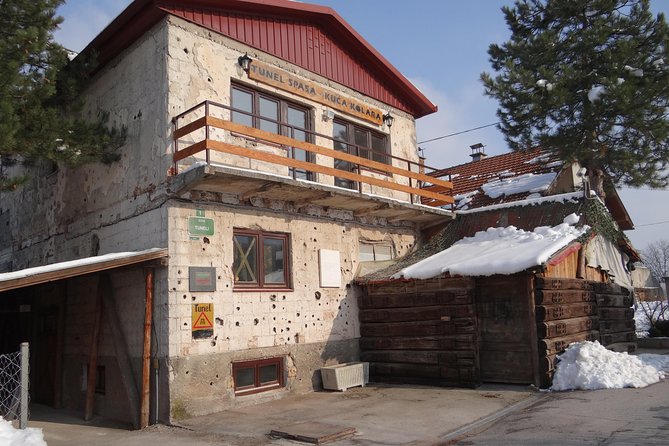
The listed price is $47.66 per person, and it covers admission fees for the main stops on the route. The tour also includes pickup, a mobile ticket, and English guidance, which adds practical value if you are short on time or want to avoid figuring out local transport across Sarajevo.
The main extra cost to plan for is the €10.00 per person Tunnel of Hope entrance fee. Since Tunnel is the centerpiece stop that anchors the siege narrative, you should treat that as part of the true total cost, not a surprise add-on.
For what you get, I think the pricing is fair if your priority is a guided route through the siege sites. You are not just buying tickets to one museum. You are paying for interpretation, orientation, and a sequence of stops that explains geography step by step.
If you are the type of traveler who already knows the basics and prefers self-guided browsing, then the cost might feel less appealing. But if you want your first Sarajevo Siege day to make sense quickly, this route is a strong value.
Who this Sarajevo Siege tour is best for
This tour fits best if you want a guided introduction to the Sarajevo Siege Times (1992-95) and the city’s wartime geography. If you like history explained through places you can stand in, you will enjoy how the viewpoints and the war lines connect. It’s also a good choice if you want a private tour feel, since it’s private and only your group participates.
It can also suit most travelers, since it’s described as usable by most people. That said, you should expect an outdoor walking component and emotional content. If you need a gentle, celebratory sightseeing day, this may not be the right match.
It’s also smart for first-time visitors who do not want to spend a day piecing together where the siege happened. The tour gives you a coherent route instead of scattered stops.
Should you book the Sarajevo Siege Times tour?
I’d book this if you want your Sarajevo visit to include real context, not just photos. The Yellow Fortress viewpoint, the Tunnel of Hope, and the explanations of sniper positioning and war lines help you understand how a city can be surrounded in practical, geographic ways.
I’d think twice if you dislike emotionally heavy topics or you know you will struggle with outdoor conditions if the weather turns. Since the tour requires good weather, you should dress for the elements and be ready to adjust if plans change.
If you do book, do one thing that makes a big difference: come with a basic idea of the siege years, then let the guide do the connecting. This is the kind of tour where the order of stops matters, and it helps you get your bearings fast.
FAQ
How long is the Sarajevo Siege Times tour?
The tour lasts about 3 to 4 hours.
What time does the tour start?
The start time is 8:30am.
Is pickup available?
Yes. Pickup is offered from hotels or private accommodations. You just need to share your hotel name or accommodation address.
What language is the tour in?
The tour is offered in English.
Is this tour private?
Yes. It is a private tour/activity, with only your group participating.
What is included in the price?
Admission fees are included, and the tour offers a mobile ticket.
Do I need to pay extra for the Tunnel of Hope?
Yes. The Tunnel of Hope entrance fee is €10.00 per person and is not included.
What should I do if the weather is bad?
This experience requires good weather. If it is canceled due to poor weather, you’ll be offered a different date or a full refund.
What is the cancellation policy?
You can cancel for free up to 24 hours in advance for a full refund. If you cancel less than 24 hours before the experience starts, the amount paid is not refunded.
The Full Bosnia Review Shelf
Sarajevo Siege History, Further Tours
Recently added to the Bosnia and Herzegovina shelf
- Walking Tour in Sarajevo★ 5.0 · 3 reviews
- Travnik, Jajce, Pliva Lakes & Mills –Medieval & Ottoman Bosnia Full Day Tour★ 5.0 · 3 reviews
- Tour of Herzegovina – From Sarajevo★ 5.0 · 3 reviews
- The Siege of Sarajevo Tour★ 5.0 · 3 reviews
- Srebrenica Genocide Tour from Sarajevo★ 4.5 · 3 reviews
- Sarajevo to Zagreb: One-Way Tour via Jajce, Travnik, Pliva Lake and Watermills★ 5.0 · 3 reviews
Sarajevo Siege History Tours, compared.
 ★ 5.0Fall of Yugoslavia, Sarajevo War Tour with Tunnel of Hope Museum and FrontlinesFrom $361,314 reviews
 ★ 5.0ROSES OF SARAJEVO (Official WAR + CITY tour)- Story of a SurvivorFrom $53770 reviews
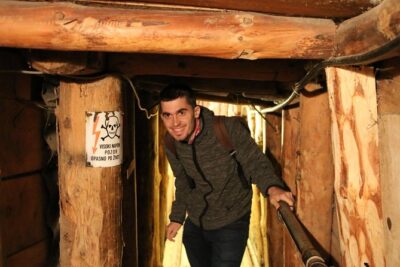 ★ 5.0Tunnel Museum: Bosnian & Yugoslav Wars Tour with War VeteranFrom $36551 reviews
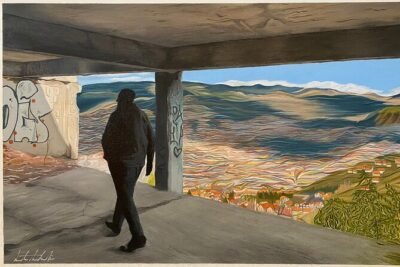 ★ 5.0Sarajevo War Tour: A Veteran’s Story of the Siege (fees included)From $48326 reviews
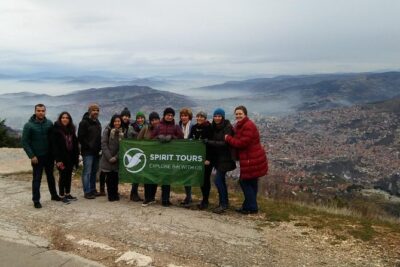 ★ 5.0Sarajevo 1425 days under the siege – War TourFrom $48170 reviews
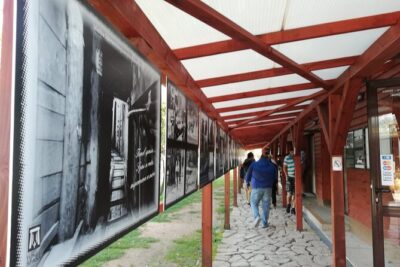 ★ 5.0Tunnel of Hope Tour – Survival and ResilienceFrom $25118 reviews
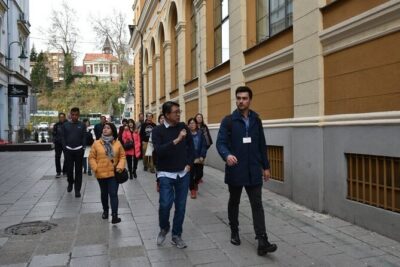 ★ 5.0Sarajevo Grand Tour: Old Town, War Tunnel, Olympic Sites & MoreFrom $4773 reviews
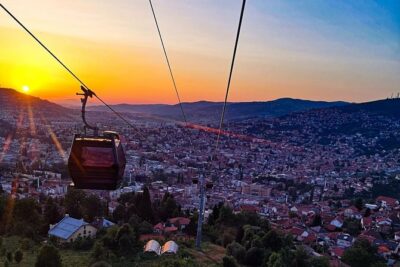 ★ 5.0War Times Experience in Sarajevo – Half Day TourFrom $3561 reviews
Browse the lists this tour appears in