
REVIEW · SARAJEVO SIEGE HISTORY TOURS
Inside the Siege: Sarajevo’s Story of Survival
Sarajevo’s siege stories hit hard. This 2 to 3 hour small-group tour turns the facts of the siege into human-scale moments as you move through the city with local guide Adis Hamzic and see sites tied to daily survival.
What I like most is the way you get real context while still walking away with clear takeaways, especially at the Tunnel of Hope area. I also love the group size, max 16, which makes questions feel normal, not rushed. One thing to consider is that the Tunnel of Hope Museum entry is not included, so you’ll want to budget extra cash on-site.
If you want a Sarajevo experience that goes beyond a drive-by glance, this is it. You ride and stop at major landmarks connected to the siege, and your guide makes the story make sense, from the city’s geography to the politics and the civilian toll.
In This Review
- Key things that make this tour worth it
- Why This Siege Tour Feels Human, Not Just Educational
- Price That Makes Sense for a Guided, Air-Conditioned Route
- Meeting Point and Timing: An Afternoon Plan That Fits Most Schedules
- The Yellow Fortress: Panoramic Views With Siege Logic
- The City as a Memorial: Massacres, the Fight to Protect, and a Cemetery Stop
- Asim Ferhatovic Hase Stadium: Olympic Grounds Turned Wartime Burial
- Sniper Alley: Understanding Targeted Streets
- Presidency Building: Political Power in Wartime
- Tunnel of Hope: How Sarajevo’s Secret Lifeline Worked
- The Scenic Return Drive: Final Views to Reset Your Eyes
- What Adis Hamzic Does Especially Well
- Group Size, Vehicle Comfort, and What to Expect When It’s Small
- Practical Tips So You Get the Most From Each Stop
- Who This Tour Is Best For (And Who Might Want a Different Fit)
- Should You Book Inside the Siege, Sarajevo’s Story of Survival?
- FAQ
- How long is the Inside the Siege Sarajevo tour?
- What does the tour include, and what costs extra?
- Where does the tour start, and what time is it?
- How big is the group?
- Is the tour offered in English?
- Can I cancel, and are service animals allowed?
Key things that make this tour worth it
- Guided storytelling that blends facts with lived perspective, led by Adis Hamzic
- A small max group size (16), so you can ask questions without shouting in a bus
- Tunnel of Hope access time built in, with the museum fee paid separately
- Multiple siege-linked sites in a tight route, including sniper-target streets and the Presidency area
- A cemetery and memorial stop that keeps the focus on those who died, including children
- Olympics to wartime reality, with an unexpected stop at the Asim Ferhatovic Hase Stadium
Further siege history tours in Sarajevo
- Fall of Yugoslavia, Sarajevo War Tour with Tunnel of Hope Museum and Frontlines
★ 5.0 · 1,314 reviews - ROSES OF SARAJEVO (Official WAR + CITY tour)- Story of a Survivor
★ 5.0 · 770 reviews - Tunnel Museum: Bosnian & Yugoslav Wars Tour with War Veteran
★ 5.0 · 551 reviews - Sarajevo War Tour: A Veteran’s Story of the Siege (fees included)
★ 5.0 · 326 reviews
Why This Siege Tour Feels Human, Not Just Educational
Sarajevo has a talent for being both beautiful and wounded. This tour leans into that contrast, but it does it with care. You are not just seeing where something happened. You’re learning why those places mattered, and how the siege shaped the city’s daily rhythm.
I like that the guide’s approach stays grounded. The story moves from the big picture to the personal. You hear how survival worked in real terms, like where supplies could move and what the city had to endure. It also helps that the tour is led in English, so you can actually follow the nuance and ask follow-ups on the moments that stick with you.
Price That Makes Sense for a Guided, Air-Conditioned Route
At $54.22 per person for about 2 to 3 hours, the value comes from what’s included, not just the headline price. You get air-conditioned vehicle transport and a professional local guide with deep command of Sarajevo’s war history.
The one cost that may catch people off guard is the Tunnel of Hope Museum ticket, which is not included. The museum fee is listed as €10 per person, paid separately on-site in local currency. If you plan for that up front, the tour still looks like solid value, because it packages multiple major stops into one organized afternoon with time to absorb each place.
Meeting Point and Timing: An Afternoon Plan That Fits Most Schedules
The tour starts at 1:00 pm at Mula Mustafe Bašeskije 65, Sarajevo 71000. You end back at the same meeting point, which keeps logistics simple after an emotionally heavy day.
You should expect a mix of viewpoints and short on-foot segments. The pace is designed to cover several key siege sites in one go. It’s also the kind of timing that works if you’re staying in the old town area and want to make the afternoon purposeful.
The Yellow Fortress: Panoramic Views With Siege Logic
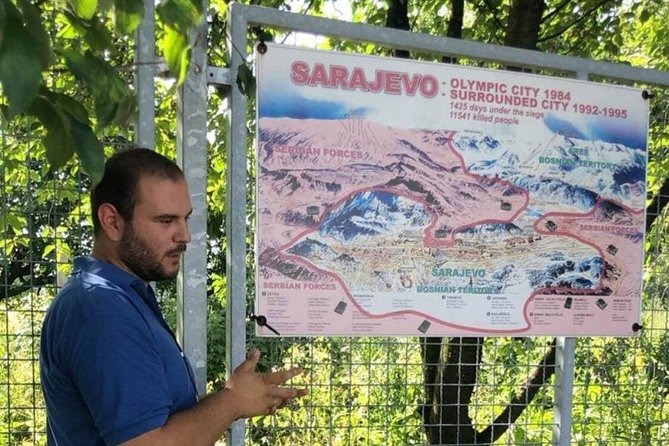
Your first major stop is the Yellow Fortress, with a panoramic overlook over Sarajevo and the siege front lines. This is one of those places where geography matters, because Sarajevo is not flat. From height, distances and sightlines become easier to understand, and you get a visual grip on why certain areas were vulnerable.
Admission there is free, and the stop is about 15 minutes, which is just enough time to see the view and hear the explanation without turning it into a long detour. What you’ll take away is the way the siege turned ordinary streets, neighborhoods, and routes into part of the conflict. The guide ties the landscape to daily danger, which makes later stops hit harder.
The City as a Memorial: Massacres, the Fight to Protect, and a Cemetery Stop
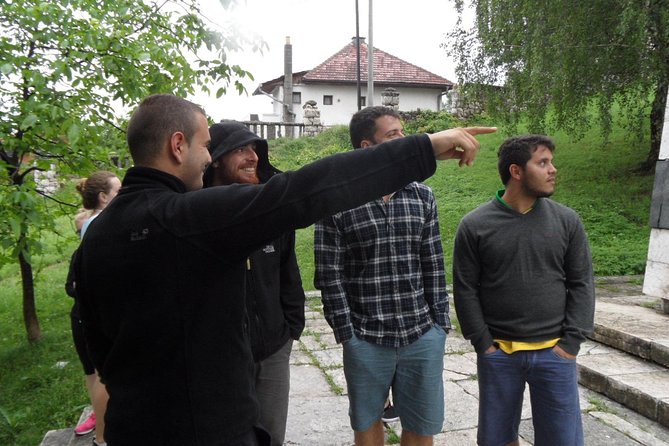
As you move through the next sequence of stops, the tour shifts from viewpoint to remembrance. You visit resting places for those who fought to protect the city, and you also see sites connected to tragic civilian massacres during the siege.
This part of the tour matters because it keeps the story from becoming abstract. You’re reminded that the siege was not only battles and strategy. It was families losing home, people losing time, and a city doing its best under constant pressure.
Asim Ferhatovic Hase Stadium: Olympic Grounds Turned Wartime Burial
One of the most striking stops is the Asim Ferhatovic Hase Stadium. It hosted the 1984 Winter Olympics, but parts of it were later used as a cemetery during the war. That contrast is the emotional point here. The guide uses the setting to show how quickly normal life can be reshaped by violence.
The stop also connects to the number of children killed during the siege, including 1,601 children honored as part of this memorial focus. Even if you only spend about 10 minutes there, the context tends to stay with you because the place forces you to reconcile history you might have heard in a distant way with what it meant on the ground.
Sniper Alley: Understanding Targeted Streets
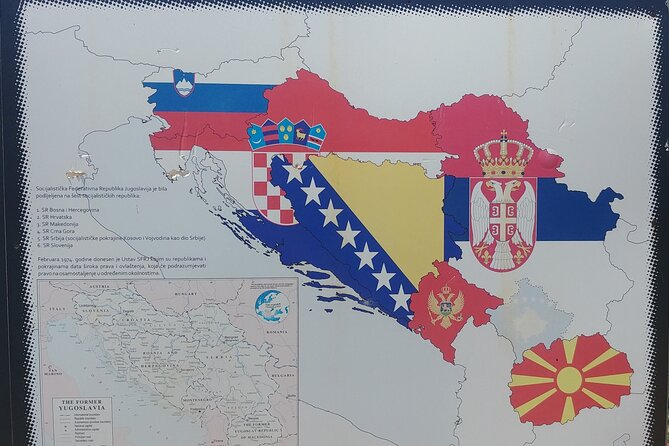
Next comes Sniper Alley, described as one of the most dangerous streets during the war and targeted by sniper fire. This is where the tour earns its keep as a guided experience.
On your own, you might walk through a street and see only buildings. With the explanation, you start thinking about angles, cover, movement, and the ordinary acts that became risky. The guide frames it so you understand not just that snipers existed, but how the city’s design and daily habits were affected.
Presidency Building: Political Power in Wartime
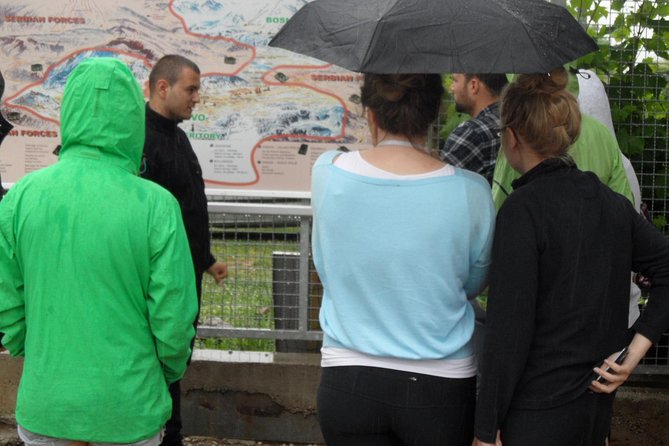
You then reach the Presidency Building, described as a political center during the war and an important historical site. This stop helps you connect the siege to governance and decision-making.
If you only focus on the human tragedy, you can miss how conflict is driven by institutions and power. This portion helps you see how Sarajevo’s political center carried weight even during breakdown. It also gives you a better sense of why certain places were guarded, targeted, or symbolically significant.
Tunnel of Hope: How Sarajevo’s Secret Lifeline Worked
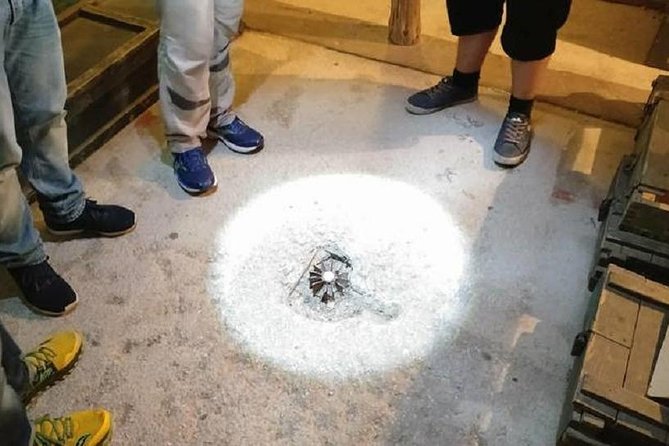
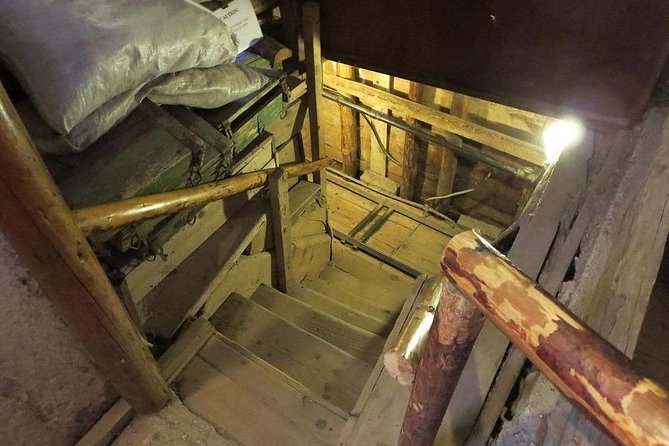
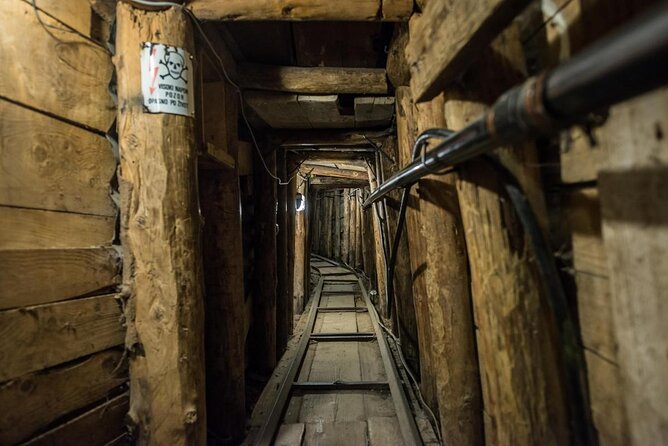
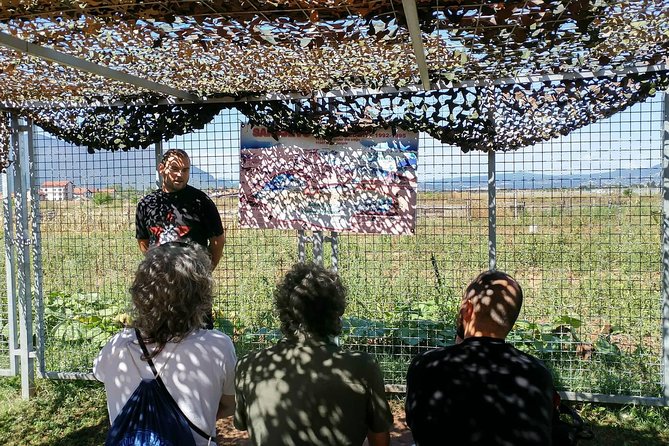
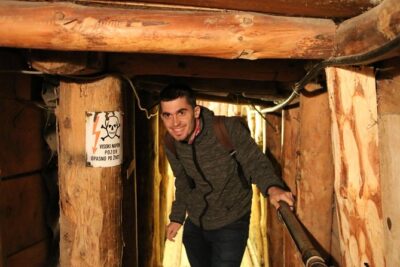
No siege tour in Sarajevo feels complete without the Tunnel of Hope area. Here you get around 50 minutes at Tunnel of Salvation and the Tunnel of Hope Museum.
This is described as Sarajevo’s secret lifeline, used for smuggling supplies and supporting survival. In a guided format, that’s not just a dramatic story. You learn why a tunnel could change daily survival. You also learn how secrecy, logistics, and courage played out in a place most outsiders would never guess existed.
The museum entrance fee is not included. Plan for it so you’re not scrambling at the last minute. Once inside the museum area, the time helps you take in the story rather than just getting a quick photo and moving on.
The Scenic Return Drive: Final Views to Reset Your Eyes
After the tunnel stop, you do a panoramic drive as a scenic return route with a final breathtaking view of Sarajevo.
This part is useful, not trivial. The siege story is heavy, and the drive gives you a moment to let the scale of the city sink in again. It’s also a practical transition. You’re moving from memorial and survival details into a calmer visual sweep of the city.
What Adis Hamzic Does Especially Well
This tour is strongly associated with Adis Hamzic, and the impact shows up in the way the story is delivered. From the style of his guidance, you can expect a mix of clarity and personality. The tone stays respectful, but it doesn’t become stiff or lecture-like.
A standout theme is how easy it is to ask questions. That matters because siege history is full of details people want to understand, like timelines, local perspectives, and how different parts of Sarajevo connected. Having the chance to ask follow-ups turns the tour into something you own, not something you merely attend.
The tour experience also includes an assistant guide in some cases, and that can add a different lens to the same material. In practice, it means you still get depth without feeling like you’re trapped in one rigid viewpoint.
Group Size, Vehicle Comfort, and What to Expect When It’s Small
This tour limits the group to a maximum of 16. In real terms, that’s big enough to find a balance between having company and avoiding the overcrowded chaos that ruins good questions.
Some departures run with very small groups, which can feel almost like a private tour. One practical note: when groups are small, the vehicle can feel tight if you’re seated close together. If you’re tall or you dislike close quarters in a car, it’s worth mentally preparing for a snug ride, especially if your group is larger than just a couple of people.
Practical Tips So You Get the Most From Each Stop
A few simple choices can make a big difference on a tour like this:
- Bring something for photos, but also be ready to pause. Memorial stops ask for a slower pace.
- Wear comfortable shoes. Even when stops are short, you’ll still be moving around.
- Budget €10 per person for the Tunnel of Hope Museum ticket. The fee is paid separately on-site.
- Have a couple of questions ready about what you’re seeing, especially at the sniper and fortress viewpoints. The guide’s format is designed for Q and A.
Who This Tour Is Best For (And Who Might Want a Different Fit)
This is a strong match if you want:
- A guided walk-and-drive way to understand Sarajevo’s siege sites in a single afternoon
- Local perspective with enough context to connect the places
- A smaller group experience where conversations are possible
It may not be the best fit if you want a light, casual city tour. This one deals with civilian suffering and memorials, including massacres and children’s deaths. If you’re looking for a purely scenic Sarajevo day, you might prefer a different kind of sightseeing.
That said, if you come with openness and respect, the tour gives you a structured way to understand a difficult chapter of history without getting lost in dates and disconnected facts.
Should You Book Inside the Siege, Sarajevo’s Story of Survival?
If you’re short on time and you want the siege story in a coherent route, book it. The combination of key sites, a focused tunnel experience, and a guide who makes complex material understandable makes this a high-value way to see Sarajevo beyond the postcards.
Pay attention to the only extra cost, the Tunnel of Hope Museum fee. If you’re comfortable with that one add-on and you’re ready for a meaningful, sometimes heavy afternoon, this tour is one of the best ways to truly understand what Sarajevo endured and how the city remembers.
FAQ
How long is the Inside the Siege Sarajevo tour?
It lasts about 2 to 3 hours, depending on how the stops and timing work that day.
What does the tour include, and what costs extra?
The tour includes an air-conditioned vehicle and a professional local guide. Tunnel of Hope Museum entrance is not included, and the listed fee is €10 per person paid on-site in local currency.
Where does the tour start, and what time is it?
The tour starts at Mula Mustafe Bašeskije 65, Sarajevo 71000, Bosnia and Herzegovina at 1:00 pm, and it ends back at the meeting point.
How big is the group?
The experience has a maximum group size of 16 travelers.
Is the tour offered in English?
Yes, it is offered in English.
Can I cancel, and are service animals allowed?
The experience has free cancellation, and you can cancel up to 24 hours in advance for a full refund. Service animals are allowed, and the tour is near public transportation and is suitable for most travelers to participate.
The Full Bosnia Review Shelf
Sarajevo Siege History, Further Tours
Recently added to the Bosnia and Herzegovina shelf
- Walking Tour in Sarajevo★ 5.0 · 3 reviews
- Travnik, Jajce, Pliva Lakes & Mills –Medieval & Ottoman Bosnia Full Day Tour★ 5.0 · 3 reviews
- Tour of Herzegovina – From Sarajevo★ 5.0 · 3 reviews
- The Siege of Sarajevo Tour★ 5.0 · 3 reviews
- Srebrenica Genocide Tour from Sarajevo★ 4.5 · 3 reviews
- Sarajevo to Zagreb: One-Way Tour via Jajce, Travnik, Pliva Lake and Watermills★ 5.0 · 3 reviews
Sarajevo Siege History Tours, compared.
 ★ 5.0Fall of Yugoslavia, Sarajevo War Tour with Tunnel of Hope Museum and FrontlinesFrom $361,314 reviews
 ★ 5.0ROSES OF SARAJEVO (Official WAR + CITY tour)- Story of a SurvivorFrom $53770 reviews
 ★ 5.0Tunnel Museum: Bosnian & Yugoslav Wars Tour with War VeteranFrom $36551 reviews
 ★ 5.0Sarajevo War Tour: A Veteran’s Story of the Siege (fees included)From $48326 reviews
 ★ 5.0Sarajevo 1425 days under the siege – War TourFrom $48170 reviews
 ★ 5.0Tunnel of Hope Tour – Survival and ResilienceFrom $25118 reviews
 ★ 5.0Sarajevo Grand Tour: Old Town, War Tunnel, Olympic Sites & MoreFrom $4773 reviews
 ★ 5.0War Times Experience in Sarajevo – Half Day TourFrom $3561 reviews
Browse the lists this tour appears in