
REVIEW · BOSNIAN FOOD, COFFEE & COOKING TOURS
Bosnian Cooking Lessons
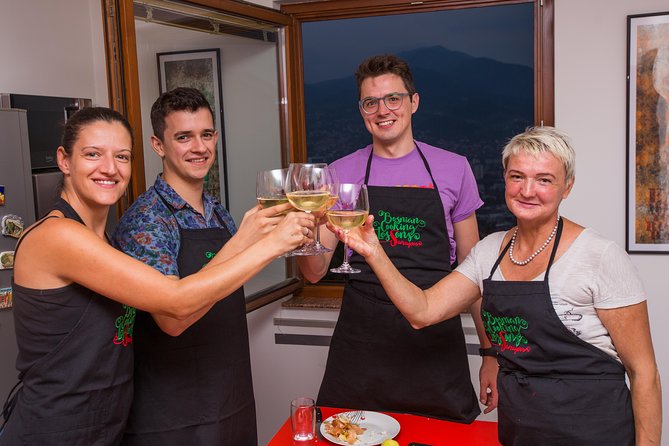
Burek dough is harder than it looks. In this Sarajevo cooking class, I like the hands-on instruction from chef guides, and I also love that wine is part of the lesson and the meal. One thing to consider, though, is that alcohol is included, so if you avoid wine or drink very little, you’ll want to ask about what to do before you go.
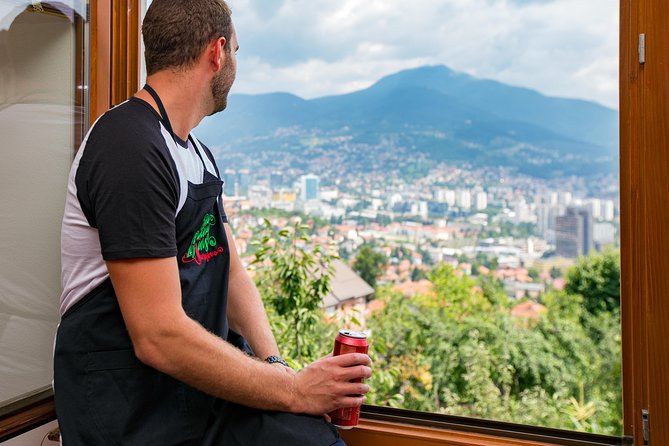
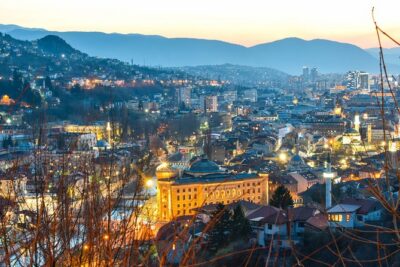
You start with a welcome drink, meet the hosts, and take in a panoramic view of Sarajevo before your hands start moving. The class stays small, with a maximum of 13 people, and it leans toward real learning: you make dishes together, then eat what you cooked.
Timing is friendly, but plan it like a real afternoon activity: the class starts at 2:30 pm and runs about 4 hours, and you’ll finish back where you started.
In This Review
- Key highlights to plan around
- Sarajevo’s welcome drink, then straight to the work
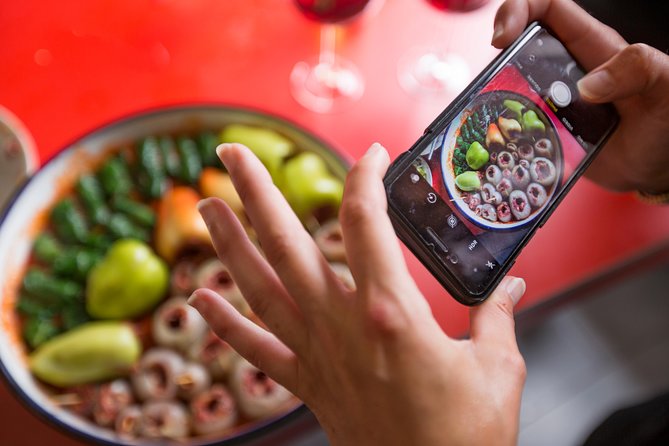
- Part I dishes: Sogan dolma, japrak, and paprika dolma
- Sogan dolma (onions filled with minced meat, rice, and spices)
- Japrak (mangel or spinach leaves rolled with minced meat, rice, and spices)
- Paprika dolma (paprika filled with minced meat, rice, and spices)
- Part II: Burek phyllo dough and the wine-fueled calm
- The seasonal filling (potatoes, meat, or cheese)
- Hands-on work with guidance
- Dinner, questions, and the recipes you can actually use
- Price, group size, and what makes it good value
- Who this suits best
- Who should think twice
- Should you book Bosnian Cooking Lessons in Sarajevo?
- FAQ
- What time does the Bosnian Cooking Lessons start?
- How long is the cooking class?
- What dishes will I learn to make?
- Is there a vegetarian or vegan option?
- What is included in the price?
- Where do I meet, and does it end there too?
- Can I cancel for a full refund?
Key highlights to plan around
- A small group cooking class (max 13), focused on doing, not just watching
- Wine and soft drinks included while you learn classic dough and filling techniques
- Two-part menu that covers recognizable Bosnian staples
- Hands-on guidance from Mersiha and Mustafa through the tricky steps
- Food you make becomes your dinner, with plenty of time to ask questions
- Vegan and vegetarian options available on request
Still hungry? More Bosnian tables and coffee houses
- Bosnian Cooking Lessons
★ 5.0 · 269 reviews - Private Walking Tour, Food Tasting and Bosnian Coffee in Sarajevo
★ 5.0 · 255 reviews - Sarajevo: 4-Hour Food And Craft Tour
★ 5.0 · 70 reviews - Delicious Sarajevo: Eat, Walk & Discover City Tour
★ 4.5 · 37 reviews
Sarajevo’s welcome drink, then straight to the work
You’ll meet at Skendera Kulenovića (71000 Sarajevo), with a start time of 2:30 pm. The flow is simple and relaxed: you arrive, get a welcome drink (coffee or tea is offered), and you’re introduced to the people leading the class. There’s also time for that Sarajevo viewpoint moment, which is a nice mental reset before you start cooking.
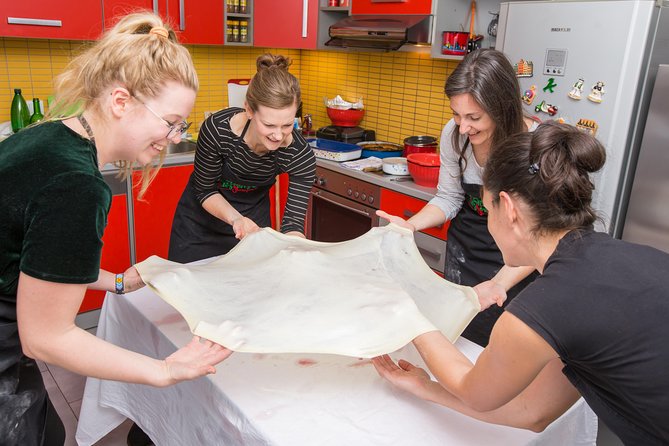
The class is set up like you’re joining a home kitchen for an afternoon, not like a demo where you watch someone else work. That matters, because the skills you want from a cooking class are the ones you can repeat at home. Here, you’ll handle ingredients, shape rolls, and work with phyllo dough, with help when your technique needs it.
One practical note: the home area can feel like it’s up the hill compared to the city center. If you’re walking from central Sarajevo, plan for a longer uphill trek (one guest reported about a 40-minute walk each way). If you’d rather not deal with that, you’ll likely find it easiest to coordinate your arrival to match the class timing rather than wandering mid-lesson.
Part I dishes: Sogan dolma, japrak, and paprika dolma
The class is built in two parts, and Part I is all about rolled-and-stuffed flavors. You’ll learn how to combine minced meat with rice and spices, then use that mixture in three different ways. Even if you’re new to Balkan cooking, this is a smart structure: you learn the core filling, then you practice three different wraps.
Sogan dolma (onions filled with minced meat, rice, and spices)
You start with sogan dolma, onions stuffed with a meat-rice-spice filling. This is one of those dishes that teaches patience. Onions need careful handling so the layers cooperate and the filling stays where it belongs. It’s also a great dish for learning seasoning, because the filling is doing most of the work.
What I like here is that you get a practical mental model you can reuse: filling first, then “how the wrapper behaves” second. If you ever try making stuffed vegetables at home, that idea is gold.
Japrak (mangel or spinach leaves rolled with minced meat, rice, and spices)
Next comes japrak, made with mangel or spinach leaves rolled and filled. Leaf-rolling has a learning curve, and you’ll get gentle guidance during the shaping. The host team helps you understand how tight the roll should be and how to keep it intact.
This part matters because it teaches consistency. Once you’ve made a few rolls, you stop guessing and start repeating good form. That’s the moment a cooking class becomes more than a fun afternoon.
Paprika dolma (paprika filled with minced meat, rice, and spices)
Then you move to paprika dolma, where the filling goes into paprika. It’s a different texture challenge than leaves or onion, and that variety makes the class feel like real cuisine, not a single trick repeated three times.
If you’re planning to cook at home later, paprika dolma is often the easiest one to translate into your own kitchen, because it doesn’t require delicate leaf wrapping. You also get a feel for how flavors change when the vegetables and filling meet.
Part II: Burek phyllo dough and the wine-fueled calm
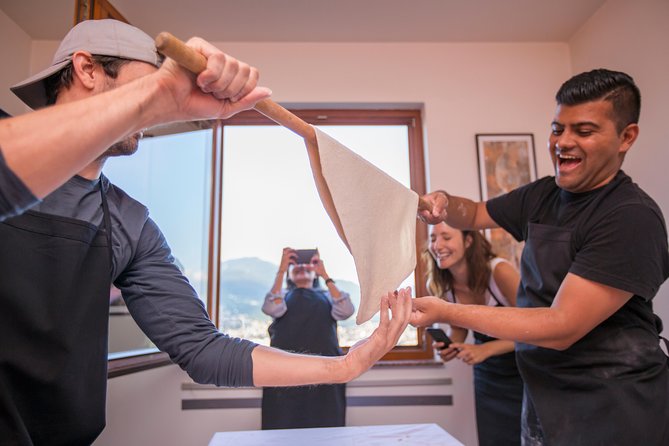
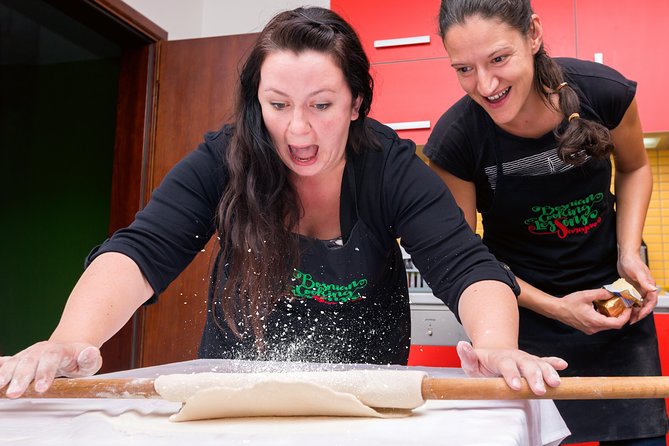
After Part I, the class turns toward the showstopper: burek. This is where the lesson earns its keep. Phyllo dough is thin and unforgiving, and the technique depends on staying calm enough to stretch it and roll it without tearing.
Here’s something the class emphasizes: wine is served during the experience, and the idea is that stretching burek dough takes a relaxed, brave hands mindset. I get it. Even if you’re not chasing a buzz, the social energy helps. You’re learning a fiddly craft, and stress makes it harder.
The seasonal filling (potatoes, meat, or cheese)
For the burek phase, the phyllo dough is rolled with potatoes, meat, or cheese, depending on the season. That means the exact version you make could differ from what you might be used to. But the core skill stays the same: working the dough and building the roll so it bakes up right.
If you have dietary preferences, note that vegan and vegetarian options are available on request. The exact substitution isn’t stated, so bring your needs up clearly at booking or when you arrive, especially if you avoid all meat products.
Hands-on work with guidance
This is not a sit-and-smile class. You’ll shape, assemble, and work with the dough. One of the most common small wins people feel after is understanding why burek is considered a craft. Even when you do your best, you’ll learn where it can tear or fold and how to fix it mid-move with help from the chef guide.
Dinner, questions, and the recipes you can actually use
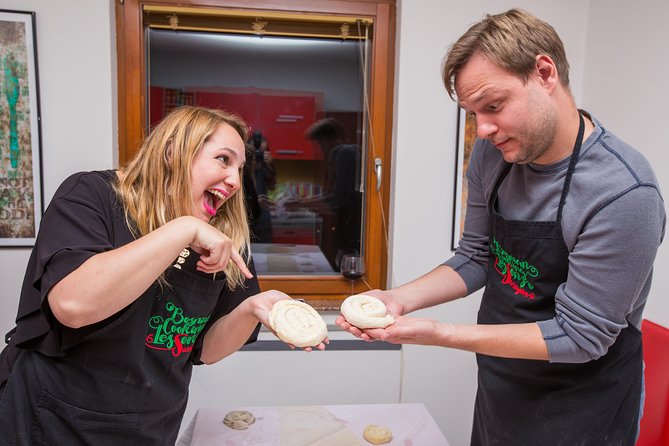
Once you finish cooking, you eat the food you made together. Included in the class is dinner, along with coffee and/or tea, plus the alcoholic beverages and soft drinks served during the lesson. This setup is good value for two reasons.
First, the meal is part of the payment, not an optional add-on. Second, you get to taste your own handiwork right away, which makes it easier to remember what worked and what you’d adjust next time.
The class also gives you time to ask questions after the cooking. That’s when I find a lot of the useful detail shows up: how to handle spice balance, how to think about dough timing, and how to adjust portions when cooking for a smaller or bigger household.
And you don’t just leave with a full stomach. You should expect to receive recipes and step-by-step videos afterward, plus photos taken during the class if you’d like that sort of souvenir. For solo travelers in particular, having the hosts take photos can feel like someone is making sure your trip has a visual memory beyond food plates.
Price, group size, and what makes it good value
At $96.79 per person for about 4 hours, this class is priced like a premium cultural experience, but it’s also anchored in real inclusions: you get the meal, drinks, and direct instruction. The portion that most affects value is that you’re not just learning theory. You’re making multiple dishes, eating them, and leaving with recipes you can follow later.
The group size cap of 13 travelers matters too. In a big class, you might get stuck waiting for help. Here, it’s small enough that hosts can notice when your rolls are too loose or when dough handling needs a quick adjustment.
Who this suits best
This is a strong pick if:
- You want hands-on Bosnian cooking rather than a tasting only
- You like learning with a guide who also chats about food and daily life
- You want a Sarajevo activity that feels local and welcoming
It’s also a good choice for couples or small groups. Sharing the kitchen workload makes it social without turning it into a loud party.
Who should think twice
If you strictly avoid alcohol, this one needs a little extra planning, because wine is part of the experience format and is served while you learn. Also, if you’re expecting a glass-of-water-only class, the included drinks may not match what you prefer.
Finally, private transportation is not included. The class ends back at the meeting point, so make sure your plan accounts for getting there and back without scrambling once you finish.
Should you book Bosnian Cooking Lessons in Sarajevo?
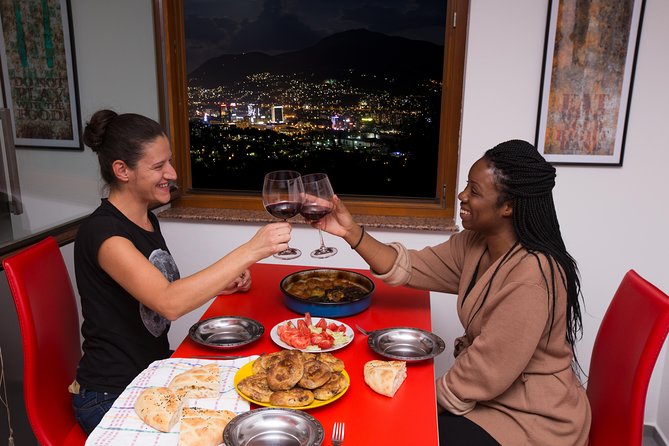
Yes, if you want a genuine Sarajevo food skill session that ends with dinner and take-home recipes. The biggest reason to book is the mix of real technique (rolls, stuffing, phyllo) and real comfort (wine, coffee or tea, and hosts who help you through the fiddly parts). If you’re the type who likes to cook later, this class gives you more than a memory.
I’d pass or at least message ahead if alcohol is a hard no for you, or if you’re only interested in a quick tasting. But if you’re curious about Bosnian staples like sogan dolma, japrak, paprika dolma, and burek, and you want to leave knowing how to make them, this is one of those practical cultural experiences that pays off long after Sarajevo.
FAQ
What time does the Bosnian Cooking Lessons start?
The experience starts at 2:30 pm.
How long is the cooking class?
It lasts about 4 hours.
What dishes will I learn to make?
The class covers sogan dolma, japrak, paprika dolma, and burek using phyllo dough with fillings like potatoes, meat, or cheese depending on the season.
Is there a vegetarian or vegan option?
Yes. Vegan and vegetarian options are available on request.
What is included in the price?
The price includes dinner, coffee and/or tea, and alcoholic beverages.
Where do I meet, and does it end there too?
You meet at Skendera Kulenovića, 71000 Sarajevo, and the activity ends back at the meeting point.
Can I cancel for a full refund?
Yes, you can cancel for a full refund up to 24 hours in advance of the experience start time.
The Full Bosnia Review Shelf
Bosnian Food and Coffee, More Tastings
Recently added to the Bosnia and Herzegovina shelf
- Walking Tour in Sarajevo★ 5.0 · 3 reviews
- Travnik, Jajce, Pliva Lakes & Mills –Medieval & Ottoman Bosnia Full Day Tour★ 5.0 · 3 reviews
- Tour of Herzegovina – From Sarajevo★ 5.0 · 3 reviews
- The Siege of Sarajevo Tour★ 5.0 · 3 reviews
- Srebrenica Genocide Tour from Sarajevo★ 4.5 · 3 reviews
- Sarajevo to Zagreb: One-Way Tour via Jajce, Travnik, Pliva Lake and Watermills★ 5.0 · 3 reviews
Bosnian Food, Coffee & Cooking Tours, compared.
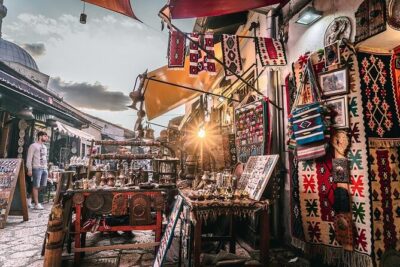 ★ 5.0Private Walking Tour, Food Tasting and Bosnian Coffee in SarajevoFrom $66255 reviews
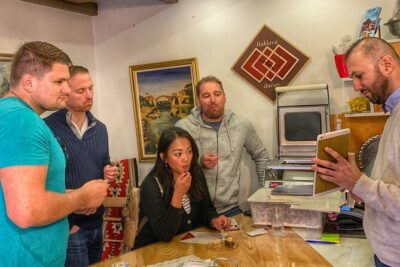 ★ 5.0Sarajevo: 4-Hour Food And Craft TourFrom $6070 reviews
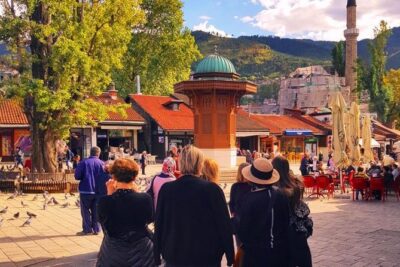 ★ 4.5Delicious Sarajevo: Eat, Walk & Discover City TourFrom $6837 reviews
 ★ 4.5Eat, Pray, Love TourFrom $3632 reviews
 ★ 5.0Traditional Bosnian Cooking Class in Mostar with Lunch and DrinksFrom $9016 reviews
 ★ 4.5Ultimate Gastro ExperienceFrom $5814 reviews
 ★ 5.0Sarajevo Uncovered: Old Town Tour with Coffee and Food TastingFrom $3412 reviews
 ★ 5.0Mostar gastro and historical treasures6 reviews
Browse the lists this tour appears in