
REVIEW · BOSNIAN FOOD, COFFEE & COOKING TOURS
Traditional Bosnian Cooking Class in Mostar with Lunch and Drinks
Flour on your fingers is the point. In Mostar, this traditional Bosnian cooking class has you cook classic dishes and then eat a proper 3-course meal. You get an English-speaking guide, a rakija welcome drink, and hands-on instruction for recipes like dolma and burek.
I especially like two things. First, the class is truly hands-on, so you knead, roll, stuff, and season instead of just watching. Second, the vibe is practical and relaxed, with guides like Amina taking you step-by-step until you feel confident.
One thing to consider is logistics: there’s no hotel pickup, and the class starts at the scheduled time at Food House Mostar, Rade Bitange 12. If you arrive late or miss the start, you can end up starting mid-flow.
In This Review
- Key Points Before You Go
- Where It Starts: Food House Mostar and a Rakija Welcome
- The 3-Hour Flow: Intro, Cooking Lesson, Then You Eat
- What You’ll Cook in Mostar: Mezze, Japrak, Dolma, and Classic Dough
- The Meal You Make: Bosnian 3-Course Lunch or Dinner
- Drinks, Age, and What’s Included
- English Guide, Small Group, Real Instruction
- Techniques That Make This More Than a Food Tasting
- Culture at the Table: Food, Stories, and Context
- Price and Value: What You’re Really Paying For
- Who Should Book This Mostar Cooking Class
- Should You Book This Traditional Bosnian Cooking Class in Mostar?
- FAQ
- How long is the Bosnian cooking class in Mostar?
- What dishes will we make and eat?
- Is lunch or dinner included?
- What drinks are included, and are there age limits?
- Where do I meet, and is hotel pickup included?
- Is the class offered in English?
- Can I cancel for a full refund?
Key Points Before You Go
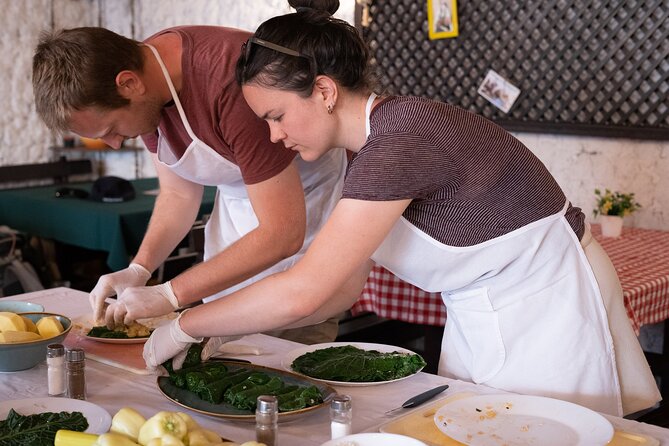
- Hands-on cooking, including rolling dough techniques and stuffing skills
- Dolma and Japrak focus, with burek technique showing up in many sessions
- 3-course lunch or dinner of what you cook, plus wine or beer
- Rakija welcome drink to get you in the Bosnian rhythm early
- Small group size (maximum 20) keeps things manageable
- English-speaking guide, with an option for different languages by request
Still hungry? More Bosnian tables and coffee houses
- Mostar gastro and historical treasures
★ 5.0 · 6 reviews - Mostar Guided Tour & Sweet Delights
★ 5.0 · 3 reviews
Where It Starts: Food House Mostar and a Rakija Welcome
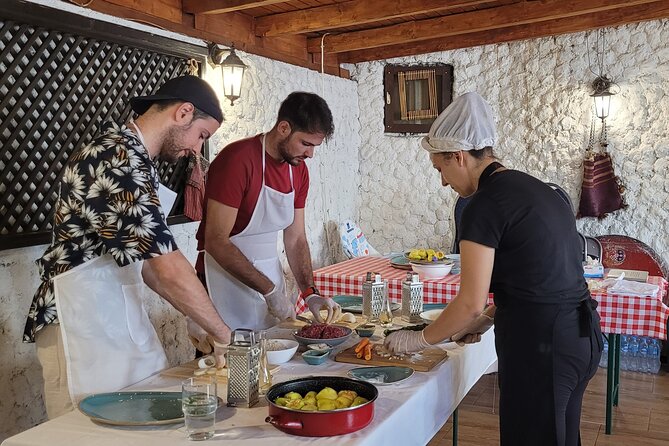
Your class meets at Food House Mostar, at Rade Bitange 12 in Mostar. Plan for a kitchen-style experience, not a formal classroom. You’ll be welcomed with a rakija drink, which is the Bosnian way of saying, let’s get this going.
If you’re thinking of pairing this with sightseeing, build in real time first. Mostar’s old town streets are easy to wander, but you still need to show up on time to get the full lesson flow. Since there’s no pickup, I recommend you aim to arrive a little early and settle your bearings fast.
The kitchen setup is a commercial kitchen, with the spices, tools, and ingredients you need. That matters because you do not have to hunt around town for hard-to-find items just to take home a working recipe.
The 3-Hour Flow: Intro, Cooking Lesson, Then You Eat
The experience runs about 3 hours, and it follows a simple rhythm. You start with an intro, then get an entree part of the meal, then move into the cooking lesson. After that, you eat what you cooked, and the session ends back at the meeting point.
This structure is one of the reasons I like this class for short trips. You get movement, instruction, and food without the stress of a full-day plan. It also keeps your brain from getting tired halfway through, since the cooking and eating are built into the schedule.
Your guide leads the steps in English. And you’re not just sampling. You’re actively making dishes, which is the difference between a tasting and a real cooking class.
What You’ll Cook in Mostar: Mezze, Japrak, Dolma, and Classic Dough
This class centers on Bosnian specialties you can actually recognize and cook again later. A sample menu includes a bosnian mezze platter as a starter, japrak and dolma as mains, and hurmasice for dessert.
In real life, sessions like this often rotate dishes within the same family of flavors and techniques. In past classes at this kitchen, you may also work with stuffed vegetables and pastry work, like rolling dough with traditional thin rolling pins and filling it the Bosnian way. The key takeaway is the technique. Once you understand the method, you can adapt the stuffing and shape to what you like.
Here’s why these dishes are such a good learning target:
- Dolma and japrak teach you the logic of stuffing and rolling, not just one specific recipe.
- Mezze gives you context on how Bosnian meals start, with small plates and flavors that balance the heavier mains.
- Desserts like hurmasice show how Bosnian sweetness is built, often with syrupy textures and warm spices.
If your goal is to bring home more than a souvenir, cooking these is a strong choice. Most visitors leave Mostar with photos. You’ll leave with skills.
The Meal You Make: Bosnian 3-Course Lunch or Dinner
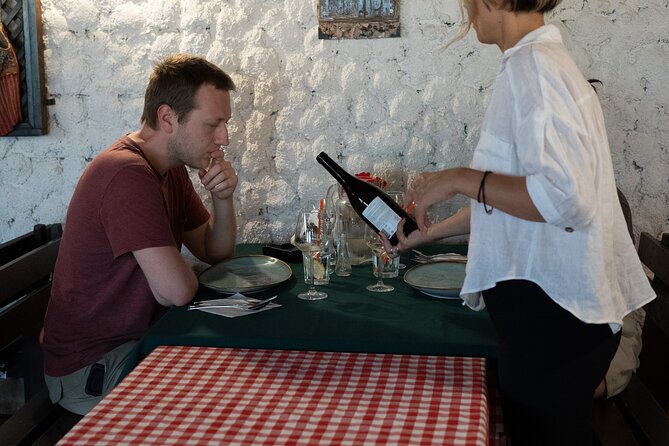
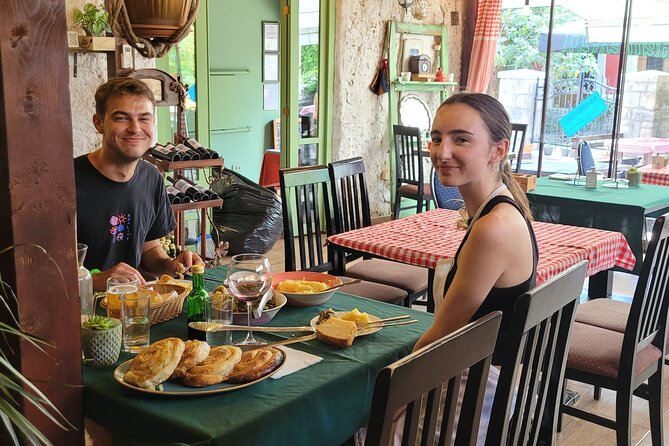
After the cooking lesson, you sit down and eat a 3-course lunch or dinner made from your work. The meal includes local wine or beer, and it’s part of the experience package.
This is a smart setup. You get to taste for balance and seasoning right after you’ve cooked, which helps the lesson stick. It also means you’re not standing around hungry while other people eat. Your hands cook, then your hands relax.
Also keep in mind what you do with leftovers. Some sessions have allowed guests to pack remaining food to take along for later. If that’s something you care about, it’s worth asking on the day, so you don’t assume it will happen automatically.
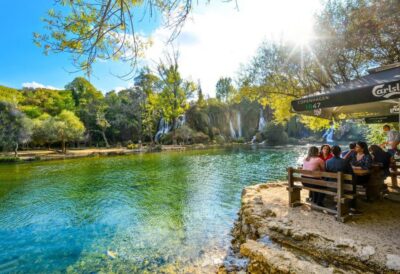
Drinks, Age, and What’s Included
You get a rakija welcome drink when you arrive. During the meal, the inclusions are local wine or beer. Additional beverages are not included, so if you’re planning extra drinks, budget for them.
There’s a minimum drinking age of 18, and the minimum age for the experience is 9. If you’re traveling with mixed ages, you can still enjoy the cooking and meal, but alcohol will be handled under that rule.
One practical tip: pace your drinks the way a local meal would be paced. This class is about cooking and eating together, so it’s easier to enjoy everything if you don’t rush the rakija.
English Guide, Small Group, Real Instruction
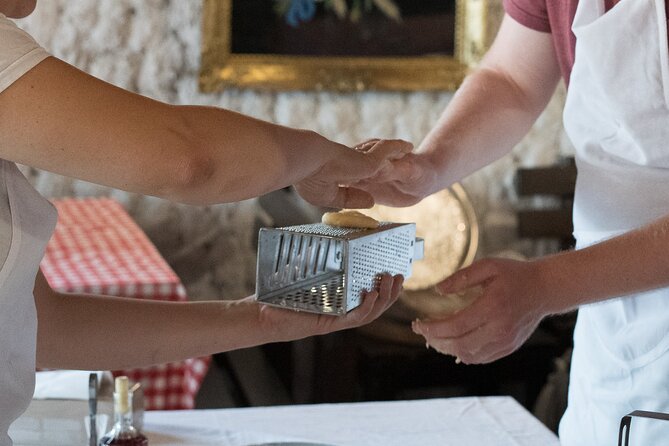
The experience includes an English-speaking guide. You can also request that it be operated by a multi-lingual guide, so if you’re not comfortable with full English explanations, it’s worth asking during booking.
Group size is capped at 20 travelers. That’s big enough to have energy, but small enough that you still get attention when you’re rolling dough or stuffing carefully. In classes like this, that matters more than people expect. When your fingers are learning something new, you want quick feedback.
A big theme from the teaching style is patience. You work at your own pace, and the guide encourages you to try each step yourself. I also like that this is not an overly strict, only-watch-it format. Your participation is the product.
Techniques That Make This More Than a Food Tasting
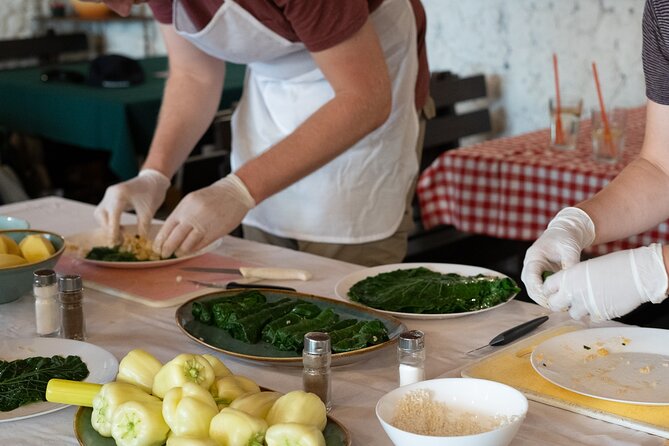
Some cooking classes give you a few bites and a photo. This one teaches technique, especially around dough handling and stuffing.
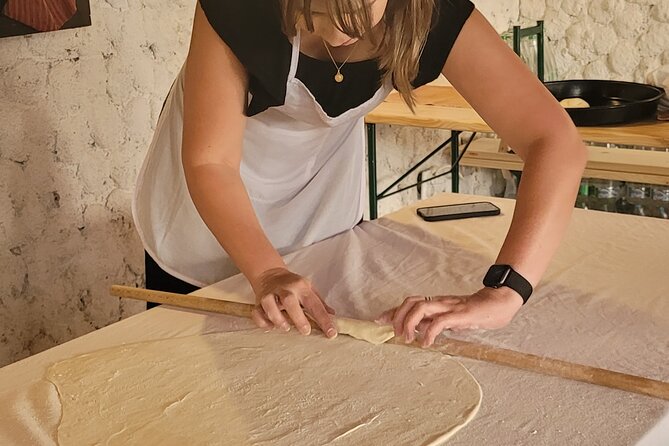
In particular, guides here may show you how to roll dough using a long, thin rolling pin in the Bosnian style. When you feel the difference between thick and even dough, you understand why burek and similar pastries come out differently. Even if your first attempt looks a little lopsided, the method is what you’re taking home.
Then there’s stuffing. Stuffed dishes are not just about taste. They’re about portions, sealing, and how tightly you fill without tearing. Once you learn that, you can cook beyond just what’s on the menu.
And yes, you still get to eat. But the lesson is the real souvenir.
Culture at the Table: Food, Stories, and Context
Food in Bosnia is not only flavor. It’s also identity, and sometimes history shows up in conversation.
One thing I appreciate about this kind of class is that guides can be candid if you ask about Bosnia’s past. In at least one case, the guide shared real stories and took questions seriously when asked. You should not expect a lecture, but you can expect human conversation if you’re curious.
If you want a purely cooking-focused experience, you can keep it that way. If you want cultural context, this format gives you a natural opening: food questions lead to bigger themes.
Price and Value: What You’re Really Paying For
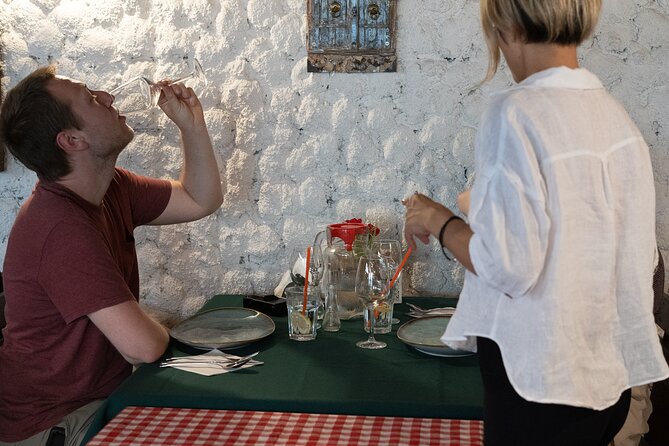
At $90.11 per person, this isn’t a cheap snack tour. But it is a lot more than a guided meal.
You’re paying for:
- A traditional cooking class in a commercial kitchen
- An English-speaking guide who teaches technique
- A rakija welcome drink
- A 3-course lunch or dinner that includes wine or beer
- Ingredient access and tools, so you can cook without prep work
For value, the big question is simple: do you want to cook, or do you want to eat? If you want to cook, this price starts making sense fast because it includes the full meal plus instruction. If you mainly want a place to sit down and eat, you might decide it’s more cost than you need.
To get the best value, show up hungry and ready to participate. You’ll get the most out of it when you treat the class like practice, not like a performance.
Who Should Book This Mostar Cooking Class
This class is a great fit if you:
- Love hands-on food experiences, not just sightseeing
- Want a practical skill you can repeat at home
- Like traditional dishes such as dolma, japrak, and burek-related pastry techniques
- Are traveling with a small group or as a couple, since the size is limited
It’s also a smart option for rainy hours or for when you want something grounded in everyday life rather than museums.
You might skip it if you:
- Hate cooking or feel uncomfortable working with dough
- Want a self-guided activity with zero structure
- Plan to arrive late or you’re unsure how to reach the meeting point
Should You Book This Traditional Bosnian Cooking Class in Mostar?
I’d recommend booking if you want a memorable Mostar experience that turns into a home-cooked reality. The big selling points are hands-on instruction, a menu that teaches real Bosnian classics like dolma and japrak, and the payoff meal you eat right after cooking.
If your schedule allows, pick the morning or afternoon departure that best matches your day. And when you book, confirm the exact start time shown for your session, then plan to arrive at Food House Mostar a bit early since there’s no pickup.
If you’re excited to roll dough, stuff fillings, and sit down to a full meal you made yourself, this is one of the most practical ways to spend a few hours in Mostar.
FAQ
How long is the Bosnian cooking class in Mostar?
The experience lasts about 3 hours.
What dishes will we make and eat?
You’ll cook and eat Bosnian dishes including a starter such as a bosnian mezze platter, mains such as japrak and dolma, and dessert such as hurmasice. Specific dishes can vary by session, but these are part of the provided menu.
Is lunch or dinner included?
Yes. The experience includes lunch or dinner, based on the scheduled departure time you choose.
What drinks are included, and are there age limits?
You receive a rakija welcome drink. The 3-course meal includes local wine or beer. The minimum age for the experience is 9, and the minimum drinking age is 18.
Where do I meet, and is hotel pickup included?
You meet at Food House Mostar, Rade Bitange 12, Mostar 88104, Bosnia and Herzegovina. Hotel pickup and drop-off are not included, and the activity ends back at the meeting point.
Is the class offered in English?
Yes, it includes an English-speaking guide. A multi-lingual guide may be operated by request.
Can I cancel for a full refund?
Yes. Free cancellation is allowed up to 24 hours before the experience starts for a full refund.
The Full Bosnia Review Shelf
Bosnian Food and Coffee, More Tastings
Recently added to the Bosnia and Herzegovina shelf
- Pocitelj City Tour★ 4.5 · 3 reviews
- Mystical Sutjeska National Park★ 5.0 · 3 reviews
- Mostar Guided Tour & Sweet Delights★ 5.0 · 3 reviews
- All Inclusive Neretva Rafting, Day Tour from Mostar★ 5.0 · 4 reviews
- Authentic Medjugorje Tour★ 4.0 · 4 reviews
- From Split: Private Guided Mostar & Kravica Waterfall Tour★ 5.0 · 4 reviews
Bosnian Food, Coffee & Cooking Tours, compared.
 ★ 5.0Bosnian Cooking LessonsFrom $96269 reviews
 ★ 5.0Private Walking Tour, Food Tasting and Bosnian Coffee in SarajevoFrom $66255 reviews
 ★ 5.0Sarajevo: 4-Hour Food And Craft TourFrom $6070 reviews
 ★ 4.5Delicious Sarajevo: Eat, Walk & Discover City TourFrom $6837 reviews
 ★ 4.5Eat, Pray, Love TourFrom $3632 reviews
 ★ 4.5Ultimate Gastro ExperienceFrom $5814 reviews
 ★ 5.0Sarajevo Uncovered: Old Town Tour with Coffee and Food TastingFrom $3412 reviews
 ★ 5.0Mostar gastro and historical treasures6 reviews
Browse the lists this tour appears in