
REVIEW · SREBRENICA MEMORIAL TOURS
Sarajevo to Srebrenica: Genocide Study Tour with War Veteran
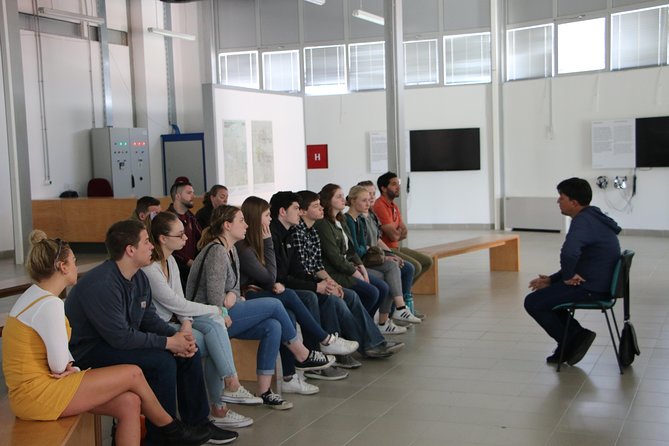
Srebrenica is one of Europe’s hardest days. This Sarajevo-to-Srebrenica tour mixes direct human stories with expert context about the collapse of Yugoslavia, so you leave with more than facts. You also get comfortable air-conditioned transport plus a smooth rhythm for a long drive.
I especially like the way the day starts with a simple welcome: water and a traditional Bosnian sausage sandwich right at pickup. I also like that the memorial visits are guided with care, including time in the museum at the Srebrenica Genocide site and storytelling that connects events to what you’re seeing in front of you.
The main downside is that this is heavy, emotionally draining history. Plan for mental stamina, because you’ll get a lot to absorb in a single day, and some topics are bound to feel unsettling.
In This Review
- Key things I’d highlight before you go
- Sarajevo to Srebrenica begins with an 8:00 a.m. handoff
- The drive through Eastern Bosnia is part of the lesson
- The Museum of Srebrenica Genocide: battery factory to multimedia memory
- Potocari’s memorial room and cemetery: names, numbers, and unanswered questions
- Lunch in Srebrenica and the ghost-town feeling
- Price and comfort: what $82.84 buys on a 10-hour day
- Should you book this Srebrenica genocide study tour?
- FAQ
- What time does the Sarajevo to Srebrenica tour start, and how long is it?
- Where do I meet the tour in Sarajevo, and is pickup available?
- Is the tour offered in English, and how big is the group?
- What food and drinks are included?
- Are there admission fees for the memorial stops?
- Can I cancel for free?
Key things I’d highlight before you go
- Morning start, big drive: An 8:00 a.m. departure from Sarajevo, with about 2.5 hours each way to reach Eastern Bosnia.
- Museum in the former battery factory: A striking setting used by UN forces during the war, now home to a major genocide museum experience.
- Guided, story-based context: On the road, the guide links the fall of Yugoslavia to what happened later in Srebrenica.
- Memorial room and cemetery time: You hear victim stories attributed to a local journalist, and you visit a cemetery where the number of identified victims keeps increasing.
- Small group size: Maximum 12 travelers, which tends to make hard questions feel more workable.
- Lunch stop in Srebrenica: Expect time for lunch in a place that feels like a ghost town.
Other Srebrenica memorial visits we have written up
- From Sarajevo: Srebrenica Genocide Memorial Study Tour
★ 5.0 · 359 reviews - Sarajevo to Srebrenica: Genocide Study Tour with War Veteran
★ 5.0 · 131 reviews - Understanding Srebrenica Genocide Tour + Lunch with Local Family Included
★ 5.0 · 123 reviews - Understanding Srebrenica Genocide – Day tour from Sarajevo
★ 5.0 · 35 reviews
Sarajevo to Srebrenica begins with an 8:00 a.m. handoff
Your day starts early, around 8:00 a.m. This tour meets at Velika avlija Laure Papo Bahorete 2 in Sarajevo, and pickup is available from all locations in the city (if you’re outside the Old Town, pickup is especially helpful). You’ll also have a mobile ticket, which keeps things simple that morning.
I like that the organizers don’t treat this like a rushed bus trip. Before you hit the road, you get a short introduction, plus bottled water and a traditional Bosnian sausage sandwich. There’s a vegetarian option if you request it. That matters because the day is long, and the memorial sites take real focus.
Practical note: wear comfortable shoes and plan to sit for a lot of hours. The transport is an air-conditioned car or minivan, and the itinerary is structured to keep the day moving without feeling chaotic.
The drive through Eastern Bosnia is part of the lesson
This is not just sightseeing. The road trip is used as time to set the stage for what you’ll see in Srebrenica.
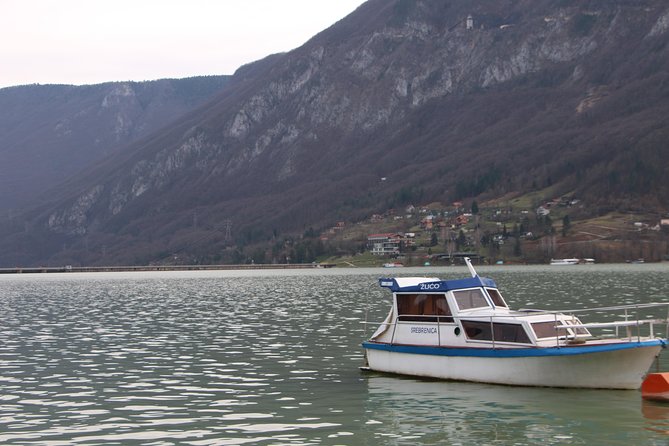
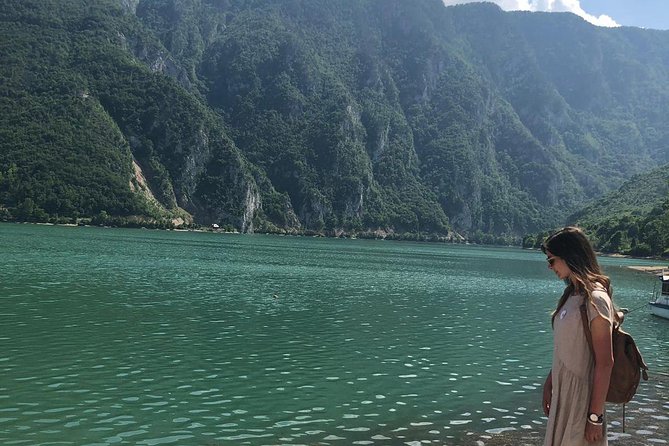
You’ll travel through a desolate mountainous area with scenery that helps the region feel real, not abstract. But the real purpose is the guide’s presentations on the fall of Yugoslavia, since understanding that chain of events is crucial to making sense of Srebrenica.
I like that this “why it happened” framing comes before the memorials. When you reach the major sites, your brain already has a structure for the story, instead of trying to assemble it on the spot.
Also, this is a tour designed for English speakers, so you’ll get the context without having to piece it together yourself from guidebooks at the worst possible time to scramble for information.
The Museum of Srebrenica Genocide: battery factory to multimedia memory
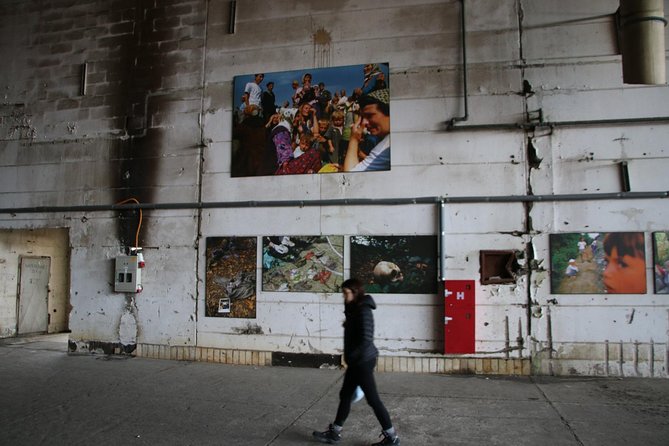
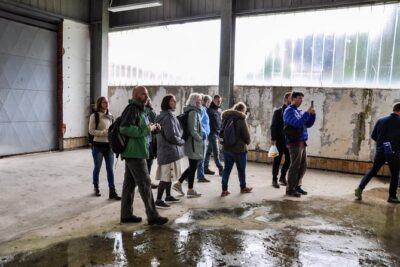
One of the most memorable parts is where you start at the Srebrenica Genocide Memorial area, in front of a battery factory. During the war, it was used by UN forces, and today it houses the “Museum of Srebrenica Genocide.”
The setting alone is powerful. Factories tend to represent industry, work, normal life. Here, the space is repurposed as a place of testimony, memory, and documentation. It’s a reminder of how quickly ordinary structures can become instruments of war.
Inside, you’ll have multimedia facilities with movies that explain events that led up to the worst atrocity in Europe since World War II. I like that this museum doesn’t rely only on big banners and dates. It uses different formats to help you track both the timeline and the human consequences.
A standout detail: you meet the curator. That kind of access can make the museum feel less like a one-way presentation and more like a serious attempt at preservation. Since you’re with a guide, you’re also more likely to notice what matters most, instead of getting swallowed by the sheer amount of information.
Admission is listed as free for the scheduled memorial museum time, which is a nice value add for such a major stop.
Potocari’s memorial room and cemetery: names, numbers, and unanswered questions
After the genocide museum, the tour moves into the memorial room. This is where the experience shifts from museum learning to closer, more personal remembrance.
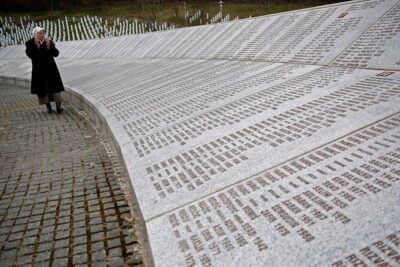
You’ll be able to hear stories of victims created through accounts by a local journalist. That detail is important. It signals a focus on lived experience rather than only official reporting. There’s also a part of the memorial room dedicated to people responsible for the massacre. It’s a sobering reminder that genocide is not an accident of history, but a crime with perpetrators.
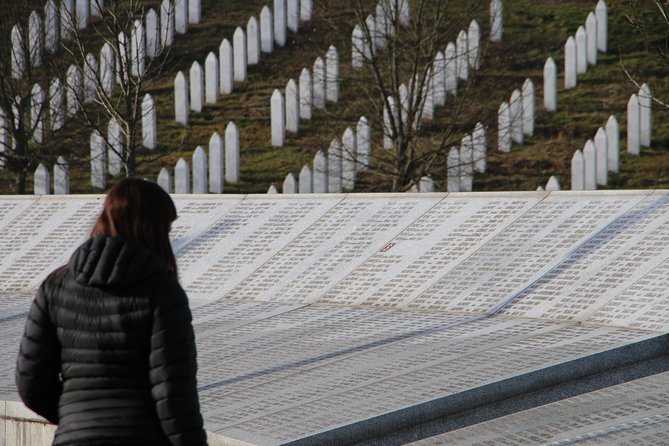
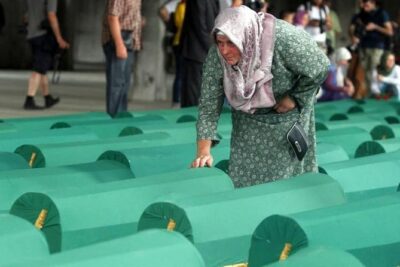
Then comes the cemetery visit at Memorial cemetery. The number of identified victims is listed as 6,575, and the number rises each year. That alone can land hard, because it explains why remembrance is not a one-time checkbox. It keeps changing as the world identifies more victims over time.
I’d recommend you treat this portion like a slower moment in the day. Don’t rush your own processing. If you feel like stepping back, taking a breath, or simply standing and looking, that’s not disrespectful. It’s part of what the place asks of you.
The tour also includes time at Potocari Memorial Centre. After that, you continue toward Srebrenica city itself.

Lunch in Srebrenica and the ghost-town feeling
After the memorial sites, the drive continues to the city of Srebrenica. It’s described as a ghost city, and honestly, that idea shows up in how the town feels once you arrive. You’re not just visiting a museum. You’re seeing the aftermath in a way you can’t get from photos.
Lunch is built into the time in Srebrenica, which is practical. There simply aren’t many restaurant options nearby, and you don’t want to gamble on finding food while your brain is already overloaded.
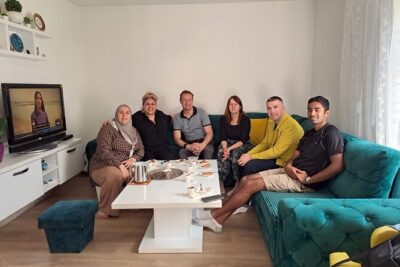
This part of the day is also where the tour becomes deeply human. In past experiences with this operator, lunch has included time with a local family and personal storytelling about life before and after the war. That’s one of the reasons the day sticks. You’re not only hearing about events, you’re meeting people who have lived alongside the consequences.
Price and comfort: what $82.84 buys on a 10-hour day
The price is $82.84 per person for an approximately 10-hour experience. For many trips, that could feel steep just for transport. Here, the value comes from combining several expensive-to-arrange pieces:
- Transport in an air-conditioned car or minivan for the Sarajevo to Srebrenica distance and back
- Driver and guide for the full day structure and explanations
- Hotel pickup and drop-off where requested, which can save you time and stress
- A traditional Bosnian sandwich with bottled water included at the start
- Museum access and guided time at the major memorial sites, with at least some scheduled admissions listed as free
It’s also a small group tour with a maximum of 12 travelers. In sensitive settings, that small size matters. It’s easier to ask questions, and it’s easier for the guide to keep the tone respectful.
If you like structure, this day gives you one. If you prefer total freedom, you might find the fixed timing challenging because you can’t wander the memorial areas whenever you want. But for first-timers, the structure is often exactly what you need.
Should you book this Srebrenica genocide study tour?
Book it if you want a guided day that connects the dots from the Yugoslavia breakup to what happened in Srebrenica. This is a tour for people who value context, direct testimony, and respectful guidance. You’ll also be in good hands if you appreciate storytelling from guides with firsthand or lived perspective, since that personal lens is repeatedly described as a key part of why the day feels meaningful.
I’d think twice if you’re looking for something light, casual, or purely historical in a classroom sense. This is emotionally heavy and information-dense. Give yourself a little buffer after the tour, and don’t schedule anything demanding the same evening.
If you’re ready for a difficult, important day, this is also one of those experiences where the organization details matter. Starting with water and food, keeping the group small, and using the drive for context all help you focus when it counts.
FAQ
What time does the Sarajevo to Srebrenica tour start, and how long is it?
The tour starts at 8:00 a.m. and runs for about 10 hours.
Where do I meet the tour in Sarajevo, and is pickup available?
The meeting point is Velika avlija Laure Papo Bahorete 2, Sarajevo 71000, Bosnia and Herzegovina. Pickup is available from all locations in Sarajevo, and the operator notes that if your accommodation is a private home (not a hotel), you should provide a Google Maps location.
Is the tour offered in English, and how big is the group?
Yes, it’s offered in English. The maximum group size is 12 travelers.
What food and drinks are included?
You’ll receive bottled water and a traditional Bosnian sandwich at the start. A vegetarian option is available if you request it.
Are there admission fees for the memorial stops?
The schedule lists admission as free for the stop at the start (10 minutes) and for the Srebrenica memorial portion (3 hours).
Can I cancel for free?
Yes. You can cancel up to 24 hours in advance for a full refund.
More Tours Across Bosnia
The Full Bosnia Review Shelf
Srebrenica Memorial, Other Visits
Recently added to the Bosnia and Herzegovina shelf
- Walking Tour in Sarajevo★ 5.0 · 3 reviews
- Travnik, Jajce, Pliva Lakes & Mills –Medieval & Ottoman Bosnia Full Day Tour★ 5.0 · 3 reviews
- Tour of Herzegovina – From Sarajevo★ 5.0 · 3 reviews
- The Siege of Sarajevo Tour★ 5.0 · 3 reviews
- Srebrenica Genocide Tour from Sarajevo★ 4.5 · 3 reviews
- Sarajevo to Zagreb: One-Way Tour via Jajce, Travnik, Pliva Lake and Watermills★ 5.0 · 3 reviews
Srebrenica Memorial Tours, compared.
 ★ 5.0From Sarajevo: Srebrenica Genocide Memorial Study TourFrom $84359 reviews
 ★ 5.0Understanding Srebrenica Genocide Tour + Lunch with Local Family IncludedFrom $96123 reviews
 ★ 5.0Understanding Srebrenica Genocide – Day tour from SarajevoFrom $8235 reviews
 ★ 5.0Remembering Srebrenica GenocideFrom $789 reviews
 ★ 4.5Srebrenica Genocide Tour from SarajevoFrom $1163 reviews
Browse the lists this tour appears in