
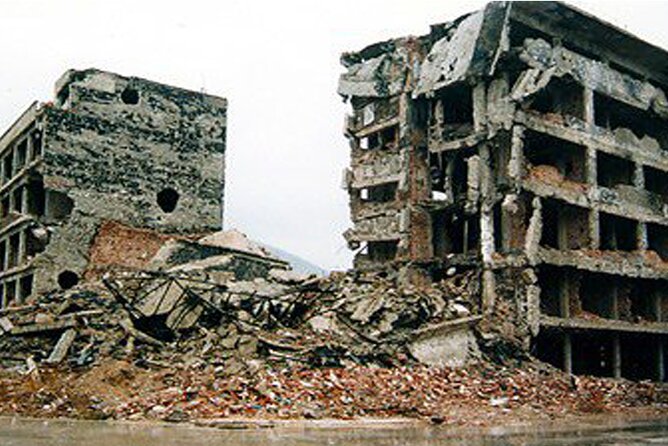
REVIEW · YUGOSLAV-ERA HISTORY TOURS
Break-up of Yugoslavia & The War in Mostar: Life Under Siege
Mostar makes history personal. This 3-hour tour connects the breakup of Yugoslavia to what civilians lived through in the 1990s, using real places and real stories. I really liked the local guide narratives (including accounts from Esmer), and I also loved the practical way the tour uses maps and street-level clues to make sense of the conflict. One consideration: this is an emotional history stop, so go in ready for heavy moments.
The format is focused, not lecture-y. You’ll see an abandoned aircraft hangar tied to Tito-era military planning, then you’ll shift to the Mostar War Museum where your guide explains a divided city and the logic of events, and finally you’ll walk the streets where the fighting got close. If you want context for why the Old Town looks the way it does today, this is the fastest path I know.
You’ll also get a smooth day experience: hotel pickup and drop-off (when selected), an air-conditioned vehicle, and a small group size capped at 8. It’s priced at $42.33 per person, which is fair for three stops, a professional guide, and included museum entry where you would otherwise pay.
In This Review
- Key things that make this tour worth your time
- Why Mostar needs a siege-focused guide walk
- Stop 1: The abandoned aircraft hangar and Tito’s hidden military logic
- Stop 2: Mostar War Museum, the whiteboard map, and living in a divided city
- Stop 3: Šantića Street front line walk, surviving bunkers, and Spanish Square comparisons
- How the siege story changes how you see Mostar today
- Price and what you actually get for $42.33
- Who should book this and who should skip it
- Tips to get the most out of your siege-history walk
- Should you book this Mostar siege tour?
- FAQ
- How long is the tour?
- Where does the tour take place?
- What is the price per person?
- Is hotel pickup and drop-off included?
- Is the tour in English?
- Is there a mobile ticket?
- How many people are in a group?
- Are the entrance fees covered?
- Is the tour suitable for children?
- Can I cancel for a full refund?
- Is confirmation guaranteed right away?
Key things that make this tour worth your time
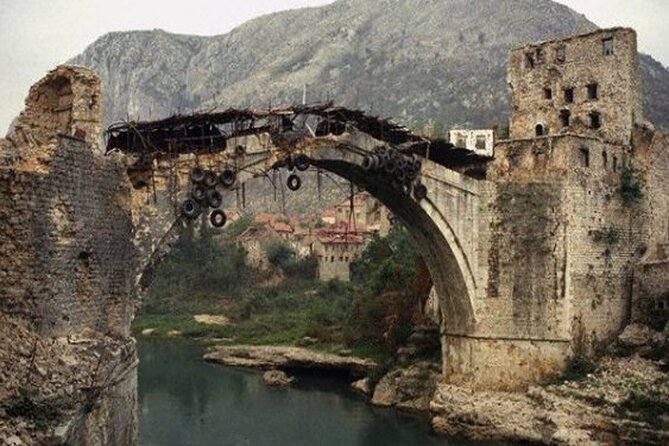
- Tito-era hangar setting: you start in an abandoned aircraft hangar and learn why the mountains mattered.
- First-hand storytelling style: guides like Esmer and Harun share personal, chronological accounts rather than generic talking points.
- Map work that clarifies: a whiteboard and timeline approach helps you connect the pieces of the former Yugoslavia.
- In-the-city front line walk: you’ll spot surviving bunkers and see how an invisible division still shapes movement.
- Photo comparison along the route: you’ll be guided to places like Spanish Square and compare current views to wartime images.
Other tours that read the Yugoslav decades
- Break-up of Yugoslavia & The War in Mostar: Life Under Siege
★ 5.0 · 136 reviews
Why Mostar needs a siege-focused guide walk
Mostar is famous for its bridge and its views. But if you only see the postcard stuff, you miss the part that explains why the city feels split in more ways than one.
What I like about this tour is that it treats the war as a lived sequence, not a distant headline. You’re not just told dates. You’re taken to places where decisions, fear, and geography mattered. Starting near Mostar and moving through the city front line means you build understanding step by step, with the streets themselves becoming the lesson.
There’s also a strong human tone. Multiple guides, including Esmer and Harun, are praised for being willing to answer hard questions and explain what daily life was like. That matters because Mostar’s current identity is tied to what happened, even if you arrive years later.
Stop 1: The abandoned aircraft hangar and Tito’s hidden military logic
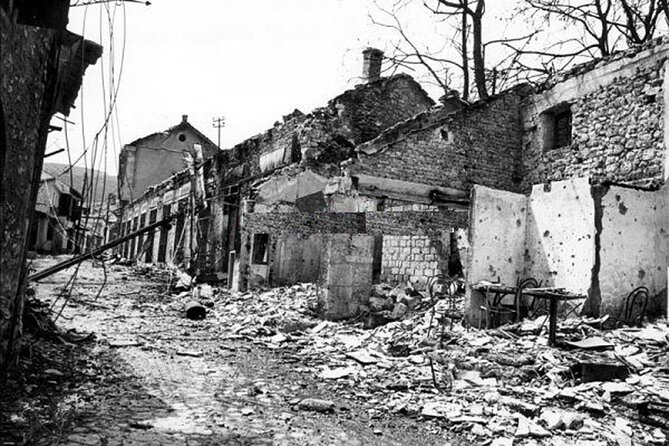
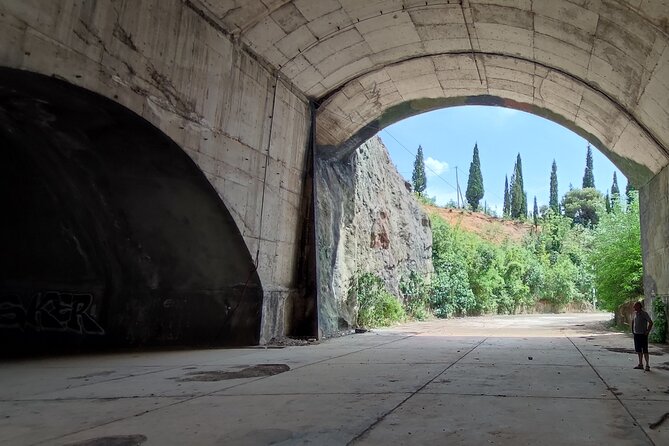
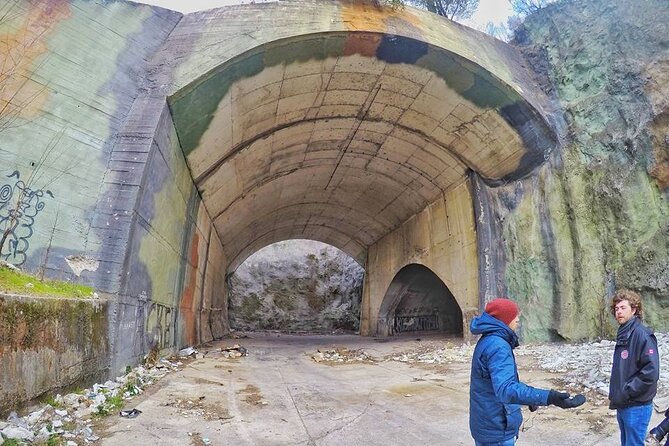
Your first stop is an abandoned aircraft hangar about five minutes south of Mostar. The vibe here is quiet, even eerie. You’re in a space designed for secrecy, not sightseeing.
This hangar story connects three dots that visitors often struggle to link:
1) how Yugoslavia planned defense,
2) how mountains create natural protection, and
3) why the location of military assets shaped civilian life.
The tour describes Tito-era fighter jets placed deep inside the hangar system, protected by the terrain and kept out of sight. Even if you’ve read about Balkan history before, seeing how “hidden” operations used the natural fortress idea gives you a tangible sense of why surveillance and secrecy were so central.
Admission is free at this stop, and that’s a nice plus for value. Also, since the first site is outside the center, it gives you a mental warm-up before you walk streets where conflict became immediate.
Practical tip: wear shoes you can trust. You’ll be outdoors and walking on uneven ground around an abandoned structure.
Stop 2: Mostar War Museum, the whiteboard map, and living in a divided city
Next you head to the Mostar War Museum. This is where the tour shifts from geography to people and daily reality.
Your guide uses a board and map of the former Yugoslavia to help you put together a bigger puzzle. That technique is smart. The Balkans can feel like a tangle of names, groups, and timelines at first. The board method gives your brain a framework so you can follow the story without constantly asking, Wait, who was where?
A few details that make this stop especially powerful:
- You hear explanations of how Mostar was affected by the Bosnian War (1992-1995) and what it meant to live in a divided city.
- The guide’s approach emphasizes what happened between the lines, not just major battlefield moments.
- The museum entrance is included, and the stop is listed with free admission, so you’re not stuck doing math mid-tour.
In the reviews, guides are praised for combining personal stories with broader geopolitical context. Esmer in particular is repeatedly highlighted for passion and an ability to present complex events in an easy sequence. That means you’re not only collecting facts, you’re learning how someone from Mostar thinks about cause and consequence.
What to watch for: the tour’s emotional tone can spike here. If you’re the kind of person who needs a breather after heavy topics, plan for that. Bring a bottle of water and give yourself a moment before moving on to street-level scenes.
Stop 3: Šantića Street front line walk, surviving bunkers, and Spanish Square comparisons
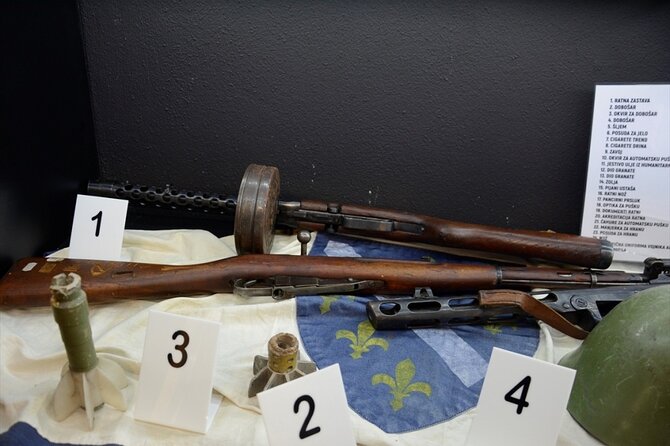
The final segment focuses on the West Front line, ending around Šantića Street and moving toward Spanish Square and Boulevard Street.
This is the part that turns history into something you can feel in your body. Walking through Mostar, you pass spots tied to the closest fights between Bosnian and Croatian forces. The tour highlights bunkers that still exist, even years after the war, and it guides you through a route that functions like a map of the city’s division.
The tour description also notes that the front line is now unfortunately an invisible line between two parts of Mostar. That phrasing is key. The fighting has stopped, but the city still carries a boundary in how it’s experienced and navigated.
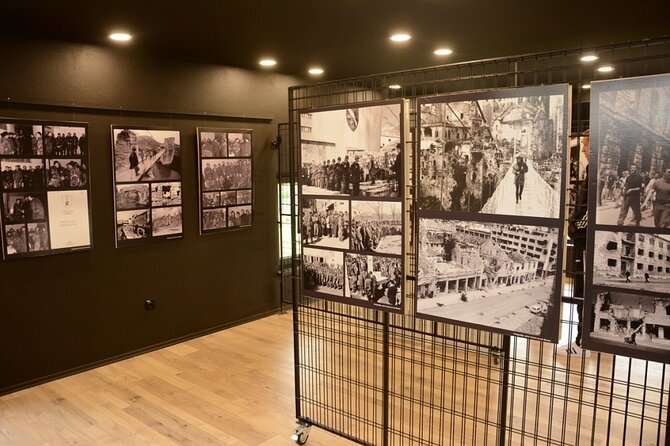
You’ll also see pictures of places during the war and compare them to today. That photo comparison is one of the best learning tools on the itinerary because it stops you from thinking in abstract terms. You can literally measure what changed.
One more detail from the tour style: some guides also add perspective moments at the end, such as viewpoints from higher ground, depending on how the route is handled. If you get that, take it. It helps you zoom out so your understanding stops being purely street-level.
Practical note: this stop is still in the city center area. Go slowly. You want time to process the story attached to what you’re seeing.
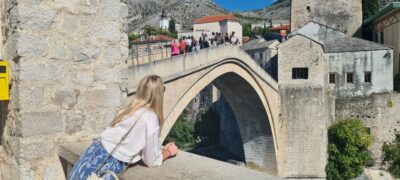
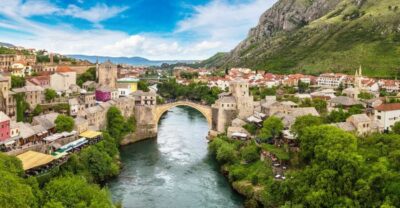
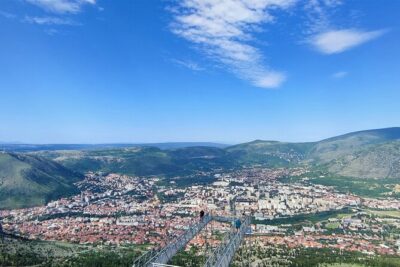
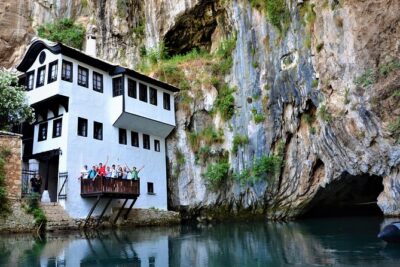
How the siege story changes how you see Mostar today
After this tour, Mostar feels different. Not because the bridge looks new, but because your mental picture adds weight.
Here’s what the tour helps you understand:
- Why the city’s layout can reflect past conflict.
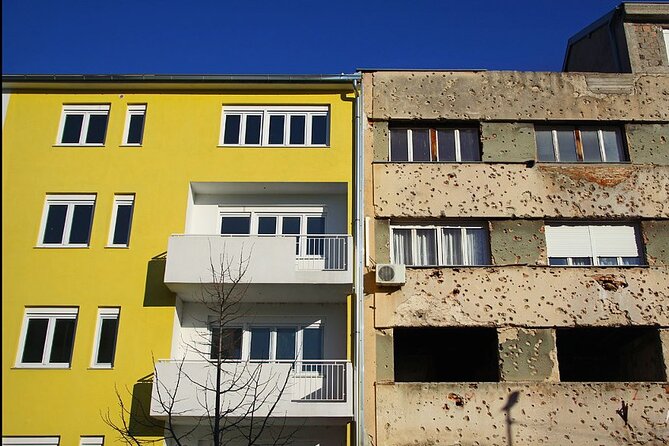
- Why some areas look the way they do, including visible remnants like bunkers and war-damaged structures.
- Why everyday life after 1995 includes complicated emotions and political realities that don’t vanish just because the shooting stopped.
Guides described in the reviews, especially Esmer, are praised for being honest and not dodging difficult topics, while also talking about hopes for the future. That balance matters. You leave with context, not just tragedy.
If you’re visiting as part of a broader Balkan route, this tour also gives you a key to unlock places later in your trip. Even if your next stop is Croatia or beyond, you’ll spot the same patterns of nationalism, collapse, and local experience.
And yes, you’ll probably walk the bridge again afterward with a different feeling in your chest.
Price and what you actually get for $42.33
At $42.33 per person, you’re paying for three things that add up quickly in your own planning:
1) A professional guide who explains a hard subject clearly and answers questions.
2) Three structured stops, including the Mostar War Museum.
3) Transport in an air-conditioned vehicle plus hotel pickup and drop-off when selected.
Two stops are listed as free for admission (the hangar and the War Museum entry is included). That means your money is mostly buying interpretation, time, and movement, not tickets.
The small group limit (maximum 8) also matters for value. A smaller group makes it easier to ask follow-up questions, and it keeps the guide’s pace human. For a topic this intense, you don’t want a rushed conveyor-belt tour.
Timing-wise, it runs about 3 hours. Reviews sometimes mention it running a bit longer with enthusiastic conversation, but the experience is still structured around those three main moments. That makes it a practical add-on even if you have limited days in Mostar.
Who should book this and who should skip it
This tour is a strong fit if you want:
- a clear explanation of the breakup of Yugoslavia and the war impact on Mostar,
- street-level understanding, including surviving bunkers and front line routes,
- a local perspective from guides such as Esmer or Harun.
It’s also a good match for adults and teens, based on the way the tour is described and the emphasis on history explained in an accessible sequence. If you’re traveling with someone who hates history lectures, this can still work because it ties history to place, not just dates.
You might want to skip or approach carefully if:
- you’re sensitive to emotional stories or war memories,
- you only want photogenic highlights and short explanations,
- you dislike guided walks and prefer total freedom.
Tips to get the most out of your siege-history walk
These small moves help you absorb the experience without feeling overwhelmed:
- Ask questions during the museum or hangar segments. The guides are described as responsive and comfortable with deep topics.
- Take breaks if you feel emotionally overloaded. This is not a quick, light history stop.
- If your phone battery matters, charge it beforehand. You’ll want to compare today’s city with wartime images shown during the route.
- Wear comfortable shoes. You’ll walk in and around city streets and a hangar area.
Should you book this Mostar siege tour?
Yes, I think you should book it if you want to understand Mostar beyond the bridge. This tour offers a rare combination: real sites tied to military secrecy and street-level front line remnants, plus guided storytelling that aims to make a complicated conflict understandable.
If you’re on a short visit and want the most meaning per hour, the structure works. Three stops, professional guidance, small group size, and included museum entry and transport make it solid value for $42.33.
If you want something purely relaxed and visual, you may find it heavy. But if you’re open to an honest, human history experience, this is one of the best ways to truly read the city.
FAQ
How long is the tour?
The tour runs about 3 hours.
Where does the tour take place?
It takes place in Mostar, Bosnia and Herzegovina.
What is the price per person?
The price is listed as $42.33 per person.
Is hotel pickup and drop-off included?
Hotel pickup and drop-off is offered if you select that option.
Is the tour in English?
Yes, English is offered.
Is there a mobile ticket?
Yes, a mobile ticket is offered.
How many people are in a group?
The tour has a maximum of 8 travelers.
Are the entrance fees covered?
Admission is listed as free for the hangar and included for the Mostar War Museum entrance fee.
Is the tour suitable for children?
Children must be accompanied by an adult.
Can I cancel for a full refund?
Free cancellation is available. You can cancel up to 24 hours in advance for a full refund.
Is confirmation guaranteed right away?
Confirmation is received within 48 hours of booking, subject to availability.
The Full Bosnia Review Shelf
The Yugoslav Decades, Further Tours
Recently added to the Bosnia and Herzegovina shelf
- Pocitelj City Tour★ 4.5 · 3 reviews
- Mystical Sutjeska National Park★ 5.0 · 3 reviews
- Mostar Guided Tour & Sweet Delights★ 5.0 · 3 reviews
- All Inclusive Neretva Rafting, Day Tour from Mostar★ 5.0 · 4 reviews
- Authentic Medjugorje Tour★ 4.0 · 4 reviews
- From Split: Private Guided Mostar & Kravica Waterfall Tour★ 5.0 · 4 reviews
Yugoslav-Era History Tours, compared.
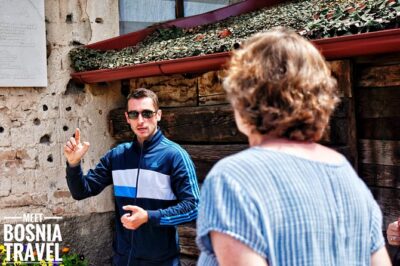 ★ 5.0Fall of Yugoslavia, Sarajevo War Tour with Tunnel of Hope Museum and FrontlinesFrom $361,314 reviews
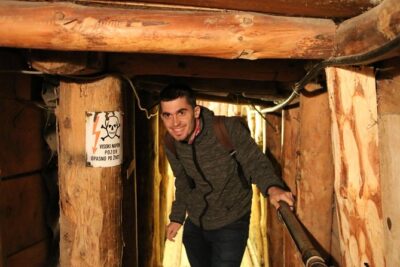 ★ 5.0Tunnel Museum: Bosnian & Yugoslav Wars Tour with War VeteranFrom $36551 reviews
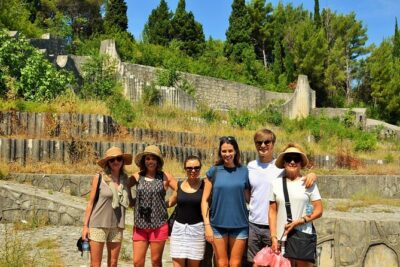 ★ 5.0The Death of Yugoslavia Tour in MostarFrom $47102 reviews
 ★ 5.0Utopia of Tito’s Yugoslavia, Tito’s Bunker & Siege of SarajevoFrom $10135 reviews
Browse the lists this tour appears in