
REVIEW · YUGOSLAV-ERA HISTORY TOURS
The Death of Yugoslavia Tour in Mostar
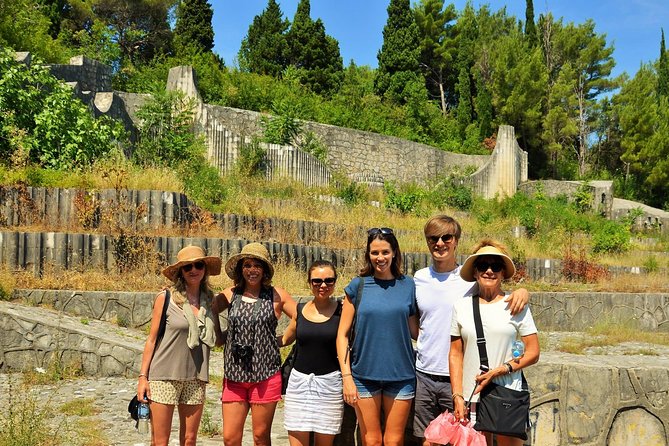
Mostar at dusk turns into a history lesson. This 2.5-hour Death of Yugoslavia tour strings together four Yugoslavia and Cold War sites, then ends by looking at Bosnia’s modern challenges through an EU lens. You’ll hear the story in English with a local guide who uses music to match each era’s mood.
Two things I really like: first, the guide-led storytelling does not stay abstract. It ties big political shifts to daily life, from post-WWII socialism to Cold War fear to the 1980s slide into collapse. Second, the stops take you off the usual tourist grid, so you see real remnants and places you would likely never find on your own. Guides I’ve seen named for this experience include Sebi, Marco/Marko, Miran, Marin, and Dario, and the best part is how personal the telling can feel.
One drawback to consider: several of the sites are abandoned and in decay. If you’re expecting pretty viewpoints and polished museums, this tour might feel harsher than you planned. Also, it starts at 5:00 pm, so you’ll want to build your evening schedule around it.
In This Review
- Key points to know before you go
- Setting the tone at iHouse Travel in Mostar (5:00 pm)
- Gornje Gnojnice: the chapter of WWII, socialist Yugoslavia, and Cold War paranoia
- Rodoč: Tito’s personal politics, youth work, heavy industry, and culture
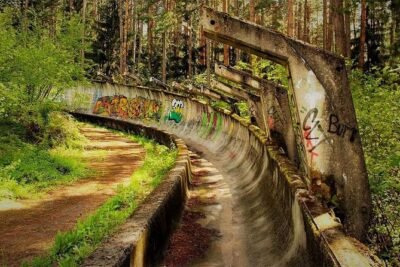
- Španski trg: 1984 Sarajevo Olympics, the golden era story, and why wars followed
- Partisan Cemetery: looking at present-day Bosnia and the EU question
- Price and logistics: does $47.17 feel fair?
- Who this Mostar tour fits best (and who might want a different plan)
- The guide factor: why people mention names
- Should you book the Death of Yugoslavia Tour in Mostar?
- FAQ
- What time does the Death of Yugoslavia tour start in Mostar?
- How long is the tour?
- Where do I meet the guide, and where does the tour end?
- Is the tour offered in English?
- What is included in the price, and what is not?
- Is there free cancellation?
Key points to know before you go
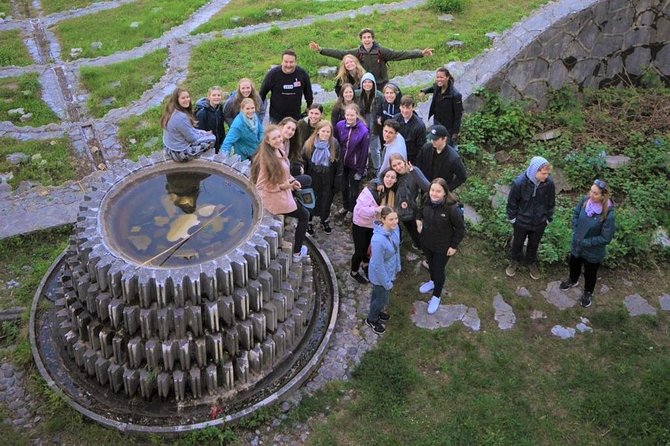
- Secret location stops for a more focused, story-first route through Mostar
- Music-based chapter storytelling that changes tone as the timeline moves from Tito to war
- Small group size, max 16 keeps the pace conversational
- Four Yugoslavia and Cold War site chapters, each about 30 minutes, with free site admission
- Local transport handled for you, with round-trip back to the meeting point
- Strong guide reputation, with multiple guides praised for making complicated history easy
Other tours that read the Yugoslav decades
- Break-up of Yugoslavia & The War in Mostar: Life Under Siege
★ 5.0 · 136 reviews
Setting the tone at iHouse Travel in Mostar (5:00 pm)
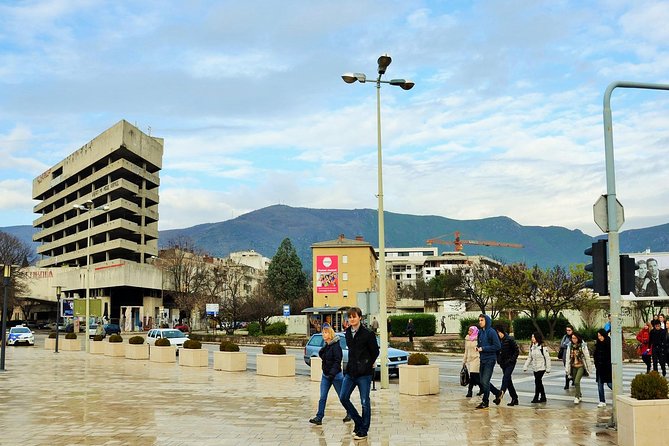
You meet at iHouse Travel, Onešćukova 25, Mostar 88000. The tour runs at 5:00 pm and loops back to the same meeting point when it’s done. That matters in Mostar because evening is when you want logistics to be simple, not stressful.
You also have a couple options on how the day starts. The meeting point address is fixed, and the tour may include hotel pickup depending on what you select. Either way, you’re not left guessing how to get to the first drive, which keeps the timeline moving.
Group size is capped at 16 travelers. That’s a good size for a history tour because you can actually hear the guide and ask questions without feeling like you’re in a lecture hall. The tour is offered in English, and children must travel with an adult, so it’s best planned as a family outing only if everyone is comfortable with the heavier themes.
Gornje Gnojnice: the chapter of WWII, socialist Yugoslavia, and Cold War paranoia
The first big shift in the story happens after a drive from the iHouse area. Your guide talks through WWII and the rise of Socialist Yugoslavia, then you head to a first secret location in Gornje Gnojnice. The setting is part of the lesson: the tour intentionally keeps the stop locations secret so you experience the place as a story moment, not a checklist item.
At the Gornje Gnojnice stop, the tour focuses on the Cold War and the dark years linked to the Informbiro period. The basic idea is that Yugoslavia’s break with the Soviet Union did not mean instant peace. It triggered a new kind of pressure inside the country, including militarization, fear, and a paranoia that filtered into politics and everyday thinking.
What I find valuable here is the way the guide uses the physical environment to reinforce the theme. Even if the place looks quiet, the narrative makes it feel loud with context. And since the tour lists free admission for the stop, you’re paying for the guide’s interpretation and the route, not an entry fee to a polished attraction.
Practical note: this stop is timed at about 30 minutes. That’s long enough to understand the historical chapter, but short enough to keep the tour from dragging before the more intense sections.
Rodoč: Tito’s personal politics, youth work, heavy industry, and culture
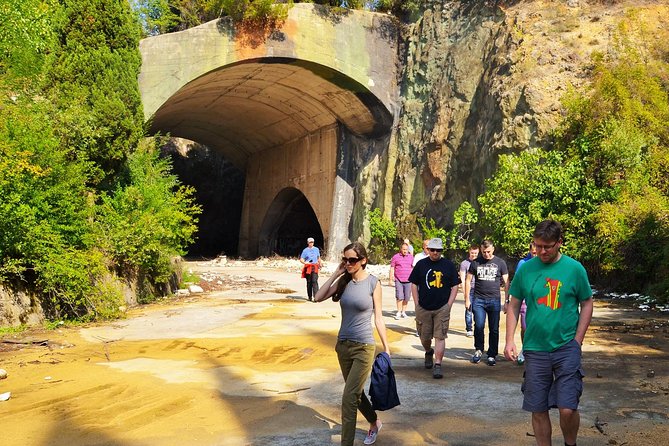
Next comes another drive, and the second secret location is in Rodoč. This chapter is called people’s life, but it’s anchored by Josip Broz Tito. You get a human scale explanation, including Tito’s personal life and political achievements, plus his attempts at a socialism designed to serve Yugoslav needs.
Then the tour shifts from top-level leadership to daily expectations and dreams. The guide connects the future people imagined to programs like youth work actions, and later to the heavy industrialization of the 1950s and 1960s. Even without getting lost in dates, you come away with a sense of how the state tried to build a society through work, production, and identity.
The last part of this chapter covers popular culture through the 1970s and 1980s, including brands, music, the automotive industry, and lifestyle. This is where music presentation becomes more than a gimmick. The tour uses sound to match the era, so the cultural section lands as more than trivia.
Why it’s worth your time: most history tours cover rulers. This one keeps tugging you back to how ideology showed up in youth programs, jobs, and consumer culture. That’s the difference between memorizing facts and understanding how a system feels from the inside.
As with the previous stop, the scheduled time here is about 30 minutes, with free admission listed for the site.
Španski trg: 1984 Sarajevo Olympics, the golden era story, and why wars followed
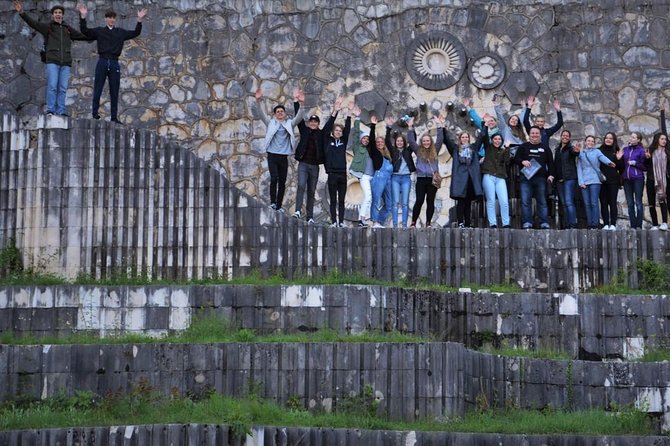
The third stop is at Španski trg, and the guide turns attention to the 1980s. The tour specifically highlights the 1984 Sarajevo Winter Olympics and asks why that period was seen as a golden era of Yugoslav socialism.
Then the timeline gets darker. You’ll hear how the collapse was driven by a mix of economic depression and rising nationalisms, first pulling the region apart in Slovenia and Croatia, then reaching Bosnia and Herzegovina a year later. The tour ties the story to consequences: destruction and loss of human lives. It’s not framed as a political debate. It’s framed as cause, effect, and human cost.
One thing I appreciate about this stop structure is that it doesn’t only point to war. It also tries to explain the dissolving of the Yugoslav dream, meaning the promise that had made the earlier decades feel hopeful. That makes the final chapters make emotional sense, because you understand what was lost and why the loss mattered.
The Španski trg portion runs about 30 minutes as well, with free admission listed for the stop.
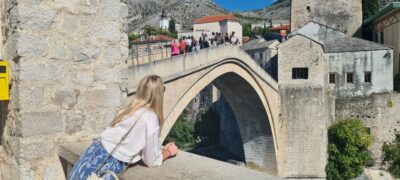
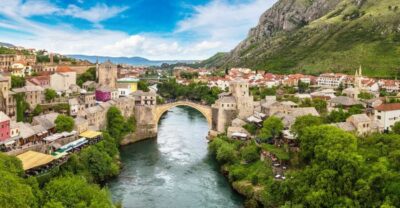
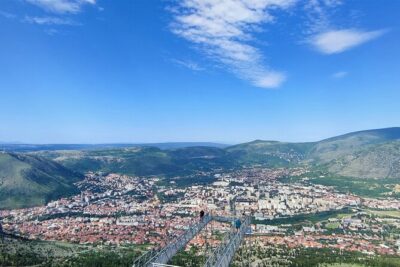
Partisan Cemetery: looking at present-day Bosnia and the EU question
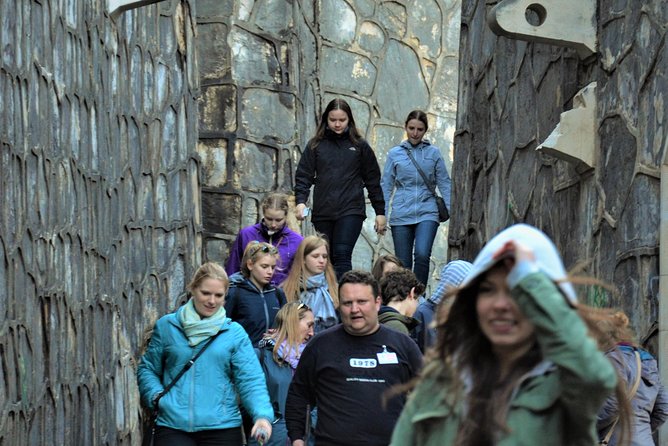
The final stop is Partisan Cemetery, and the guide changes tone again, moving from the war era into the early 21st century. The aim here is to analyze the situation in present-day Bosnia and Herzegovina, including the political structure and the challenges the country faces.
Then you shift into a bigger frame: Bosnia’s possible membership in the European Union. The tour ends by walking through the site’s relics of a past described as glorious, while confronting the complicated reality of economic, cultural, and political recovery needs.
This ending works well because it prevents the tour from turning into a history-only loop. You leave with a sense that the past still shapes the present, even when the headlines move on. And since you’re in Mostar, that’s practical. Mostar is not just scenery. It’s a place where history is still visible in how communities live and how the city looks and feels today.
The final stop is also timed at about 30 minutes, rounding out a total tour length of roughly 150 minutes.
Price and logistics: does $47.17 feel fair?
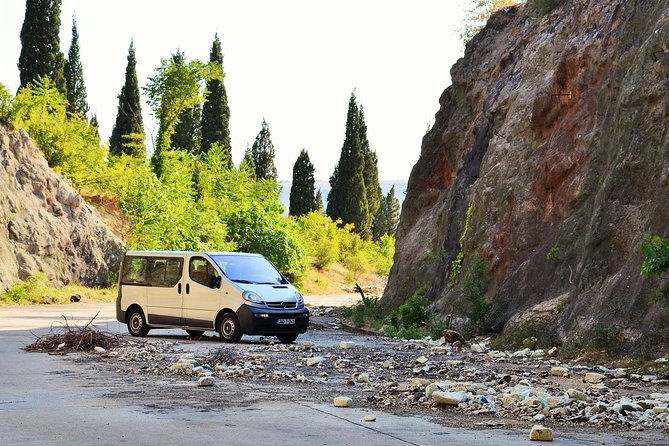
At $47.17 per person, this isn’t a throwaway evening activity. But the value is in what you get packaged together: a local guide, driver/guide service, and round-trip transport from Mostar, plus all taxes and fees. Site admission is listed as free for the stops.
You’re also buying time. The tour runs about 2 hours 30 minutes (and in at least one experience I’ve seen described, it ran slightly longer than expected without feeling rushed). That matters for this kind of subject. Yugoslavia and the breakup are not simple topics, and 90 minutes would be too short to connect the pieces.
What’s not included is food and drinks. That’s normal for a city tour, but it’s a real factor because you start at 5:00 pm. If you tend to get hungry in the late afternoon, eat beforehand so the tour stays focused on the story.
Also, the tour has a mobile ticket, and confirmation is received at booking. That lowers friction on travel days.
Who this Mostar tour fits best (and who might want a different plan)
This is a strong match if you:
- want Balkan history explained with a clear timeline and human details
- enjoy tours that use music and storytelling rather than only dates and dates again
- like seeing real, off-the-beaten-track places, even when they look worn down
- appreciate guides who bring personality and can connect the era to everyday life
This may not be the right fit if you:
- want only polished, scenic sights and prefer museums over abandoned sites
- get uncomfortable with heavy topics like war, loss of human lives, and political collapse
- plan a very tight schedule where a 5:00 pm start is hard to manage
The short version: if you came to Mostar for scenery only, choose something else. If you came for understanding, this tour tends to stick with people.
The guide factor: why people mention names
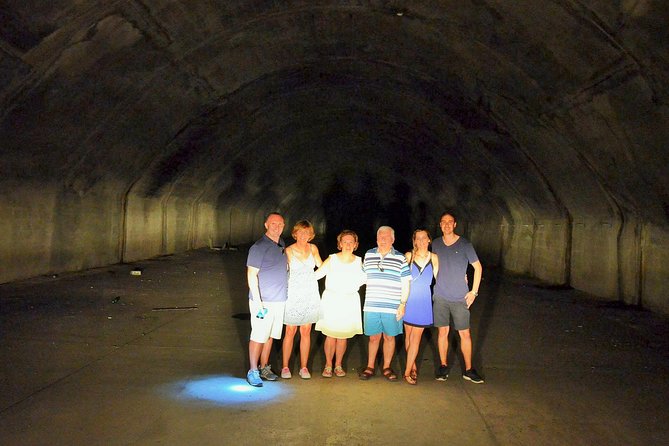
One of the most praised parts of this experience is the guide. Multiple guide names show up in strong feedback, including Sebi, Marco/Marko, Miran, Marin, and Dario. The consistent theme is that the guide makes complicated history understandable, often with humor and with music tied to the era.
That guide quality matters because the subject can feel overwhelming fast. When the storytelling is good, you walk away with a mental map. When it’s not, you end up remembering random facts without the connections.
In this tour, the guide does the heavy lifting by linking each place to a chapter: informbiro paranoia, Tito and socialism, youth and industry, cultural identity, then the slide from the 1980s into the Yugoslav wars, and finally modern Bosnia.
Should you book the Death of Yugoslavia Tour in Mostar?
I think you should book it if you want a focused, story-driven history walk through real Mostar spaces, not a generic overview. The small group size, free admission to the sites, and included driver/guide transport make it easier to justify than many higher-priced alternatives that still feel disjointed.
I’d only hesitate if the idea of abandoned, decaying locations turns you off, or if you prefer light entertainment over political and war-related themes. If you can handle that, you’ll likely find it a memorable evening, especially because the guide brings the chapters to life with music and a personal storytelling style.
FAQ
What time does the Death of Yugoslavia tour start in Mostar?
It starts at 5:00 pm.
How long is the tour?
The duration is listed as about 2 hours 30 minutes (about 150 minutes).
Where do I meet the guide, and where does the tour end?
You meet at iHouse Travel, Onešćukova 25, Mostar 88000, Bosnia and Herzegovina. The tour ends back at the same meeting point.
Is the tour offered in English?
Yes, it is offered in English.
What is included in the price, and what is not?
Included are all taxes and fees, local taxes, and a driver/guide. Food and drinks are not included. Hotel pickup and drop-off are only included if you select that option.
Is there free cancellation?
Yes. You can cancel up to 24 hours in advance for a full refund. Cancellation less than 24 hours before the start time is not refunded.
More Tours Across Bosnia
The Full Bosnia Review Shelf
The Yugoslav Decades, Further Tours
Recently added to the Bosnia and Herzegovina shelf
- Pocitelj City Tour★ 4.5 · 3 reviews
- Mystical Sutjeska National Park★ 5.0 · 3 reviews
- Mostar Guided Tour & Sweet Delights★ 5.0 · 3 reviews
- All Inclusive Neretva Rafting, Day Tour from Mostar★ 5.0 · 4 reviews
- Authentic Medjugorje Tour★ 4.0 · 4 reviews
- From Split: Private Guided Mostar & Kravica Waterfall Tour★ 5.0 · 4 reviews
Yugoslav-Era History Tours, compared.
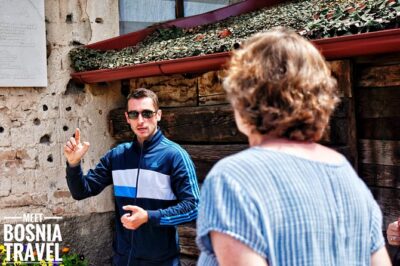 ★ 5.0Fall of Yugoslavia, Sarajevo War Tour with Tunnel of Hope Museum and FrontlinesFrom $361,314 reviews
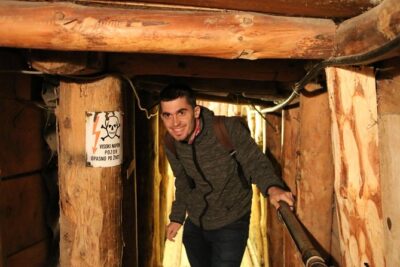 ★ 5.0Tunnel Museum: Bosnian & Yugoslav Wars Tour with War VeteranFrom $36551 reviews
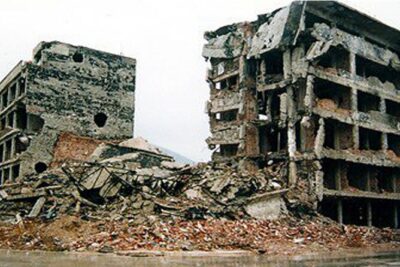 ★ 5.0Break-up of Yugoslavia & The War in Mostar: Life Under SiegeFrom $42136 reviews
 ★ 5.0Utopia of Tito’s Yugoslavia, Tito’s Bunker & Siege of SarajevoFrom $10135 reviews
Browse the lists this tour appears in