
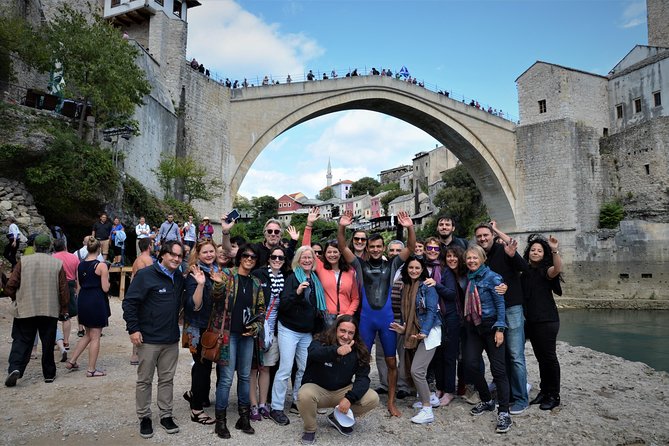
REVIEW · MOSTAR OLD TOWN & OLD BRIDGE TOURS
Mostar city Tour
Mostar hits you fast, and this tour keeps up. I love how the walk centers on the UNESCO-listed Old Bridge and gives you real views of the Neretva River. I also love the way local guide Marko links the visible streets to the invisible layers of Ottoman, Austro-Hungarian, and Yugoslav life. One thing to plan for: it is a mostly on-your-feet experience, and food and drinks are not included.
The meeting point is easy to find, right in central Mostar at iHouse Travel doo, Onescukova 25, about 200 meters from the Old Bridge on the west side of the river. You start at 9:00 am, and you end back where you began, which makes it simple to build the rest of your day.
At $23.72 per person for about 2 hours with a professional guide, this is a solid value if you want context fast. You’ll get an English-speaking tour, a mobile ticket, and a group capped at 55, which helps the tour stay moving without feeling like a crowd-control drill.
In This Review
- Key Highlights You Should Care About
- A Walking Time Machine Through Mostar’s Eras
- Where the Tour Starts: iHouse Travel, 200 Meters From the Bridge
- The Old Bridge View: Why This Landmark Matters More Than Photos
- Ottoman-Era Mostar: Reading the City Like a Street Map
- Austro-Hungarian Fin de Siecle: The City Changes Its Tone
- Yugoslavia and Socialist Realism: When Politics Shows Up in Buildings
- War Scars, a Financial District, and a Personal Perspective
- How Long It Takes, What the Pace Feels Like, and Who It Suits
- Price and Value: Why $23.72 Can Be a Smart Buy
- Small Logistics That Matter on a Real Trip
- Should You Book This Mostar City Tour?
- FAQ
- What is the duration of the Mostar City Tour?
- What time does the tour start?
- Where do I meet the guide?
- Is the tour offered in English?
- Do I need to bring food and drinks?
- Is there a minimum number of people required?
- What is the maximum group size?
- Are service animals allowed?
- Can children join?
- Can I cancel for a full refund?
Key Highlights You Should Care About
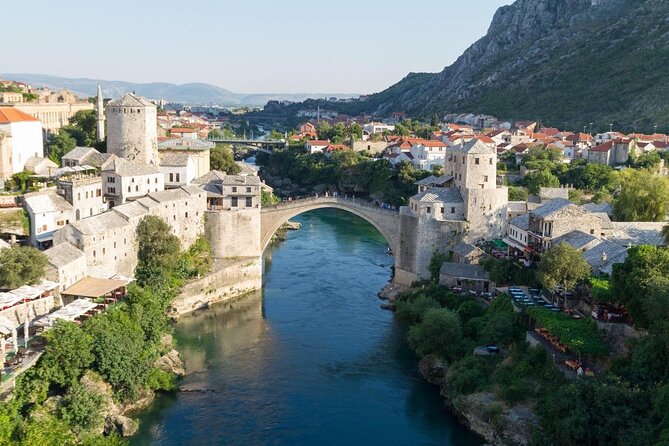
- UNESCO Old Bridge focus: you get the big-photo views and the story behind what you see
- Era jumping on foot: Ottoman to Austro-Hungarian to Yugoslav periods, connected street by street
- Guide Marko’s lived perspective: personal context from the 1991 to 1993 war era helps everything click
- Old Town core route: reaching the heart of the area is what makes the history understandable
- Plane tree shade and cobblestones: a walking tour that feels very Mostar, not just a drive-by
- Returns to start: you finish close to where you began, so you are not stuck far away
Other guided walks around the Old Bridge
- Mostar city Tour
★ 5.0 · 34 reviews - Charming Mostar: Private Mostar Walking Tour
★ 5.0 · 23 reviews - Best of Mostar – Private Walking Tour
★ 5.0 · 21 reviews - Mostar Private Walking Tour – where East meets West
★ 5.0 · 15 reviews
A Walking Time Machine Through Mostar’s Eras
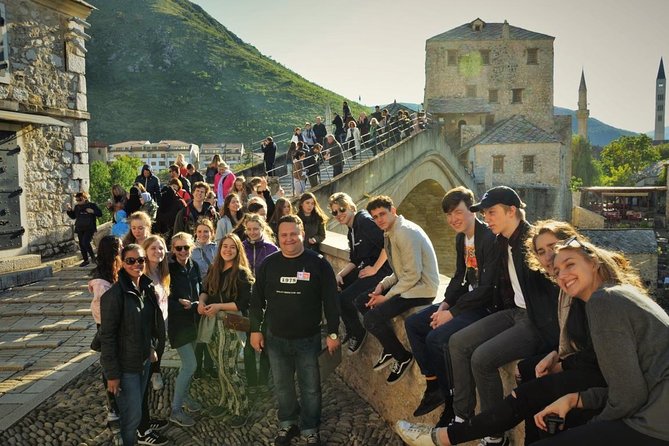
Mostar is not one story. It is several chapters, written in different styles, under different empires, and then rewritten again through conflict. That is why this city tour works so well for first-timers. You are not trying to memorize dates. You are learning to read the city.
The big win here is structure. The tour takes you through the Old Town core, then out toward other key areas, so you see how the town’s look changed over time. You move from early 1500s-era roots into Austro-Hungarian influence, then through the Yugoslav period, and finally into the late 1900s reality that still shapes what people feel and build today. The point is not to overwhelm you with facts. The point is to show you why the town looks the way it does.
And yes, you will walk. Mostar’s cobblestone lanes and river-adjacent paths can be uneven, so wear shoes you trust. But the walking is also the value. You feel the geography. You see sightlines. You notice how the river Neretva divides and connects neighborhoods, and why the Old Bridge became a natural anchor for the city’s identity.
Where the Tour Starts: iHouse Travel, 200 Meters From the Bridge
Your tour begins at iHouse Travel doo, on the main cobblestone street Onescukova number 25. It is about 200 meters from the famous Old Bridge, on the right or west side of the river Neretva. That matters more than you might think.
When a tour meeting point is near the main landmark, you avoid the awkward start where half the group is still searching. Here, you can get your bearings quickly. You can also plan a warmup photo stop before you meet the guide, then be ready to move right into the story.
The schedule is straightforward: start time is 9:00 am. You return to the starting point after the tour. That round-trip setup is great if you have more things planned later that day, like a second attraction, a long lunch, or just time to wander with better context than you had at arrival.
One small practical note: it’s offered in English. If you want a guide to translate the meaning behind street shapes, symbols, and architectural shifts, that language access is a real benefit.
The Old Bridge View: Why This Landmark Matters More Than Photos
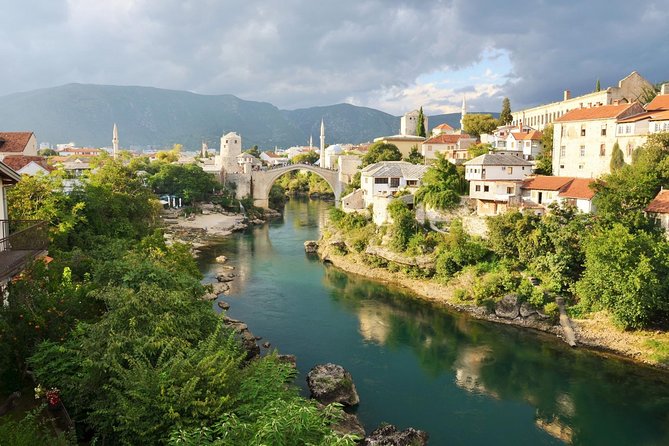
The Old Bridge is the headline for a reason, and the tour uses it as more than a postcard stop. You get stunning views of the bridge while learning why it sits at the center of Mostar’s public identity.
What I like about this approach is that the bridge is treated like a living piece of geography. You do not just look at it. You learn how it functions as a meeting point, a divider, and a symbol that people still recognize instantly. Even if you have only a short time in town, starting here helps you understand why the rest of the tour route makes sense.
If you enjoy photography, you are in good territory. The river angle and the stonework create strong lines that change as you walk a little closer and look from different positions. If you are not a photo person, this is still worth it because the guide’s explanation ties the visuals to history, so you stop asking what you are looking at and start understanding why it matters.
Ottoman-Era Mostar: Reading the City Like a Street Map
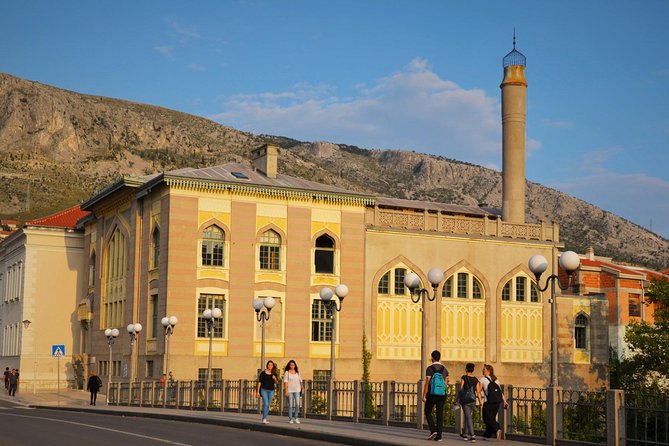
Once you leave the immediate bridge area, the tour turns into a kind of urban reading lesson. Mostar’s early 16th-century origins and Ottoman-era influence shape what you see in the Old Town core. You walk through cobblestone streets and under plane trees, and the guide connects the way people lived to the physical layout around you.
This is where you benefit from a local guide who can point out patterns. Even without a single named building stop, you can learn a lot from how neighborhoods feel and how street directions funnel movement. The Old Town core is the key, because that is where you can best connect history to everyday life instead of treating it like a museum display.
The guide also emphasizes the cultural shift moments, not just dates. You learn to notice how one era’s priorities show up in the city’s structure, then how later periods adjust what gets built, what gets emphasized, and what changes in public space.
If you are short on time, this Ottoman segment is a good start because it gives you a baseline. Later, when Austro-Hungarian and Yugoslav influences enter the picture, you will understand them as overlays rather than random architectural variety.
Other Bosnian city outings
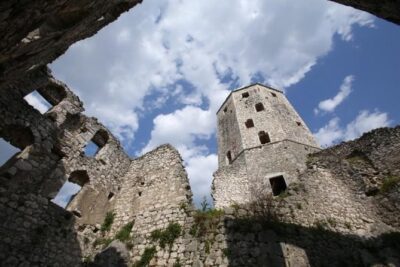
Austro-Hungarian Fin de Siecle: The City Changes Its Tone
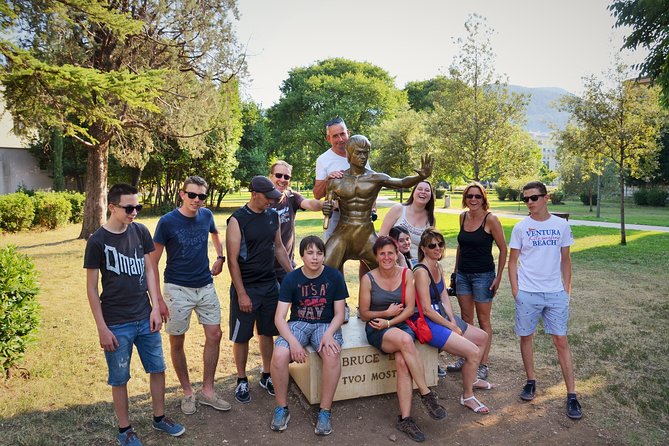
After the Ottoman layer, the tour moves into Austro-Hungarian influence from the romantic fin de siecle period. This is one of those phrases history people love, but the guide’s real job is translating it into something you can see.
You may notice changes in architectural mood and the way the city presents itself in different districts. The tour is designed so you do not just hear about a timeline. You experience the shift by walking. That is what makes this segment click.
I like how the tour frames it as a world-changing moment. Empires and political styles spill into daily life through building choices, public planning, and social expectations. In Mostar, those influences did not erase everything before them. They added new styles and new ideas about how a town should look and function.
Practical takeaway: stay present in your walking. This is not a tour where you can zone out and still get the full value. The guide is actively comparing past and present.
Yugoslavia and Socialist Realism: When Politics Shows Up in Buildings
Then comes the Yugoslav period and the look of socialist realism. The tour’s design helps you understand how later 1900s power structures shaped what got built and how cities projected identity.
You will hear about how the town thrived and suffered through different chapters, while still preserving a distinct way of life. That balance is important. It is easy to think of history as only damage and loss, but Mostar is not only tragedy. It is also resilience, adaptation, and continuity.
This part of the tour is especially useful for visitors who want more than a scenic walk. You start connecting visual cues to political intent. Even when you do not recognize the exact style term, you will understand what the guide is pointing to: the relationship between ideology and the public look of a city.
If you have ever toured a European city and thought, Okay, I get that history happened. This tour tries to help you feel how history gets built into streets, districts, and the way people used public space.
War Scars, a Financial District, and a Personal Perspective
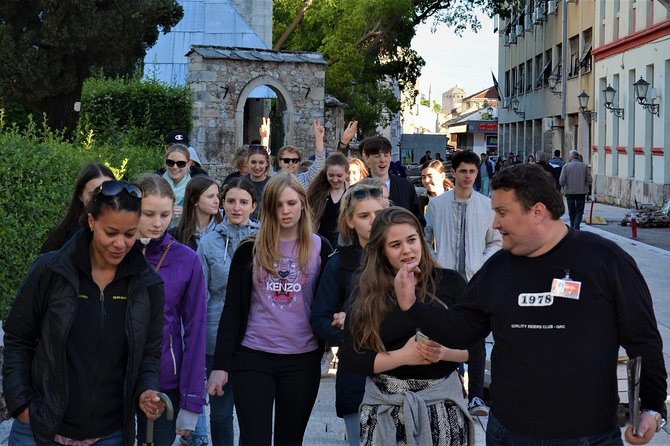
One of the most emotionally grounded sections focuses on the late 1900s reality and the effects of the war. The tour description points toward areas that were war-torn, including a war-affected financial district. The guide connects those places to the broader story of how Mostar endured major upheaval and still stands.
This is where guide Marko’s personal perspective matters. In feedback, people mention his educational dialogue and his viewpoint shaped by growing up during the 1991 to 1993 war period. That kind of context helps you interpret what you see. It turns surviving into something more than a headline.
You do not need to be a history buff to appreciate it, but you should be ready for a serious tone. The tour is not only pretty streets and bridge views. It is also a chance to understand why the city’s different quarters carry different memories.
Practical consideration: if you are traveling with kids, make sure they can handle heavy topics in a respectful setting. The tour does allow children, but children must be accompanied by an adult.
How Long It Takes, What the Pace Feels Like, and Who It Suits
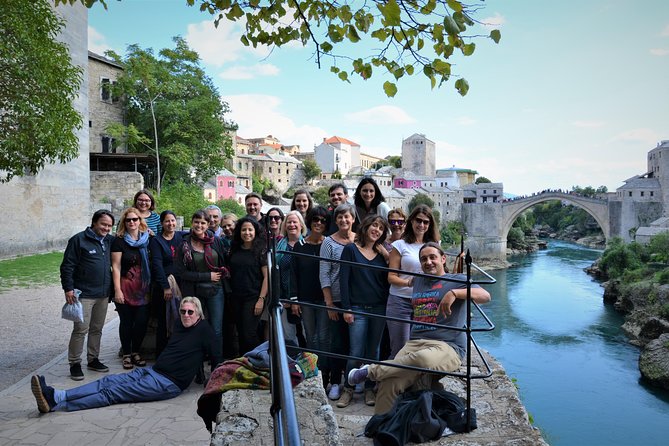
The tour runs about 2 hours. That time is long enough for a meaningful story, but short enough that you still have energy for a second round of wandering afterward.
Pace is the key factor. Walking through cobblestones, moving between different districts, and hearing a connected story takes concentration. You will not spend the whole time stopped and reading plaques. You’ll move, look, listen, and keep going.
Group size can also affect pace. This tour caps at 55 travelers. That is large on paper, but it also means you get a structured route rather than random wandering. If you prefer quieter tours, you might still find it a bit lively. Still, the overall format is designed to keep you progressing.
Who should book:
- First-time visitors who want context fast
- Travelers who love history but do not want a full-day schedule
- People who prefer walking tours with a clear storyline
- Anyone who wants bridge views plus meaning, not just photos
Who might think twice:
- If you are sensitive to walking on uneven cobblestones, plan for slow, careful steps and good shoes
- If you expect food included, you will need to budget for a meal before or after
Price and Value: Why $23.72 Can Be a Smart Buy
At $23.72 per person for roughly 2 hours, the value comes from two things that are included: a professional guide and a local guide. That combination matters because you get both structured tour guidance and on-the-ground understanding of what is truly meaningful in Mostar.
Also, the tour covers multiple historical eras, from early 1500s to late 1900s. If you tried to DIY this at a museum pace, you would likely spend extra time just figuring out what to look for. Here, you get a guided narrative that helps you connect visible architecture and city layout to historical themes.
One more reason this price can feel fair: the meeting point is central, and the Old Bridge is close enough that the tour does not waste time commuting. You start near the action, then keep moving through the areas that make the story make sense.
To get the most value, show up ready to listen, not just to take pictures. The guide’s explanations are the product, and the walk is the delivery system.
Small Logistics That Matter on a Real Trip
A few details make the experience smoother once you are in Mostar.
You get a mobile ticket. That can save you time when you are juggling a phone full of reservations. The tour starts at 9:00 am, so you can pair it with a later lunch without feeling rushed.
The meeting address is specific: Onescukova number 25 at iHouse Travel doo, around 200 meters from the Old Bridge on the west side of the Neretva. If you are arriving early, give yourself a few minutes to locate the exact storefront on the cobblestone street.
Weather is another practical factor. The tour walks through outdoor streets, including shaded areas under plane trees, but it is still open-air walking. I’d pack a light rain layer if your dates could bring storms.
Should You Book This Mostar City Tour?
Book it if you want the best first stop in town. This tour helps you understand Mostar in a short window, with Old Bridge views plus a guided walk through Ottoman, Austro-Hungarian, and Yugoslav eras. It also gives you a more human version of history through local perspective, including context around the 1991 to 1993 war period.
Skip or swap it if you want a long, slow, photo-heavy day with no guided context. For that style, you might prefer free time to wander and then pick one or two targeted stops with a separate guide.
If you fall into the middle, this is a strong choice. You get a clear storyline, a central meeting point, and a time length that lets Mostar keep its magic even after the tour ends.
FAQ
What is the duration of the Mostar City Tour?
The tour lasts about 2 hours.
What time does the tour start?
The start time is 9:00 am.
Where do I meet the guide?
Meet at iHouse Travel doo at Onescukova number 25, about 200 meters from the Old Bridge on the west side of the river Neretva.
Is the tour offered in English?
Yes, it is offered in English.
Do I need to bring food and drinks?
Food and drinks are not included, so plan to eat separately.
Is there a minimum number of people required?
Yes, a minimum of 2 people per booking is required.
What is the maximum group size?
The tour has a maximum of 55 travelers.
Are service animals allowed?
Yes, service animals are allowed.
Can children join?
Children must be accompanied by an adult.
Can I cancel for a full refund?
Free cancellation is available. You can cancel up to 24 hours in advance for a full refund.
More Tours Across Bosnia
The Full Bosnia Review Shelf
Mostar and the Old Bridge, More Walks
Recently added to the Bosnia and Herzegovina shelf
- Pocitelj City Tour★ 4.5 · 3 reviews
- Mystical Sutjeska National Park★ 5.0 · 3 reviews
- Mostar Guided Tour & Sweet Delights★ 5.0 · 3 reviews
- All Inclusive Neretva Rafting, Day Tour from Mostar★ 5.0 · 4 reviews
- Authentic Medjugorje Tour★ 4.0 · 4 reviews
- From Split: Private Guided Mostar & Kravica Waterfall Tour★ 5.0 · 4 reviews
Mostar Old Town & Old Bridge Tours, compared.
 ★ 4.7From Cavtat: Bosnia, Herzegovina, and the Old Bridge TourFrom $85188 reviews
 ★ 5.0Mostar Private Walking TourFrom $4593 reviews
 ★ 5.0Charming Mostar: Private Mostar Walking TourFrom $4723 reviews
 ★ 5.0Best of Mostar – Private Walking TourFrom $3621 reviews
 ★ 5.0Mostar Private Walking Tour – where East meets West15 reviews
 ★ 5.0Mostar Ancient TownFrom $3013 reviews
 ★ 5.0Mostar Shelters tour in MostarFrom $419 reviews
 ★ 5.0Private group city tour of Mostar and the Old BridgeFrom $716 reviews
Browse the lists this tour appears in